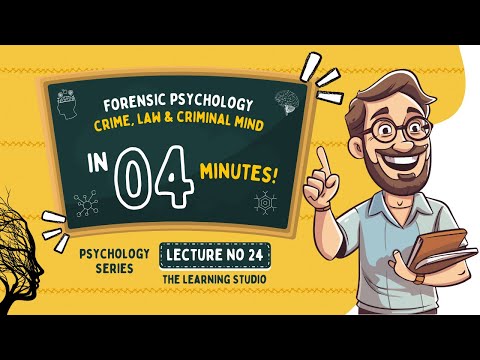
So, you know how crime shows always have those brilliant detectives? Well, there’s another crew behind the scenes making sense of the whole mess. That’s where forensic therapists come in.
These folks are like the bridge between psychology and law enforcement. They help figure out what’s going on in a criminal’s mind. Sounds intense, right? But it’s super fascinating too!
Imagine trying to understand why someone committed a crime and what was going through their head at that moment. It’s a wild mix of human behavior, emotions, and sometimes, a little bit of chaos.
In this piece, we’re gonna chat about what forensic therapists do and why they matter in the big picture of criminal psychology. You ready for this ride?
Understanding the Role of Forensic Psychologists in the Criminal Justice System
Forensic psychologists play a pretty big role in the criminal justice system. They’re like the bridge between psychology and law. Seriously, they help everyone from judges to lawyers understand what’s going on in a person’s mind when they get tangled up in legal stuff.
So, what do they actually do? Well, to break it down, here are some key functions of forensic psychologists:
- Evaluating Competency: They assess whether a defendant is mentally fit to stand trial. This means figuring out if someone understands the charges against them and can participate in their defense.
- Criminal Profiling: They help law enforcement by creating profiles of suspects based on psychological traits. This can lead to insights about motives and behaviors.
- Expert Testimony: In court, these psychologists often serve as expert witnesses. They explain their findings to the jury, making complex psychological concepts more understandable.
- Treatment of Offenders: Forensic psychologists may provide therapy for individuals involved in the criminal system, helping them address underlying issues that might have contributed to their behavior.
- Risk Assessment: They evaluate whether an individual poses a threat to themselves or others. This is crucial for decisions about parole or sentencing.
One time I was reading about a forensic psychologist who worked on a high-profile case involving a serial offender. They helped shed light on the psychological patterns behind the crimes, which not only assisted in capturing the suspect but also highlighted how mental health issues played into his actions. It was wild! You could see how understanding someone’s mind could directly impact justice.
But it’s not just about catching bad guys or giving testimony; there’s also an ethical side. Forensic psychologists have to navigate tricky waters because they need to remain objective while still being compassionate towards those they’re assessing or treating.
And yes, communication is key! They translate complex mental health jargon into terms that judges and juries can grasp easily. Like if someone has a personality disorder that influences their actions; explaining that clearly can change everything about how a case unfolds.
In short, forensic psychologists are really important in tying together psychology and law enforcement stuff. Their unique skill set helps ensure fair trials while also addressing crucial mental health issues within the criminal justice system.
Understanding the Four Key Roles of Forensic Psychologists in Legal Contexts
Forensic psychologists play some pretty crucial roles in the legal world. They blend psychology and law, kinda like a bridge between two very different fields. So, let’s break down the main roles they take on when they work in legal contexts.
The first role is that of an **assessor**. Forensic psychologists are often called in to evaluate individuals involved in legal cases. This could be assessing a defendant’s mental competency to stand trial or determining if someone was sane at the time of committing a crime. It’s kinda intense being the one who helps decide if a person understands what’s happening during their trial, right?
Next up, we have the role of a **consultant**. These psychologists provide expert opinions to laws firms or courts. They help lawyers navigate psychological issues that come up during trials. For example, if there’s a case dealing with eyewitness testimonies, a forensic psychologist might explain how stress and trauma can mess with someone’s memory. It’s not just about facts; it’s about understanding emotions and behaviors too.
Another important role is serving as an **expert witness** in courtrooms. When forensic psychologists testify, they share their evaluations and findings based on their assessments or research. This could be explaining why someone might have acted out of character due to a psychological condition or discussing risks associated with releasing an offender back into society. Their expertise can seriously influence the jury’s understanding of a case.
Lastly, forensic psychologists may also take on the role of **treatment providers** for offenders within legal settings. This could mean working with individuals who are incarcerated or part of court-ordered therapy programs. The goal here is rehabilitation rather than just punishment, which is super important for reducing recidivism rates—basically, helping people not go back to committing crimes once they’re out.
So there you have it! Forensic psychologists juggle these four key roles every day—assessing individuals, consulting for legal teams, testifying as experts in court, and providing treatment for those who need it most—all while keeping our justice system informed about the psychological aspects behind crime and behavior!
Understanding the Role of Forensic Therapists: Responsibilities and Impact in the Legal System
Forensic therapists really play an interesting and crucial part in the legal system. They’re kind of like a bridge between psychology and law, helping to understand the mental state of individuals involved in criminal cases. Let’s break down their responsibilities and how they impact the system.
Assessment of Individuals
One of the main jobs of forensic therapists is to assess individuals accused of crimes. This means they evaluate the person’s mental health, cognitive abilities, and emotional state. For example, let’s say someone committed a crime but claims they weren’t in their right mind at that time. A forensic therapist would step in to assess if this is true or not.
Providing Expert Testimony
They also give expert testimony in court. Imagine being a jury member listening to complex psychological concepts while trying to make sense of a case! Forensic therapists simplify those ideas for the jury, making it easier for them to understand how someone’s mental state might have influenced their actions.
Treatment Recommendations
Another big responsibility includes offering treatment recommendations for offenders who may need psychological help. It could be anything from therapy sessions to medication management! So if someone has a history of trauma that led them down a dark path, a forensic therapist can suggest ways for them to get better instead of just focusing on punishment.
Collaboration with Legal Professionals
Forensic therapists don’t work alone; they often collaborate with lawyers and law enforcement officers. They help lawyers build cases by providing insights into the psychological factors at play. Think about it: understanding why someone acted out can totally change how a case is presented!
- Crisis Intervention: Sometimes, they are called upon during crisis situations where immediate intervention is needed.
- Evaluating Competency: Assessing if someone is competent to stand trial is another critical role.
- Sparking Rehabilitation: They also contribute to rehabilitation programs aimed at reducing recidivism among offenders.
In essence, forensic therapists bring valuable insights into the legal process by highlighting human behavior through a psychological lens. Their role isn’t just about assessing guilt or innocence; instead, it’s about understanding people on a deeper level—helping everyone see that behind every crime, there are complex human experiences influencing those decisions.
Their impact goes beyond courtrooms; it shapes lives by steering individuals toward healing rather than mere punishment. So yeah, their work is really significant!
Forensic therapists play a pretty crucial role in the intersection of psychology and criminal justice. You know, when you think about it, their job balances on this fine line between helping people and working within the legal system. It’s not just about understanding what makes someone tick; it’s also about how those behaviors fit into society’s rules and laws.
Imagine a person who’s committed a crime but has deep-rooted psychological issues. A forensic therapist is often called in to assess that individual’s mental state, like figuring out if they were sane at the time of the offense. It’s kind of like being a psychological detective! They use interviews, psychological tests—and sometimes even just their gut instinct—to try to understand why someone acted out in a certain way.
I remember reading about a case where a therapist was asked to evaluate a man who had committed serious acts of violence but had a history of severe trauma. This therapist didn’t just focus on the crime; they dove into the guy’s past, exploring his childhood experiences and struggles with mental health. The findings helped paint a more nuanced picture that influenced sentencing decisions. It’s fascinating how one person’s story can shift perceptions and outcomes in such significant ways.
But it isn’t all roses; there are challenges too. Balancing empathy for the individual with an understanding of their impact on victims can be tough. Forensic therapists need to navigate those tricky waters while providing accurate reports to courts or law enforcement without letting personal feelings cloud their judgment.
Forensic therapy also plays a preventive role. By assessing risk factors or potential for reoffending, these professionals contribute to creating treatments or interventions that might help reduce future crimes—kind of like planting seeds for change before things spiral out of control.
So, yeah, forensic therapists are this unique blend of psychologist and legal consultant—helping society understand not just what happened, but why it happened in the first place. Their work reminds us that behind every headline is a complex human story that deserves attention and care, which is pretty powerful when you think about it.