So, you’ve heard of Freud, right? The guy with the wild theories about dreams and, um, all the stuff that makes us tick? Well, he kinda shook things up in psychology like a snow globe.
Seriously, his ideas were all over the place—and honestly, some still make people scratch their heads. But here’s the deal: Freud set the stage for so much of what we explore in psychology today.
You can’t really talk about mental health or human behavior without bumping into his concepts. You know what I mean? It’s like trying to have a pizza party without mentioning cheese!
So, let’s dig into how this one dude’s theories shaped a whole field. It’s a bit of a mind trip, but trust me—it’s worth it!
The Impact of Freud’s Psychoanalytic Theory on the Evolution of Modern Psychology
Freud’s psychoanalytic theory was like a wild ride for psychology back in the day. The guy really shook things up! His ideas about the unconscious mind, dreams, and childhood experiences paved the way for how we understand human behavior today.
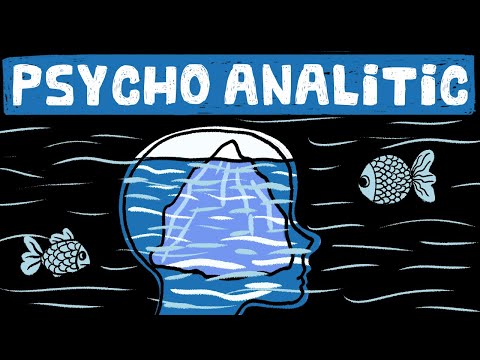
First off, Freud introduced the concept of the unconscious. He believed that many of our thoughts and feelings are hidden from us, residing in this mysterious part of our minds. Think of it as an iceberg; most of it is underwater while only a tiny bit is visible above the surface. This idea made people realize that there’s more to our actions than meets the eye.
Another big deal was his emphasis on childhood experiences. Freud suggested that early life events play a huge role in shaping who we are as adults. A lot of modern therapies still consider your childhood when digging into current issues. It’s like, if you’ve got a fear of commitment now, they might explore your early relationships with caregivers to see what’s up.
Freud also delved deep into dream analysis. He thought dreams were a window to our unconscious thoughts and desires. While many psychologists today might not take dream interpretation as seriously, it made people start thinking about how symbolism and narratives can influence us.
Then there’s his idea of defense mechanisms. These are psychological strategies we use unconsciously to protect ourselves from anxiety or guilt. Common ones include denial and repression. Recognizing these mechanisms can help people understand their behaviors better—you know? Like realizing you’re avoiding conflict because you’re scared of confrontation.
Freud’s work also opened doors to talk therapy, which became foundational for later psychological practices. By talking about your feelings and experiences, you might discover stuff about yourself that you didn’t even know was there! This approach has evolved but remains central in various therapy settings today.
But hey, despite all this influence, Freud wasn’t without critics. Some think his theories were too focused on sexuality or lacked scientific backing. Modern psychology has expanded significantly since then; researchers now look at factors like biology and culture as well.
In short, Freud laid down some serious groundwork for modern psychology with his focus on the unconscious mind, childhood experiences, dreaming, defense mechanisms, and talk therapy. His ideas ignited critical discussions that have shaped psychological practices up to today! So next time you think about why you react a certain way or how your past influences your present choices, remember Freud’s lasting impact on understanding human behavior!
Exploring the Core Principles of Freud’s Psychoanalysis: A Comprehensive Overview
Freud’s psychoanalysis is like that old, worn-down book you find in your grandparent’s attic—full of unique ideas and some dusty concepts but still holding a treasure trove of insights into human behavior. So, let’s dig into the core principles that he introduced!
1. The Unconscious Mind
Freud believed most of our thoughts and feelings are hidden away in the unconscious mind. Imagine you’re at a party, and you suddenly feel anxious without knowing why. That’s your unconscious nudging you! It could be past experiences or repressed memories influencing you, like when an old song brings back memories you’d rather forget.
2. Defense Mechanisms
This one’s interesting! Freud thought we all have little mental tricks to protect ourselves from anxiety or unwanted feelings. For example, when someone avoids a conversation about their problems and distracts themselves with work instead—that’s called *avoidance*. It’s like putting a Band-Aid on a wound instead of actually treating it.
3. The Structure of Personality
According to Freud, our personality has three parts: the *id*, *ego*, and *superego*. The id is all about immediate pleasure—think of a toddler wanting candy right now! The superego represents our moral compass; it’s like your conscience telling you to share that candy instead. And the ego? Well, it tries to balance these two, figuring out how to get what you want without causing chaos.
4. Childhood Experiences Matter
Freud famously said that childhood shapes who we become as adults. If something went wrong during early development—like feeling neglected—those feelings might resurface later as adult issues, like difficulties in relationships. Picture that kid who never got enough attention at home; they might struggle with intimacy when they grow up.
5. Dreams Have Meanings
Freud viewed dreams as «the royal road to the unconscious.» Basically, he thought dreams were full of hidden meanings! When you dream about flying or falling, it could symbolize personal freedom or fears in real life. It’s kinda cool how your mind works while you’re asleep!
In sum, Freud laid down some foundational ideas for psychology that are still discussed today—even if some folks debate them fiercely! His insights into the hidden corners of our minds help explain why we act the way we do sometimes.
So yeah, whether you think Freud nailed it or was just reaching for something deeper in human nature, there’s no denying his influence on psychology is profound and lasts well beyond his time!
Exploring Freud’s Original Contributions to the Foundations of Psychology
Freud’s influence on psychology is massive, and it’s kinda hard to ignore. Seriously, the guy shook things up when he introduced his theories. Let’s break down some of his original contributions that laid the groundwork for modern psychology.
First off, Freud introduced the concept of the **unconscious mind**. He argued that a lot of our thoughts and feelings are buried deep beneath our conscious awareness. This idea really flipped the script on how we think about human behavior. You might be acting a certain way without even realizing it’s linked to some past experiences or repressed feelings. Think back to that awkward moment you had in front of your crush—maybe it connected to earlier rejection, you know?
Then there’s his theory of **psychosexual development**. Freud believed we pass through different stages as we grow up—oral, anal, phallic, latency, and genital stages. Each stage focuses on different pleasures and conflicts. For instance, if something goes wrong during one of these stages (like being overly strict during potty training), it could lead to personality issues later in life—stuff like obsessive behaviors or other quirks.
Another big idea is **defense mechanisms**. Freud suggested we use these psychological strategies to cope with anxiety and protect ourselves from distressing thoughts. For example, someone might use **denial**—like pretending everything’s fine while struggling inside or **projection**, where they attribute their own unacceptable feelings onto someone else. Have you ever blamed your friend for being rude when maybe it was really your own mood swinging? That’s what he meant!
Freud also emphasized the importance of early childhood experiences in shaping our adult behavior and personality. This notion pushed psychologists to look at not just what people do but why they do it based on their upbringing.
And let’s not forget about **dream analysis**! Freud believed dreams offer a glimpse into our unconscious desires and fears—a way for us to tap into thoughts we’re not even aware of while awake. Ever had a bizarre dream that stayed with you all day? Freud would say it’s telling you something important about yourself.
Moreover, he coined terms like **Oedipus complex**, where kids develop feelings for the opposite-sex parent while feeling rivalry toward the same-sex parent—a pretty intense concept! His ideas have sparked debates for decades but also opened doors for exploring family dynamics in therapy.
In sum, Freud’s contributions were no small potatoes! His theories paved the way for many areas in psychology today—from clinical practices to understanding human relationships better. Whether you buy into all his ideas or not is another story; what matters is that he challenged us to look deeper into ourselves than ever before. His legacy lives on, shaping how we understand human behavior today!
You know, when you think about psychology, it’s hard to ignore Freud. He kind of laid down the foundation for a lot of what we talk about today. Honestly, I remember sitting in a psychology class and feeling like my mind was blowing up with all these new ways to think about people. One minute we were diving into dreams, the next we were talking about repressed memories. It was pretty wild!
Freud’s ideas can be a bit controversial; some folks view him as a genius while others roll their eyes at his theories. Seriously though, he introduced concepts like the unconscious mind and defense mechanisms that still resonate with us today. It’s almost like he opened a door to understanding why people act the way they do—even if some of his methods seem outdated now.
And let’s talk about that whole idea of the id, ego, and superego. I mean, picture this: you’re at a party trying to decide whether to stick with your friends or make small talk with that person you’ve been crushing on forever. Your id is like “Just go for it!” The superego is whispering that you should follow social norms and wait your turn. Meanwhile, the ego tries to balance both sides out—like a little referee in your head! It’s such a relatable struggle.
But here’s where it gets deeper: Freud’s influence reached beyond just therapy sessions. His thoughts on sexuality sparked conversations that made waves in society—think about how people began exploring their own identities or questioning traditional norms. That’s huge!
Sometimes I find myself reflecting on how his ideas shaped literature and art too. Many writers and artists have drawn inspiration from Freudian concepts—it feels like this ripple effect through culture that still exists today.
In the end, even if you don’t subscribe to everything he proposed, there’s no denying that Freud got us asking questions about ourselves we might not have thought to explore otherwise. And honestly? That curiosity is what keeps psychology so alive and relevant!