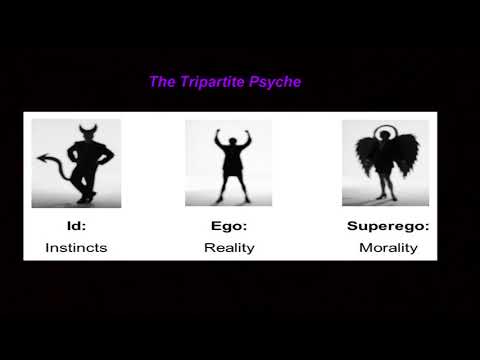
You know, when you hear the name Freud, what comes to mind? Maybe it’s the idea of dreams being influential or a couch where people spill their guts.
Well, Freud’s ideas have shaped so much of how we think about psychology today. Seriously, his influence is everywhere—from therapy sessions to pop culture references.
A lot of people still debate his theories. Some love ‘em; others? Not so much. But you can’t deny he kicked off a wild ride in understanding our minds.
Think about it: wouldn’t it be cool to explore how his concepts are woven into modern practices? Let’s take a stroll through that fascinating landscape together!
Exploring Freud’s Enduring Impact on Modern Psychological Practices and Theories
Freud’s name pops up a lot when you step into any conversation about psychology. You see, he was the one who kind of kicked things off in a way. His ideas laid down the groundwork for how we think about the mind today. So let’s dig into how Freud’s impact is still felt in modern psychological practices and theories.
First off, Freud introduced the concept of the unconscious mind. This idea suggests that not everything we do is under our conscious control. Think about it: sometimes you might react to something without even realizing why. That’s your unconscious at work! Today, therapists often explore these hidden thoughts and feelings to help clients understand their behaviors better.
Another biggie from Freud is defense mechanisms. He said that when we face stress or anxiety, our minds kick in with certain strategies to protect us. For example, if you’re feeling overwhelmed, you might start to blame others instead of looking at your own faults—that’s called projection! Modern psychologists still refer to these defense mechanisms to help people navigate their emotional responses.
Freud also highlighted the importance of early childhood experiences. He believed that our early years play a crucial role in shaping who we are as adults. If you had a rocky childhood, it might affect your relationships later on. Today’s therapists often take this into account during therapy sessions, helping people connect past experiences with present behaviors.
Now let’s talk about the talking cure, or what we call **psychoanalysis**. Freud believed that simply talking about your problems could lead to insights and healing. This idea is still super relevant; many therapies today use talk as a tool for understanding and processing emotions. Whether it’s CBT or humanistic approaches, communication remains key!
The idea of dream analysis can’t be left out either. Freud thought dreams were windows into our unconscious desires and fears. While modern psychology doesn’t always focus on dream interpretation like he did, understanding what goes on in our dreams can still provide intriguing insights into the mind.
But it’s not all sunshine and rainbows with Freud—many of his ideas have been critiqued over time. For instance, some say he focused too much on sexuality and didn’t account for other influences like culture or social factors. Yet despite criticism, his influence remains undeniable; many concepts have evolved but are deeply rooted in his original thoughts.
Now some psychologies have shifted away from strict Freudian norms but still hold onto his idea that there’s more than meets the eye with our feelings and actions—you follow me? Even practices like cognitive psychology build on these outdated ideas by integrating them with more current research.
In summary, while some aspects of Freud’s theories may seem outdated or controversial today, it’s clear that his work set the stage for countless discussions surrounding mental health and human behavior still happening today! His concepts continue to inform not only therapy practices but also research avenues within psychology itself—it’s like his shadow lingers over the field no matter where it goes!
Exploring Freud’s Key Contributions to Modern Developmental Perspectives
Freud is like that bright yet controversial figure in psychology, you know? His ideas have shaped how we think about development and our minds, even today. So, let’s talk about some of his key contributions that still resonate in modern developmental perspectives.
First off, Freud introduced the concept of the unconscious mind. This idea suggests that much of what drives our behavior is hidden beneath the surface. Think of it as an iceberg; most of it is underwater. For instance, when someone experiences anxiety without knowing exactly why, Freud would say it might be rooted in unconscious thoughts or memories.
Then there’s his theory on psychosexual development. Freud proposed that children pass through five stages—oral, anal, phallic, latency, and genital. Each stage focuses on different erogenous zones and challenges. If a child struggles at a particular stage, it might lead to specific personality traits later in life. Like if someone gets fixated during the oral stage, they might develop habits like smoking or overeating as adults.
Another major contribution is the idea of defense mechanisms. These are mental strategies we use to cope with anxiety and stress. For instance:
- Repression: Pushing painful memories out of conscious thought.
- Projection: Attributing our own unwanted feelings to others.
- Displacement: Redirecting emotions from a threatening target to a safer one.
Understanding these mechanisms helps us see how people handle conflict and emotional distress.
Now let’s touch on Freud’s emphasis on early childhood experience. He believed that experiences during this time shape who we become as adults. For example, a nurturing environment can lead to well-adjusted adults while traumatic experiences can result in deeper psychological issues later on.
Then there’s his focus on the parent-child relationship. Freud emphasized how critical these early interactions are for emotional development. He suggested that conflicts with parents can create lasting psychological patterns. This insight still holds weight in modern therapy practices where family dynamics are examined closely.
Even though some folks criticize Freud for being too focused on sex or lacking empirical evidence, you can’t deny his influence. Many developmental psychologists still reference his work when exploring human behavior and motivations.
In essence, exploring Freud’s contributions reveals a lot about how we’ve built upon his ideas over time. His theories may not always align perfectly with contemporary views; however, they provide a foundational framework that continues to guide discussions around human development today. So yeah, while he might be seen as an old-school guy now, Freud’s impact still echoes through the halls of modern psychology!
The Enduring Relevance of Sigmund Freud: Exploring His Impact on Modern Thought
Sigmund Freud is one of those names that just keeps popping up, right? You might have encountered him in psychology classes, or even in pop culture references. The guy was a trailblazer when it came to understanding the human mind. He may have lived over a century ago, but his ideas are still very much alive today.
Freud’s biggest contribution was probably the concept of the unconscious mind. Imagine all those thoughts and feelings you’re not aware of but still affect your behavior—yeah, he basically opened up that Pandora’s box! He suggested that our unconscious can influence our decisions, dreams, and even slips of the tongue. So when you accidentally call your boss “Mom,” Freud would say that’s a peek into your unconscious desires or anxieties.
And let’s talk about defense mechanisms. You know how sometimes you just dodge confrontations? Freud introduced this idea to explain why we do that. He said we use these mental processes to shield ourselves from anxiety. For example, if you’re feeling stressed about work, you might engage in rationalization—like telling yourself you didn’t want that promotion anyway! This makes navigating emotional bumps in life a bit easier.
Another key part of Freud’s legacy is his psychosexual stages of development. These stages suggest that our early childhood experiences shape who we are as adults. Picture a kid having trouble potty training—Freud thought that could lead to some quirks later on, like being overly neat or messy as an adult. While some people argue he’s off base with this one, it kicked off tons of conversations about how childhood shapes us.
Now onto something more practical: Freud’s theories laid the groundwork for many forms of counseling and therapy today. We see elements like exploring past experiences and subconscious issues in therapies inspired by him. Even if modern therapies don’t stick strictly to his methods, they often draw from his ideas about talk therapy and self-exploration.
But here’s where it gets interesting: Freud also sparked debates about gender and sexuality with concepts like the Oedipus complex. His view on familial relationships was pretty revolutionary at the time but has also faced lots of criticism. Still, it got people talking and thinking critically about society’s views on relationships—an impact that’s undeniable.
In modern times, while some people might think Freud is outdated or overly focused on sexual motives, others believe he still has a place in understanding human behavior. His thoughts opened doors for new schools of thought like psychoanalysis and depth psychology. This means even if you’re not sitting on a couch talking about your dreams anymore (who does that anyway?), his influence is woven through many contemporary ideas in psychology.
Lastly, Freud’s impact extends beyond psychology into literature and art too! Writers and artists have played with his ideas about dreams and the unconscious for ages now. Think about surrealism—it totally leans into Freudian concepts by blending dreams with reality.
So yeah, whether you’re pro-Freud or think he had some wild theories (which he did!), there’s no denying he made waves in how we view human thought and behavior today.
His work has shaped countless discussions around mental health—even if we don’t always agree with him anymore!
Freud, right? This guy has left such a huge mark on psychology, even if not everyone agrees with all his theories. When you think about it, he basically opened the door to understanding the human mind in ways people hadn’t really considered before. I mean, can you imagine a time when folks didn’t talk about dreams or the unconscious? It’s wild!
Now, don’t get me wrong; some of his ideas are pretty out there. Like, who really thinks every little thing we do is tied back to our childhood? But still, he got us talking about stuff like defense mechanisms and the id, ego, and super-ego. Those concepts are like staples in psychology courses today.
I remember chatting with a friend of mine who was having a tough time after a breakup. She kept mentioning how she thought her past experiences were affecting her current relationship choices. That’s classic Freud! Even if people might not be quoting him directly or believing every word he said, that idea of looking at our past to understand our present is everywhere.
And let’s not forget about psychoanalysis. It’s not just about lying on a couch spilling your guts anymore – although that can still happen! Therapists today have taken some of those core teachings and adapted them into modern practices. Talk therapy has evolved in so many ways since Freud’s days, but those early ideas help shape how we think about mental health now.
So yeah, Freud may seem outdated on some fronts—like his views on women or his heavy focus on sexuality—but his influence really kicked off this whole journey into understanding ourselves better. Even if we’re critiquing him or refining his ideas today, you can’t deny that without him, modern psychology might look totally different!