So, you know Freud, right? The guy with the wild theories about dreams and all that?
Well, he’s more than just an iconic mustache. Seriously, his ideas have shaped a ton of modern psychology.
But here’s the twist: not everyone’s a fan of his work. Some folks think he was onto something, while others say he was just way off base.
Still, you can’t deny that his influence is everywhere. From therapy couches to how we understand behavior, his shadow looms large.
Ever wondered what it all means for us today? Let’s dig into that!
Exploring Freud’s Lasting Impact on Modern Psychology: Key Theories and Innovations
Freud’s influence on psychology is like an old friend who just won’t go away. You know that feeling? His ideas have stuck around for over a century and continue to shape how we think about the human mind. It’s wild to consider just how much of a mark he left on the field.
First up, let’s talk about the unconscious mind. Freud introduced this concept and suggested that a large part of our behavior is driven by thoughts and feelings outside our awareness. Think of it like an iceberg; most of it is hidden beneath the surface while only a small part is visible. This idea opened doors to therapies that address deep-seated issues people might not even realize they have.
Another biggie in Freud’s legacy is defense mechanisms. Ever find yourself rationalizing why you didn’t get that promotion? You’re not alone! Freud identified various ways people protect themselves from anxiety, like denial or projection. These defense mechanisms help us cope with uncomfortable thoughts and emotions, making them super relevant today.
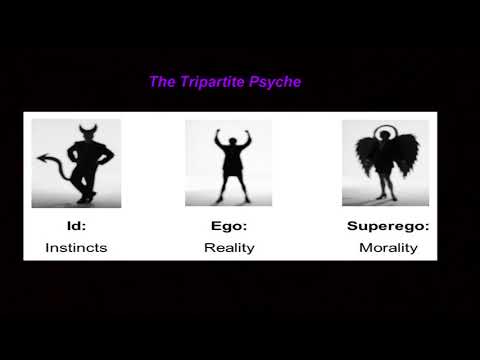
Then there’s the structure of personality, which he split into three parts: the id, ego, and superego. It’s like having three voices in your head—one focused on instant gratification (id), another trying to keep you grounded in reality (ego), and a third worrying about morals (superego). This model helps us understand internal conflicts when making decisions.
Freud didn’t stop there; he also brought in the concept of psychosexual stages. These stages suggest that our early experiences shape our adult personalities. For instance, if things went sideways during potty training (the anal stage), it could lead to being overly organized or messy as an adult. This idea might raise eyebrows now, but it got folks thinking about how childhood experiences influence who we are as adults.
And let’s not forget about Psychoanalysis, his groundbreaking therapeutic approach. People laid on couches for years talking about their dreams and feelings, exploring their inner worlds. While this method has evolved over time, many modern therapies still draw from psychoanalytic principles, showing Freud’s footprints are everywhere!
Dream analysis also came from Freud’s work. He believed dreams were windows into our unconscious desires—like our minds throwing a wild party while we sleep! Today, while some psychologists may not fully agree with all his thoughts on dreaming, they still recognize that exploring what we dream can reveal underlying emotions.
Lastly, it’s worth mentioning Freud’s impact on popular culture. His ideas seeped into literature, film, and art—shaping how we talk about mental health even outside academic circles. Phrases like «Freudian slip» are tossed around casually now when someone inadvertently says something revealing or inappropriate.
So there you have it! Freudian concepts are still alive and kicking in psychological thought today. From recognizing the unconscious mind to chatty defense mechanisms and beyond, his theories lay the groundwork for understanding ourselves more deeply—even if some of them feel a bit outdated now! It’s fascinating how someone who lived so long ago continues to be relevant today—like an old sage whispering insights across generations!
Exploring Freud’s Key Contributions to Modern Developmental Psychology
Freud’s influence on modern psychology is, like, everywhere. His ideas about how we develop as humans still shape a lot of the theories and practices today. So, let’s break down some of his key contributions to developmental psychology.
1. The Unconscious Mind
Freud introduced us to the concept of the unconscious mind. He believed that our thoughts, feelings, and behaviors can be influenced by things we aren’t even aware of. You might say something without thinking much about it, but it could reveal deeper feelings or conflicts lurking beneath the surface. This idea opened doors for understanding how unresolved issues from our past can shape who we are.
2. Psychosexual Development
Freud proposed a theory called psychosexual development, which is all about how different stages in childhood influence our personality and behavior later in life. Think about it: if you had a difficult experience during potty training (the anal stage), it might lead you to be either super organized or more laid-back as an adult. Each stage—oral, anal, phallic, latency, and genital—comes with its own set of challenges and tasks to navigate.
3. Defense Mechanisms
Defense mechanisms are like tricks our mind plays to protect us from anxiety or uncomfortable feelings. Freud identified several of these strategies—like repression (pushing thoughts out of your mind) or projection (attributing your own issues onto someone else). Recognizing these can help us understand why we react the way we do in certain situations.
4. The Importance of Childhood Experiences
Freud famously said that “childhood is a key time in development.” He emphasized that early experiences play a huge role in shaping adult behavior and relationships. If you think back to your childhood—or maybe even your friend’s stories—you can often see how those first years impact adult personality traits.
5. The Id, Ego, and Superego
This trio is fundamental to understanding human psychology according to Freud.
- The Id: Think of it as the wild child—it wants what it wants when it wants it.
- The Ego: This acts like the mediator; it tries to balance the desires of the id with reality.
- The Superego: This one’s like your conscience; it’s all about morals and societal rules.
These three parts work together—or sometimes against each other—to guide behavior throughout life.
So yeah, while some folks argue that not everything Freud proposed has stood the test of time (and they’ve got good points), his contributions set up a lot of foundational ideas for modern developmental psychology. His focus on internal processes and early experiences remains relevant today in understanding human behavior!
Exploring Freud’s Enduring Legacy: Key Contributions to Modern Psychotherapy
Freud’s influence on modern psychotherapy is like a shadow lurking in the background of many therapeutic practices today. His ideas might seem old-fashioned, but they still echo in the way we think about the mind and behavior. Let’s break down some of his key contributions, shall we?
1. The Unconscious Mind
Freud introduced the concept that a huge part of our thoughts and feelings operates below the surface—like an iceberg. You know how sometimes you react to something really strongly, but you can’t quite figure out why? That’s your unconscious at work! He believed that unresolved conflicts and repressed memories hang out there and can shape our actions.
2. Defense Mechanisms
Ever noticed how we all have ways of coping with stress or anxiety? Freud categorized these as defense mechanisms. For example, you might use denial if you’re avoiding reality or projection if you attribute your own unwanted feelings onto someone else. Recognizing these can help you understand why you act a certain way!
3. The Structure of Personality
Freud proposed that our personality is made up of three parts: the id (our primal urges), the ego (the rational part), and the superego (our moral compass). Think of them like characters in a play constantly vying for attention in your head! This framework helps us make sense of internal conflicts.
4. Childhood Experiences Matter
He put a big emphasis on childhood experiences and their impact on adult life. You probably know someone who struggles with relationships because their parents were super critical growing up. Freud believed those early years are foundational for later behavior and emotional patterns.
5. Use of Talk Therapy
Freud’s method of ‘talking it out’ was revolutionary at his time! He created psychoanalysis, where patients would speak freely about their thoughts, which worked as a kind of emotional release—like blowing off steam after a tough day. Today’s therapy practices still rely heavily on this conversational approach.
6. The Importance of Dreams
Freud thought dreams were windows into our unconscious desires and fears—kind of like your brain throwing up all its unprocessed feelings while you sleep! Analyzing dreams was one way he tried to unlock those hidden parts of us, something still looked at in therapy today.
In essence, while some people might roll their eyes at Freud’s ideas now, his contributions set the stage for understanding human behavior in ways that are still relevant today. You could say he was sort of like that quirky uncle who shows up to holidays with wild stories; sometimes annoying but always offers some food for thought!
So, let’s talk about Freud for a sec. You know, the guy with the mustache who was all about dreams, unconscious minds, and those rather interesting theories about human behavior. He’s like that one relative at a family gathering who shows up and starts deep conversations that you didn’t even know you needed.
Freud really shook things up back in the day. Before him, psychology was pretty much just a bunch of folks trying to figure out how the brain works without any real structure. But then he came along and said, «Hold on! There’s more to this than meets the eye.» Suddenly everyone started thinking about repressed thoughts and childhood experiences as key to understanding why people do what they do.
I mean, think about it: when you hear someone say they have a “Freudian slip,” it’s hard not to chuckle. Like when you accidentally call your new partner by your ex’s name. Freud would have a field day with that one! It’s this idea that our slips of the tongue reveal those hidden desires we didn’t even realize we had.
But it’s not just his theories on dreams or his fixation on sexuality that left marks on modern psychology. He introduced concepts like transference—where feelings from one relationship get projected onto another—which still pops up in therapy today. Seriously, how many times have you found yourself reacting to someone because they remind you of your high school teacher? Freud’s got your back there!
Of course, he wasn’t perfect; he had some ideas that were pretty out there or even outdated now. Lots of folks think he overemphasized sexual stuff—you know how it is with those Victorian-era ideas—but still, his emphasis on the unconscious mind opened doors for so many other thinkers after him.
Let’s be real: even if you don’t buy into everything Freud proposed, his influence is undeniable. If nothing else, he made us think differently about ourselves and each other. He encouraged people to explore their inner worlds instead of just brushing stuff under the rug.
So yeah, Freud might not have been the end-all-be-all of psychology—he was more like the quirky uncle who brings perspective—but he definitely laid down some serious groundwork for how we approach mental health today. Just remember: it’s all about balance!