You know that feeling when everything seems fine on the surface, but inside, it’s like a storm is brewing? Yeah, that’s functional depression for you.
It’s sneaky. You wake up, put on a smile, go about your day like everything’s peachy. But deep down, you’re battling those heavy thoughts and emotions.
I mean, we all have moments where we feel off, right? But what if you felt like that day in and day out while still managing to keep your life together?
That’s the reality for so many people. You can be holding it all together—working hard, being there for others—while feeling like you’re drowning inside. So let’s chat about this. Because understanding it might just help someone feel less alone in their struggle.
Understanding High Functioning Depression: Essential Test and Assessment Guide
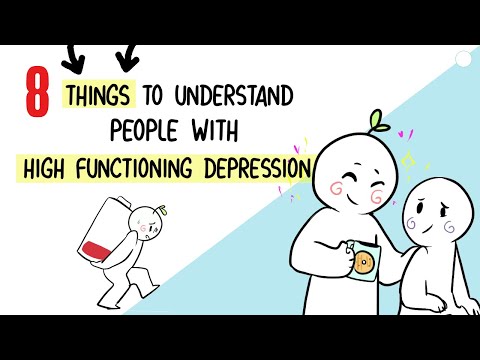
High functioning depression, sometimes called functional depression, is kind of a sneaky thing. You might look totally fine on the outside, but inside, you’re struggling. It’s like going through life wearing a mask that hides how you truly feel. You know what I mean?
A lot of people don’t realize they’re facing high functioning depression because they still manage to do their daily tasks. They go to work, hang out with friends, and even smile. But underneath that cheerful facade is a heaviness that can be pretty hard to shake off.
Key Signs and Symptoms
Recognizing high functioning depression can be tricky since it often flies under the radar. Here are some common signs:
Imagine waking up every day feeling like you’re dragging yourself out of bed. You put on your best smile for the world and handle all your responsibilities, yet at the end of the day, you’re just empty inside.
Testing and Assessment
So how do you figure out if what you’re feeling is high functioning depression? There are several assessments available that can help:
– **Beck Depression Inventory (BDI)**: This self-report questionnaire helps gauge your level of depression based on how you’ve felt over the past two weeks.
– **Patient Health Questionnaire (PHQ-9)**: This tool is used by healthcare providers to assess symptoms related to depression.
– **Hamilton Depression Rating Scale (HDRS)**: While primarily for clinicians, it’s another way to evaluate severity in depressive symptoms.
Taking these assessments can give you a clearer picture of where you stand emotionally. Sometimes just seeing it in writing can be a wake-up call!
The Next Steps
If you’re suspecting that high functioning depression might be part of your story, consider reaching out for support. Talk to someone you trust about what you’re going through—someone who won’t just brush it off with a “you’ll feel better soon.” Seriously!
And remember, even if you’re managing your daily life well, it’s perfectly okay to ask for help! That doesn’t make you weak; it shows strength and self-awareness.
Sometimes we forget that we all have struggles behind our smiles—though it’s easy to think everyone else has it figured out while we’re just trying to keep our heads above water. You’re definitely not alone in this!
Understanding High-Functioning Depression Symptoms: Key Signs and Insights
High-functioning depression is one of those tricky things, you know? On the outside, a person can look totally fine—maybe even happier than ever—but on the inside, they’re fighting a real battle. It’s like putting on a mask every day, while inside, emotions are swirling around like a storm. So, let’s break down some key signs and insights about high-functioning depression.
Feeling Low Without Obvious Signs
Even when everything seems to be going well in life—a good job, friends, or family—someone with high-functioning depression might feel an unshakeable sense of sadness. It’s not like they’re moping around all day; they just feel off. Think of it as having a cloud hanging over your head that no one can see.
Excessive Self-Criticism
This is huge. People often critique themselves harshly when dealing with this type of depression. They might think they’re never good enough. Can you imagine working really hard on something and still feeling like it’s not enough? That constant comparison can eat away at your happiness.
- Fatigue and Low Energy: It’s not just being tired; it’s feeling drained all the time. Even simple tasks can feel like climbing a mountain.
- Apathy: Enjoyment in activities you once loved? Gone. It’s like the things that used to spark joy have been muted.
- Difficulty Concentrating: Focusing at work or school becomes harder than ever. Your mind feels foggy and distracted all the time.
Pushing Through Despite Struggles
This is where it gets wild—people with high-functioning depression often keep pushing through their routines. They go to work, take care of their families, and keep up appearances as if everything is peachy! But all this effort can be exhausting.
The Need for Validation
They might seek validation from others to convince themselves that they are doing okay. A compliment can provide temporary relief but doesn’t truly fix anything deep down.
The Isolation Dilemma
You know how sometimes it feels easier to hide what you’re going through? That’s common here too! People may isolate themselves because they think others won’t understand or believe them when they say they’re struggling despite appearing fine.
- Dramatic Mood Swings: One minute you’re smiling; the next minute you’re overwhelmed with sadness—totally confusing for both you and those around you!
- Anxiety: Anxiety often tags along for the ride, making everything feel even more challenging.
If you’re reading this and thinking it sounds familiar—hey, you’re not alone! A lot of people mask their feelings to keep things running smoothly in their lives while battling inner turmoil. Just remember: reaching out for support or even talking about what you’re feeling can make a world of difference! High-functioning depression may seem invisible but recognizing those signs is key in understanding what someone might be wrestling with beneath that smile.
Understanding High Functioning Depression: Insights from Reddit Discussions
High functioning depression, often referred to as functional depression, can be a tricky subject. It’s not like the classic image of someone sitting in a dark room, right? Instead, you might see a person smiling at work or social events, making it a bit harder to spot. Let’s dive into what people on Reddit are saying about this experience.
First off, many folks describe their daily struggles as feeling like they’re wearing a mask. You know that feeling when you’re at a party and you just force yourself to keep smiling, even if inside you’re not really feeling it? That’s what high functioning depression can look like. People go through the motions but feel emotionally exhausted underneath it all.
It’s exhausting, seriously! Imagine waking up every day and putting on your best face while battling feelings of sadness or hopelessness. Users often mention how they can perform well at their jobs or manage relationships but go home feeling empty. It’s almost like being a talented actor in a play but never getting to speak your truth.
Reddit users also talk about the importance of having an outlet for these hidden feelings. Whether it’s writing in a diary or discussing thoughts with close friends, it helps to express those emotions instead of bottling them up. One person shared how journaling nightly allowed them to reflect on their feelings and gradually uncover what was really bothering them.
Some key points from various discussions include:
- Overwhelming fatigue: It’s not just physical tiredness; mental drain plays a huge role too.
- Perfectionism: Many high-functioning individuals feel pressure to excel, leading to more stress.
- Isolation: Feeling misunderstood can make people pull away from others.
- A constant cycle: Treading water feels normal until something triggers deeper emotions.
A savvy commenter pointed out that this type of depression often goes unnoticed. Friends might think everything is fine since the person appears so «normal» — or even thriving! But inside, they could be struggling hard with thoughts that don’t align with their outward behavior.
Another aspect discussed is the stigma around mental health issues, especially when you look “fine” on the outside. This stigma prevents many from seeking help because they believe they shouldn’t have these feelings if they’re doing okay otherwise. A user once mentioned feeling guilty for being sad when “things could be worse,” highlighting this internal conflict many face.
It’s essential to realize that recognizing high functioning depression is just the first step toward understanding itself—it doesn’t always lead someone to seek help right away. But those who find community support through forums like Reddit often find comfort knowing they aren’t alone.
At the end of the day, while functional depression may disguise itself well in everyday life, knowing it exists allows you (or someone you care about) to reach out for help when needed—even if it means tearing down that mask for just a moment. Because let’s face it: everyone deserves moments where they can truly be themselves without any pretense!
Functional depression is one of those sneaky things, you know? Like, on the outside, everything seems fine. You put on that smile and can even keep up with life’s demands—work, family, friends—but inside? It’s a whole different story.
I remember a friend of mine, Sam. Always the life of the party, cracking jokes and making plans. But one day over coffee, he dropped this bomb: “I feel like I’m just going through the motions.” Just seeing him laugh made it hard to believe he felt that way. Yet, that was his reality. The weight of sadness lingered beneath his cheerful facade like a heavy cloud nobody else could see.
So what’s going on with functional depression? Well, it’s kind of like wearing a mask that looks all good and polished but hides so much more underneath. People might not recognize it because they’re too focused on how well you seem to be doing. You know? Like when someone looks happy and successful but they’re secretly battling feelings of emptiness or fatigue.
With functional depression, you might be able to get out of bed and go to work or socialize—sometimes even better than others—yet your emotional energy is totally drained by the end of the day. And while folks are cheering you on from a distance thinking you’re thriving and living your best life, you’re grappling with inner turmoil that feels relentless.
It takes a toll too! That constant effort to keep up appearances can lead to increased anxiety or feelings of isolation because you’re stuck in this cycle where asking for help feels impossible. Plus, there’s often this nagging fear of being misunderstood or judged if you reveal what’s really going on behind closed doors.
So how do people cope? Often they develop their own little strategies—finding solace in hobbies or talking about their issues only once in a while with someone they really trust. Sometimes just admitting it out loud can be oddly freeing, even if it doesn’t fix everything right away.
At the end of the day, understanding functional depression means recognizing that sometimes people who seem entirely fine may be carrying heavy burdens no one sees. It teaches us to look beyond appearances and approach each other with compassion because we never truly know what struggles lie behind that smile.