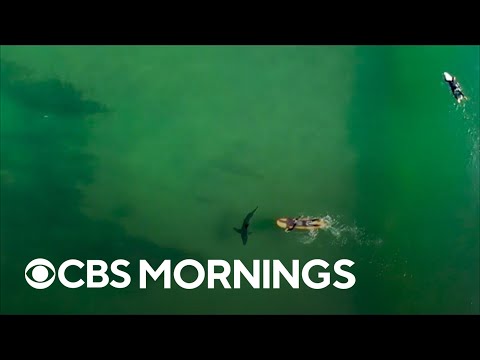
You know that feeling when you’re at the beach, splashing around, having a great time, and then someone mentions sharks? Ugh! The mood can totally shift in an instant.
It’s wild how a creature that seems so far away from our everyday lives can strike pure terror in so many of us. But, like, what’s behind that fear? Is it just about the animal itself or something more?
This whole shark phobia thing is actually tied into cool psychological stuff. Let’s unpack it. Dive into the whys and hows of this fear and maybe even see if we can make sense of it all together.
Overcoming Shark Phobia: Effective Strategies and Supportive Resources
So, let’s talk about shark phobia, technically known as selachophobia. It’s that deep-seated fear of sharks that, for some folks, can feel pretty overwhelming. Imagine standing at the beach, ready to dive into the waves, but your mind is racing with images of those sleek predators lurking beneath the surface. Sounds intense, huh?
The thing is, many people have a fear of sharks for various reasons. Maybe they’ve seen a scary movie or heard a gripping tale from a friend about a shark attack. But here’s the kicker: statistically speaking, your chances of being bitten by a shark are incredibly low! Like really low. More people get injured by falling coconuts than from sharks!
If you’re looking to tackle this fear head-on, there are some effective strategies that can help.
- Education: Learning about sharks can be super helpful. The more you understand them—like their behavior and habitats—the less scary they seem. Knowledge is power! You might even find out how crucial they are for ocean health.
- Gradual Exposure: This sounds fancy but it really just means slowly getting used to what scares you. Start with pictures or documentaries about sharks—those cool nature shows can help demystify them little by little.
- Meditation and Relaxation Techniques: It’s all about calming your mind and body. Consider mindfulness exercises or deep breathing when anxiety creeps in—it signals your brain to chill out instead of panic.
- Talk About It: Sharing your fears with someone—a friend or therapist—can lighten the load. Sometimes just saying it out loud makes it feel less scary.
You know what helped me once? I was scared of spiders (I get it!). So, I started watching cute videos of them! Crazy as it sounds, learning about them made me see them in a different light—instead of creepy crawlers, they became fascinating little creatures!
If you find yourself struggling despite trying these methods, don’t hesitate to seek out resources like support groups or professional advice from someone who specializes in phobias and anxiety disorders.
Finally, remember that it’s perfectly okay to have fears! Whether it’s sharks or spiders or anything else—that’s part of being human. The important thing is how you choose to face them.
Understanding the Heuristic Behind Shark Attack Fears: Insights into Human Behavior
Understanding the fear of sharks is super interesting. It’s not just about the animals themselves but also how our minds work. You see, humans are wired to react strongly to perceived threats. And sharks, with their sharp teeth and predatory nature, fit the bill perfectly.
First off, let’s talk about **heuristics**. These are mental shortcuts our brains take when processing information. They help us make quick decisions without having to analyze every single detail. For example, if you hear a news report about a shark attack, your brain might automatically conclude that swimming in the ocean is dangerous. This is known as the **availability heuristic**, where we rely on immediate examples that come to mind.
1. Sensationalism in Media
Ever notice how shark attacks get a ton of media coverage? When something pops up in the news often enough, it can create an inflated sense of danger. It’s like seeing many car accidents on TV makes you think driving is way riskier than it might actually be! For instance, after a high-profile shark attack, beach attendance can drop significantly even though statistically, your odds of being bitten are less than getting struck by lightning.
2. Fear Learning
Another thing driving this fear is something called **fear conditioning**. This means we learn to associate certain stimuli with danger based on experiences or even just stories we hear from others. If a friend tells you about their terrifying experience with a shark while surfing, that story sticks with you and can amplify your own fear—even if you’ve never had a negative encounter yourself!
3. Evolutionary Perspective
From an evolutionary angle, fearing large predators like sharks makes sense for survival! Our ancestors learned quickly that certain creatures posed significant threats and passed those fears down generations. Today, those instincts linger in us as cautionary feelings whenever we step into deep water.
4. Cognitive Biases
We also deal with various cognitive biases which distort our perception of reality regarding sharks and other dangers. The **negativity bias** is one—it’s where negative experiences weigh more heavily in our minds than positive ones do. That might explain why people fixate more on rare shark attacks than they do on countless enjoyable beach days!
So what’s the takeaway here? Understanding these psychological factors helps explain why we often freak out at the thought of a shark lurking below us while swimming in the ocean!
To combat this fear effectively—while still respecting its roots—educating ourselves about sharks can really help! So yeah, maybe when you’re out there splashing around in the waves next time, remember: statistically speaking, you’re probably safer than you think!
Understanding Shark Phobia: Statistics on the Fear of Sharks Among Populations
Understanding shark phobia can be pretty interesting, considering how many people are afraid of these creatures. Let’s break it down a bit!
Shark phobia, or **selachophobia**, is quite common and affects many people around the world. You might have shivered at the thought of swimming in the ocean after seeing a movie like *Jaws*, right? Well, it turns out that those feelings aren’t just about the film; they’re tied to some pretty deep-seated fears.
Statistics show that around **1 in 3** Americans have a fear of sharks. This number varies by country and region, but it’s clear that many folks share this anxiety. In coastal areas, this fear may be even stronger due to proximity to ocean activities like swimming or surfing.
What drives this fear? Well, several factors come into play:
- Media Influence: Movies, documentaries, and even news stories often highlight shark attacks disproportionately. This sensationalism can plant terrifying images into people’s minds.
- Lack of Knowledge: Many people aren’t educated about sharks and their actual behavior. Understanding that most sharks are not dangerous can help reduce fear.
- Cultural References: Sharks symbolize danger in various cultures. These cultural narratives shape how societies perceive them.
Let’s chat about personal experiences for a sec! Imagine you’re at the beach. You see kids splashing around without a care in the world while you’re nervously scanning the horizon for dorsal fins. This scenario isn’t rare! Many people with shark phobia find themselves avoiding beaches completely due to these anxieties.
Interestingly, studies suggest that shark phobia isn’t just about experiencing an irrational fear; it can also stem from evolutionary instincts. Humans are wired to recognize threats quickly, and for some people, sharks have become a symbol of danger—hence the heightened response.
So what can help address this fear? Here are some ideas:
- Education: Learning more about sharks—like their habitats and behaviors—can normalize them and lessen fears.
- Exposure Therapy: Gradual exposure to things related to sharks (like documentaries or aquariums) might help desensitize individuals over time.
Remember that you’re not alone if you feel uneasy about sharks—they’re scary for a reason! But understanding where your feelings come from can make navigating those fears a lot easier. A little knowledge goes a long way in calming those nerves!
Sharks. Just the mention of them can send chills down people’s spines, right? I mean, it’s like they trigger this primal fear deep down. But let’s take a moment to think about why that is.
Picture this: you’re at the beach, enjoying the sun and waves when suddenly someone shouts “SHARK!” Everyone scrambles out of the water, hearts racing. Your mind goes to those infamous movies that make sharks look like sneaky monsters lurking just beneath the surface. In reality, though, shark attacks are super rare. Yet, so many folks are afraid of them. Why?
The thing is, our brains have this fascinating way of processing threats based on past experiences and societal influences. You might not have ever seen a shark up close, but maybe you grew up watching “Jaws” or hearing stories about attacks that made quite an impression. Those experiences can shape your feelings even if they’re not based in your personal reality.
Fear often stems from something called “cognitive biases.” This means we tend to give more weight to dramatic stories rather than statistically more likely dangers—like slipping on the stairs or getting into a car accident! It’s like we’ve been conditioned to fear sharks because they’re big and mysterious.
But there’s more here than just media hype and biases. Fear can also carry deeper emotional baggage. For some people, it connects to feelings of vulnerability or powerlessness—like feeling small in a vast ocean where sharks rule the waters. That fear can manifest in ways we don’t always recognize.
So how do you confront this fear? A good start is education—learning about sharks and their behavior can really help normalize them in our minds. Yes, they’re apex predators! But they also play a crucial role in ocean ecosystems.
Also, maybe try visualizing yourself calmly swimming with them—I know it sounds wild! But imagine how powerful it could be once you start seeing these creatures as part of nature rather than terrifying foes? Just think about it: your fears might start losing their grip on you as knowledge replaces panic.
At the end of the day, addressing fears is all about understanding where they’re coming from—both psychologically and emotionally—and figuring out ways to shift those perspectives bit by bit. So next time you’re at the beach and a “shark alert” goes off, instead of running out of the water screaming like a dramatic movie scene… well, maybe just take a moment first—breathe…and remember the reality behind that fear!