You know those moments when life feels like a roller coaster? Ups and downs, twists and turns. It can get overwhelming, right?
Now, imagine trying to navigate that ride without the safety net of substances. Sounds challenging, huh? But here’s the thing: finding a path to sobriety doesn’t have to be all doom and gloom.
There are actual psychological pathways that can help you through it. It’s about understanding yourself better and discovering what really works for you.
A lot of folks see sobriety as just giving up something, but it’s way more than that. It’s about building a life that feels fulfilling—without relying on anything else.
So, let’s chat about how your mind can support you on this journey toward sustainable sobriety!
Understanding SMART Recovery: A Comprehensive Guide to Self-Management and Recovery Training
SMART Recovery, which stands for Self-Management and Recovery Training, is a program designed to support individuals in overcoming addiction and maintaining sobriety. Unlike traditional 12-step programs, SMART focuses on self-empowerment and practical strategies rather than relying on a higher power.
So, what’s the deal with SMART Recovery? Well, it’s based on scientific principles from psychology and behavioral science. It emphasizes self-help techniques that can help individuals manage their thoughts, emotions, and behaviors related to addiction. This includes understanding triggers, developing coping skills, and setting personal goals for sobriety.
At the heart of SMART Recovery is the 4-Point Program. It outlines key areas to work on:
- Building Motivation: This step encourages you to understand why you want to change. It’s about exploring your reasons for quitting and finding ways to stay motivated.
- Coping with Urges: Here’s where you learn how to deal with cravings. You’ll be taught strategies like distraction techniques or using the “urge surfing” method—basically riding out those cravings without giving in.
- Managing Thoughts: This point focuses on recognizing negative thought patterns that might lead you back to substance use. You’ll learn how to challenge these thoughts, making space for more positive thinking.
- Lifestyle Balance: Lastly, it’s about creating a fulfilling life without substances. It’s not just about quitting; it’s about finding joy in other activities—hobbies, relationships, work—you name it!
Each of these points helps build a strong foundation for recovery. And what’s cool is that SMART Recovery isn’t just a one-size-fits-all solution. You can adapt these strategies to fit your personal needs and experiences.
Another thing that sets SMART apart is its focus on the idea that recovery isn’t linear. Everyone has ups and downs; it’s completely normal! So if you hit a bump in the road? That doesn’t mean you’ve failed—it just means you need some time to reassess your approach.
Email meetings, online forums, and local groups make participating in SMART easy no matter where you are. You get access to resources like worksheets or guided exercises that help put what you learn into practice.
Plus, there’s no shame in seeking help from others—finding support during this journey can be incredibly beneficial! Honestly, connecting with people who know what you’re going through can be uplifting.
In essence, though it might seem overwhelming at first glance, SMART Recovery is all about empowering YOU. It gives tools for real-life problems related to addiction while promoting self-management skills that last long after formal training ends.
So if you’re considering exploring this route or supporting someone who is—know there are resources out there designed specifically for sustainable recovery!
Insights into Division 50: The Society of Addiction Psychology and Its Impact on Mental Health
Division 50, also known as the Society of Addiction Psychology, plays a pivotal role in understanding addiction and its complex relationship with mental health. This group focuses on psychological research related to addictions and how they affect individuals’ lives. It’s like having a crew of brainy folks dedicated to figuring out why some people struggle with substances and others don’t.
So, what’s the deal with addiction? Basically, it’s not just about physical dependency; it’s also tangled up in emotional and mental health issues. People might pick up a substance to cope with stress or trauma. That’s where psychological pathways come into play. For instance, if someone faced a tough childhood, they might turn to alcohol or drugs as a way to escape those painful memories.
The Society conducts research that digs deep into these pathways. They look into how emotions, thoughts, and behaviors interact when someone is trying to achieve sustainable sobriety. This term refers to not just quitting substances but maintaining that sobriety over time without falling back into old habits.
- Cognitive-Behavioral Therapy (CBT): One common approach used by psychologists is CBT. It teaches people how to change negative thought patterns that can lead to substance use. Imagine you’re feeling low and think “I’ll never be happy again.” CBT helps you challenge that thought, opening a new path towards positive change.
- Support Systems: Another significant insight from Division 50 is the importance of support systems. You know those good vibes from friends or family? They’re crucial! Having people who understand your struggles can genuinely help you stay sober.
- Mindfulness Practices: Many researchers are also looking at mindfulness as a tool for helping people stay on track. Techniques like meditation can boost self-awareness and manage cravings by helping individuals focus on the present moment instead of getting lost in their thoughts.
The impact of this work is huge! By shedding light on the psychological components of addiction, Division 50 is influencing treatment approaches across the board. They’re basically saying that if we truly want someone to recover from addiction, we need to pay attention not just to behavior but also to mental health challenges.
A little story here: There once was a guy named Jake who struggled with drinking for years. He went through traditional rehab programs but kept relapsing until he found a support group tied closely with principles from Division 50’s research. The combination of therapy and connecting deeply with others changed his perspective completely—he learned new skills for dealing with stress that didn’t involve reaching for a bottle.
In short, Division 50 offers insights that are vital for anyone grappling with addiction or supporting someone who is. By focusing on various psychological aspects surrounding both addiction and recovery, they make strides towards creating more effective treatments that foster lasting sobriety.
Strategies for Long-Term Recovery in Disaster Management: Best Practices and Case Studies
When it comes to managing recovery after a disaster, whether it’s natural or personal, you really need a solid strategy. Recovery isn’t just about picking up the pieces; it’s about building something stronger than before. So let’s break down some effective strategies for long-term recovery in disaster management.
First off, community support plays a huge role. Just think of it this way: when something bad happens, you don’t want to be alone in your struggle. Having people around who understand your situation can make a massive difference. For instance, communities often form support groups after disasters. These groups help individuals share their experiences and provide emotional backing.
- Building resilience is crucial too. Resilience is that ability to bounce back after tough times. One way to boost resilience is through training programs that focus on coping strategies and stress management techniques.
- Communication matters, seriously! Keeping lines open ensures everyone is aware of resources available and helps reduce feelings of isolation.
- Adequate planning, like having emergency plans in place, can help ease anxiety about future disasters. When people feel prepared, they’re less likely to panic if something goes wrong again.
You know how sometimes you hear about places that rebuild stronger buildings after earthquakes? Well, the same applies to emotional recovery! For example, after Hurricane Katrina hit New Orleans, many neighborhoods worked together not just to rebuild physically but also emotionally by creating safe spaces for conversations and healing.
Mental health services are another key component of successful long-term recovery strategies. Accessing counseling or therapy can provide the tools needed for dealing with trauma effectively. It’s like getting an emotional toolkit! Some organizations even offer free therapy sessions after major disasters—how cool is that?
- Coping mechanisms should also be part of the plan. Engaging in activities like art therapy or physical exercise can help people process their feelings creatively and physically.
- A focus on healthy routines, such as regular sleep patterns and balanced nutrition, goes hand in hand with mental wellness.
- Monitoring progress, both individually and within communities, helps track what’s working and where adjustments need to happen.
This isn’t just theory; it’s proven through case studies from different regions impacted by disasters worldwide. After wildfires ravaged parts of California, programs that encouraged community gardening didn’t just help with food security—they fostered connections among neighbors who might not have interacted otherwise!
The thing to remember here is that every person’s experience with recovery is unique but having structured approaches like these enhances the chances for sustainable outcomes significantly. Let’s take what we learn from these practices and apply them wisely so we can all move toward brighter days ahead!
Sobriety isn’t just about putting down the drink or stepping away from substances. It’s really a whole journey, kind of like finding your way through a dense forest with no clear path. You might stumble or take a few wrong turns along the way, but that’s okay. What’s important is figuring out how to navigate through the ups and downs.
You know, I once chatted with a friend who struggled with addiction for years. He told me about his rock-bottom moment, sitting alone in his car one night, just feeling completely lost. That moment sparked something in him—a realization that he couldn’t keep going down that path. It wasn’t just about stopping; he needed to build something new in its place.
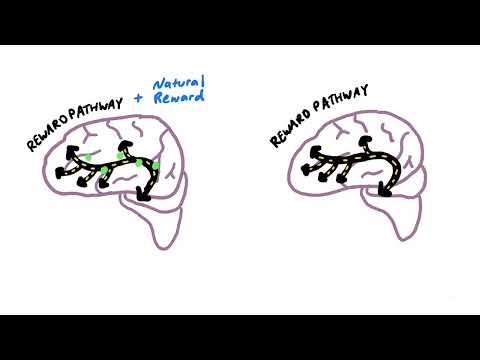
So, here’s where the psychological part kicks in. Our minds play a huge role in how we cope with cravings and triggers. It’s not only about willpower; it’s like forming new neurological pathways in your brain, which can feel overwhelming at first. You might find yourself thinking things like, «Why did I do this again?» or «How can I ever change?» But every time you choose sobriety over old habits, you’re actively rewiring those thought patterns.
Also, there are emotional aspects that come into play too—because let’s face it, life can throw some curveballs that make you want to escape reality sometimes! Learning how to deal with feelings instead of running away is super crucial here. Journaling or talking things out with someone you trust can really help clarify what you’re feeling.
And then there are support systems—like friends, family or even local groups where people share their stories. They’ve walked similar paths and can be a lifeline when things get tough. When you’re feeling tempted and uncertain, having others around who understand what you’re going through feels comforting.
Look, I won’t sugarcoat it: sustainable sobriety takes time and effort. It’s not an easy journey by any means; there will be highs and lows along the way. But it’s all about progress—not perfection! So if you fall back for a bit? Just remember every step forward is worth celebrating! Keep building those pathways one day at a time; before long, you’ll find yourself on solid ground again!