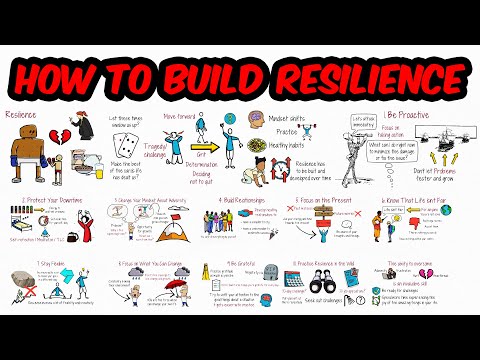
You know those days when everything just feels too much? Yeah, we all have them. Life throws curveballs, and sometimes it feels like we’re dodging more than we can catch. But here’s the thing: resilience is like this hidden superpower.
Imagine bouncing back after a tough moment—like a rubber ball. That’s what resilience is all about. It’s not just some fancy term; it’s something you can actually build and nurture.
When you take the time to strengthen your mental well-being, you’re setting yourself up for success down the road. So let’s chat about how to cultivate that inner strength together. No pressure, just some real talk about life and how to handle it with a bit more grace and grit. Sounds good?
Fostering Resilience: Enhancing Mental Well-Being and Finding Meaning in Life
Resilience is like that inner strength you have when life throws challenges your way. It’s about bouncing back from tough times and finding a way to keep moving forward. You know, life isn’t always smooth sailing. Sometimes it’s more like a rollercoaster, full of ups and downs that can really test us.
To foster resilience, it’s super important to understand what it means to be mentally well. Mental well-being is more than just not feeling sad; it’s about having a positive outlook on life and being able to cope with stress. Think of it as your emotional toolkit—you want it stocked with all the right tools.
A major part of resilience is how you view challenges. When something tough hits you, try changing the way you think about it. Instead of saying, “Why is this happening to me?” flip that script to something like, “What can I learn from this?” This simple shift can help reframe your perspective in a more positive light.
But hey, let’s dig into some key ways to enhance resilience:
- Build Connections: Surround yourself with supportive people. Having friends or family around who listen and encourage you makes a world of difference.
- Practice Self-Care: Don’t underestimate the power of taking care of yourself—physically and mentally! Get enough sleep, eat well, and find activities that bring you joy.
- Set Realistic Goals: Break down big goals into smaller steps. Achieving these little wins can boost your confidence when times get tough.
- Embrace Change: Life is unpredictable! Instead of resisting change, try adapting to it as best as you can. Flexibility can help you navigate through those rough patches.
- Cultivate Gratitude: Reflect on what you’re thankful for each day. It helps keep things in perspective and highlights the positives amidst tough times!
Let’s say your friend Sarah loses her job unexpectedly. Instead of spiraling into despair—something she might’ve done in the past—she turns to her network for support by reaching out for advice or leads on new opportunities, focusing on what she can do next rather than dwelling on the loss.
Resilience also involves accepting that setbacks happen; they’re part of life! Think about athletes who train hard but still face defeats – they learn from their losses and come back stronger each time.
Finding meaning in life plays a big role in resilience too. When you’re connected to something larger than yourself—like family, community service, or pursuing passions—it gives you strength during hard times. You start seeing struggles not just as obstacles but as part of your journey.
Finally, remember that building resilience takes time and practice; it’s not an overnight thing! Each experience may teach you something invaluable that contributes to your growth.
In short, embracing resilience means being proactive about your mental health while also understanding life’s ups and downs are all part of the ride! Keep nurturing those skills and connections; they’ll serve you well when challenges come knocking at your door!
Building Resilience: Strategies for Nurturing Mental Well-Being in Everyday Life
Building resilience is all about bouncing back from life’s curveballs, you know? It’s like that feeling after you’ve faced a tough situation and managed to come out on the other side—maybe even stronger! So, how do you nurture that mental toughness in your everyday life? Let’s break it down.
Understanding Resilience
Resilience isn’t just about being tough. It’s the ability to adapt to stress and hardships. It’s more like having a flexible mindset that allows you to navigate through challenges. Imagine it as a rubber band; when you stretch it, it doesn’t break. Instead, it returns to its original shape. You follow me?
Connecting with Others
One of the biggest boosters of resilience is social connections. Having a solid support system matters a lot! This might be friends, family, or even colleagues who lift your spirits when things get rough. Think about that time when you felt low and just talking to someone made a difference.
- Share Your Feelings: Don’t bottle things up! Open up—it helps.
- Create Boundaries: Know when to say no and protect your energy.
Practicing Self-Compassion
It’s super easy to beat yourself up over mistakes or failures. But here’s the kicker—you wouldn’t talk that way to a friend, right? Treat yourself with kindness instead. Accepting your imperfections helps create space for growth.
- Acknowledge Your Feelings: It’s okay not to feel okay sometimes.
- Treat Yourself Like A Friend: Encourage yourself rather than criticize!
Cultivating Mindfulness
Imagine being truly present in each moment—sounds great, huh? Mindfulness can help you manage anxiety and reinforce resilience. When you’re mindful, you’re not lost in worries about tomorrow or regrets from yesterday. Just focus on now; maybe breathe deeply for a few minutes or savor that first sip of coffee.
- Meditation: Even five minutes can reset your brain!
- Tune Into Your Senses: Notice what you see, hear, taste—engage fully!
Embracing Change
Change is a part of life—and honestly, some changes can be pretty awesome! Being open to new experiences is key in building resilience. Instead of resisting change with all your strength, lean into it! For example, if you’re moving cities for work or school, think of the new friends you’ll make instead of focusing on what you’ll miss.
- Your Comfort Zone Is Not The Only Zone: Try exploring new activities or hobbies.
- You Learn From New Experiences: Each change teaches valuable lessons!
Nurturing Problem-Solving Skills
Now here’s the scoop: learning how to tackle problems head-on can boost your confidence big-time! The next time something challenging rolls around—it could be anything from juggling work deadlines to handling personal issues—embrace it as an opportunity!
- The 5-Whys Technique: Ask why this problem exists five times till root causes show up!
- Categorize Your Problems: Break them into smaller bits—it makes tackling easier!
The Importance of Taking Care Of Yourself
Your physical health plays a massive role in how well your mind functions too! When you’re tired or run-down emotionally and physically, it’s tough to handle stressors effectively.
- Nourish Yourself: A balanced diet fuels both body and mind.
- Sweat It Out: A little exercise works wonders for mental clarity.
- Zzz Quality Sleep: You need that recharge time!
So there you have it—some strategies for building resilience that you can sprinkle into your daily life! Remember, it’s not all about never facing struggles but learning how to rise like a phoenix each time. Keep nurturing those skills; they’re like muscles—the more you use them, the stronger they’ll get!
Exploring Examples of Resilience in Mental Health: Strategies and Success Stories
Resilience is, like, one of those buzzwords we hear a lot. But what does it really mean in the context of mental health? Well, it’s all about bouncing back from life’s curveballs. Some people are naturally more resilient than others, but the good news is that you can totally build those skills over time!
So, what are some examples of resilience? Here are a few real-life scenarios that show how people have navigated tough times:
- A student facing academic pressure: Imagine a high schooler who fails an important exam. Instead of giving up, they seek help from a teacher and study in a group. That determination not only helps them pass the next exam but also makes them more confident!
- A job loss: Think about someone who loses their job unexpectedly. They could just sit around feeling sorry for themselves, right? But resilient folks often take this as a chance to rethink their career path. Many might pick up new skills or even start their own business!
- Health challenges: Consider someone diagnosed with a chronic illness. This can be really tough! Some people turn their experiences into advocacy work, helping others going through similar issues. It’s amazing how sharing your struggle can turn into strength!
Now let’s chat about strategies to build resilience because it’s not just about facing struggles; it’s also about preparation.
Connection is key! Surrounding yourself with supportive friends and family makes all the difference when life gets rough. Having people to lean on—and to remind you that you’re not alone—helps you cope better.
Another strategy? Mindfulness and stress management techniques. Practicing mindfulness can be super helpful in staying grounded during chaos. Just taking a few deep breaths or meditating can change your perspective on stressors.
And don’t forget about setting goals! Taking small steps towards what you want can boost your sense of control. When little achievements add up, it builds confidence and helps you feel more effective in handling tough situations.
Lastly, embracing change is vital! Life throws all sorts of surprises at us. Resilient people tend to accept change rather than resist it. Adapting to new circumstances allows for growth and learning!
Real-life success stories often highlight these principles beautifully. For example, there’s this incredible athlete who faced multiple injuries throughout their career but always found ways to adapt training methods or switch sports until they achieved their dreams.
In short, resilience is like mental armor that helps us deal with life’s challenges. You don’t have to be perfect at it; just keep practicing connection, mindfulness, goal-setting, and adaptability! Each effort pushes you closer to becoming more resilient over time—and trust me, that’s something worth cultivating for your mental well-being!
Resilience is one of those buzzwords that get tossed around a lot, right? But honestly, it’s like this quiet superpower we all have. You know, the ability to bounce back when life throws its punches. It’s not just about being tough; it’s more like being flexible and adaptable, like a rubber band. Sure, it snaps back after being stretched, but it can also take on a different shape without breaking.
Think about a time when you faced something tough. Maybe you lost a job or had a breakup that hit hard. When I was in college, I had this moment where I bombed an exam I thought I’d aced. My world felt like it was crumbling. But after sulking for a bit (okay, maybe a week), I realized that one test wasn’t the end of the road! So, I worked harder and sought help from friends and professors. That experience taught me that setbacks can actually lead to growth if you let them.
Nurturing resilience isn’t just about facing challenges; it’s also about how you take care of your mind along the way. Practicing mindfulness or grounding techniques can be really helpful! Like when stress piles up and everything feels overwhelming—taking five minutes to breathe deeply can seriously change your perspective.
And let’s not forget the role of community in this whole process! Surrounding yourself with supportive people makes such a difference. When my friend was going through some rough patches, just being there for each other gave us both strength to keep going. Having someone to talk to or even share silly moments with helps lighten the load.
Embracing change is also key here. Life is full of ups and downs—expecting things to stay the same will only lead to disappointment. Instead, cultivate an attitude that welcomes change; it opens up pathways for new opportunities and experiences.
But remember: building resilience doesn’t happen overnight—it’s like growing muscle! Little by little, as you face challenges and learn from them, you’ll find yourself stronger than before.
So yeah, resilience isn’t just surviving tough times; it’s about thriving despite them too!