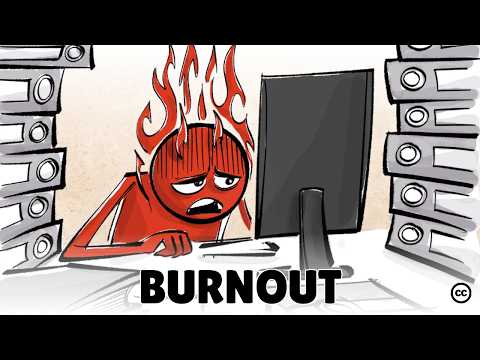
You know that feeling when your brain’s like a TV with too many channels blaring at once? Yeah, that’s stress. It sneaks up on you, doesn’t it? One minute you’re chillin’, and the next, you feel overwhelmed.
Well, the thing is, managing stress doesn’t have to be this huge mountain to climb. Seriously! There are ways to untangle that mess in your mind.
We’re gonna chat about some really effective strategies that can help you grab the reins on stress. You ready? Let’s dive into the psychology behind it all and see how you can ease those jitters!
Effective Psychological Strategies for Managing Stress: A Comprehensive Guide
Stress is something we all face, and it can really take a toll on our mental and physical health. So, knowing how to manage stress effectively is super important. Here are some psychological strategies that can help you cope better when life gets overwhelming.
Recognizing Stress Triggers
Before you can tackle stress, you gotta know what’s causing it. Is it work? Relationships? Financial worries? Sit down for a moment and make a list of your main stressors. Once you know the culprits, you can start figuring out how to deal with them.
Mindfulness and Meditation
Practicing mindfulness can be a game changer. This means focusing on the present moment without judgment. You could try sitting quietly for just five minutes each day, observing your thoughts as they drift in and out like clouds in the sky. It sounds simple, but it helps you become more aware of your feelings and reactions to stress.
Cognitive Behavioral Techniques
Ever heard of cognitive behavioral therapy (CBT)? This is where you challenge negative thoughts. Let’s say you think, “I’m terrible at my job!” Instead, flip that script: “I’m learning and improving every day.” This kind of reframing can help lighten the mental load.
Physical Activity
Movement is essential! Exercise releases endorphins—those feel-good chemicals in your brain. Whether it’s hitting the gym or going for a walk, find something that makes you feel good physically. When I went through a tough time last year, just taking long walks really helped clear my head.
Social Support
Don’t underestimate the power of talking things out! Sharing your thoughts with friends or family members can relieve stress levels significantly. Sometimes just having someone listen makes all the difference.
Time Management Skills
Feeling overwhelmed often stems from poor time management. If your to-do list feels endless, break tasks into smaller chunks and prioritize what’s most important first. It feels way less intimidating when you tackle one small thing at a time.
Laughter as Medicine
Seriously! Laughter triggers the release of endorphins too! Watch a funny show or hang out with friends who make you laugh. Recalling that joke your buddy told last week might lighten your mood during stressful times!
Pursuing Hobbies
Engaging in activities that bring joy helps take your mind off stressors. Whether it’s painting, gardening, or playing an instrument—focusing on something fun gives your brain a break!
It’s all about finding what works best for you because everyone’s got their unique ways of handling pressure. If one method doesn’t click, don’t throw in the towel—try another until things start to feel lighter again!
Effective Strategies for Managing Stress in the Workplace: A Legal Perspective
Managing stress at work is something many of us deal with, and it can get overwhelming. You know, when deadlines are breathing down your neck and that pile of tasks seems to multiply? Stress is more than just a feeling; it can affect your health and how you do your job. So, here’s the deal: managing that stress effectively is super important—not only for your own well-being but also for creating a positive workplace environment.
Recognizing Stressors
First off, it’s helpful to understand what causes stress in the workplace. Some common stressors include heavy workloads, tight deadlines, or conflicts with colleagues. Picture this: you’re working on a project, and every time you open your email, there’s another urgent request. It’s like being chased by a deadline monster! Recognizing what makes you feel stressed is the first step to handling it.
Healthy Communication
Next up is communication. Seriously! Open dialogue with team members or supervisors can work wonders. If you’re feeling overwhelmed, share that with someone who can help lighten the load or at least understand what you’re going through. For instance, if you’re juggling multiple projects alone and it’s becoming unmanageable, talking it out could lead to getting some support from colleagues.
Taking Breaks
And don’t forget about taking breaks! It sounds simple but taking short breaks throughout the day helps clear your mind. Imagine staring at the same report for hours—it gets tough to focus after a while! Just stepping outside for a quick walk or grabbing a coffee can reset your brain and make tackling tasks feel less daunting.
Mindfulness Practice
You might find mindfulness practices really effective as well. This includes techniques like meditation or deep breathing exercises that can help center yourself during high-pressure situations. Even just sitting quietly and focusing on your breathing for five minutes can make a difference when stress levels peak.
Setting Realistic Goals
Setting achievable goals for yourself is another key strategy. When you set *realistic* targets instead of aiming too high all the time, it helps prevent unnecessary pressure. Think about it: would you rather finish three manageable tasks well or struggle to complete five only half-heartedly? Choosing quality over quantity often leads to better outcomes and less stress.
Adequate Support Systems
Also, having strong support systems in place can be invaluable. Whether it’s coworkers who back you up or access to mental health resources provided by employers—these supports can create an environment where everyone feels comfortable seeking help when needed.
Coping Techniques
Lastly, don’t overlook personal coping techniques! People find relief in different ways; maybe it’s exercise after work or journaling about your day’s challenges. Finding what works best for *you* makes managing stress much simpler over time.
All these strategies reflect an understanding that workplace stress doesn’t just come from workloads but also from how we navigate our interactions and feelings about those duties—acts of everyday legality if you will! Fostering an open culture where discussions around stress are normal helps everyone feel heard and respected while keeping performance up too.
So yeah, managing workplace stress isn’t just about tackling tasks; it’s also about creating a supportive environment both mentally and physically—and let me tell you—it’s definitely worth putting in the effort!
Mastering Stress Management: The 7 Essential Steps for a Balanced Life
Stress, right? It sneaks up on you when you least expect it, and before you know it, you’re juggling a million thoughts. But with some understanding of how to handle stress, you can definitely find that balance you’re looking for. Here are a few essential steps you might want to consider:
1. Acknowledge your Stressors
The first step is recognizing what’s making you feel stressed. It can be anything from work pressure to personal relationships or even your daily commute. Take a moment and write down what’s bugging you. Seriously, putting pen to paper really helps clarify things.
2. Deep Breathing
Okay, so this might sound simple but trust me; it works wonders! When you’re feeling overwhelmed, take a minute to breathe deeply. Inhale through your nose for about four seconds, hold it for four seconds and then exhale slowly through your mouth for six seconds. This resets your mind and calms the chaos.
3. Time Management
You know that feeling when there’s just too much on your plate? It’s exhausting! Organizing your time can help reduce stress levels significantly. Try prioritizing tasks by urgency or importance—this way, you’ll focus on what truly matters first instead of scrambling at the last minute.
4. Find Support
Never underestimate the power of talking things out! Whether it’s friends or family or even online communities, sharing feelings can lighten the load. Sometimes just knowing someone else gets it makes all the difference.
5. Physical Activity
Exercise isn’t just good for your body; it’s great for your mind too! Even a short walk can release those feel-good hormones called endorphins—giving you an instant mood boost and helping melt away stress.
6. Practice Mindfulness
Mindfulness means being present in the moment without judgment—just like focusing entirely on that delicious slice of pizza instead of thinking about tomorrow’s workload! Meditation apps or quiet time with some calming music can assist here.
7. Establish Boundaries
Setting limits is crucial for maintaining balance in life! Learn to say no when you need to instead of overcommitting yourself out of guilt or obligation—this protects both your mental energy and time.
So yeah, mastering stress management isn’t about dodging what life throws at you but learning how to ride those waves without wiping out completely. By incorporating these steps into daily life gradually, you’ll not only manage stress better but also find that balance we all crave!
Stress, man. It’s something we all deal with at some point, isn’t it? Whether it’s work deadlines, family obligations, or just the chaos of daily life, it can feel like a non-stop treadmill. You might even catch yourself feeling overwhelmed at times—like your brain is juggling way too many things and about to drop them all.
So let’s talk about some psychological strategies to take the edge off all that stress. For starters, one of the coolest things you can do is practice mindfulness. Basically, it’s about being in the moment without judgment. You know those moments when you’re stressing over that email you forgot to send or worrying about what might happen tomorrow? Yeah, mindfulness helps you hit pause on that and brings your focus back to right now. It’s super simple; maybe just take a few deep breaths or notice what’s around you for a minute or two.
I remember a time when I had this massive project due at uni. I found myself pacing in my room like a caged animal! Then a friend suggested that I try just chilling out and doing some breathing exercises before diving into my work. At first, I was skeptical—could that really help? But honestly, after a few minutes, I felt calmer and more focused. My anxiety didn’t disappear completely, but it definitely made things feel much more manageable.
Another solid approach is cognitive-behavioral techniques. They sound fancy but trust me; they’re pretty straightforward! The idea is to challenge those negative thoughts that dance around in your head during stressful times. Instead of thinking “I can’t handle this,” flip the script to “I can figure this out.” It sounds simple because it is! Those little shifts in how we talk to ourselves can make an enormous difference over time.
And don’t forget about social support! Seriously, leaning on friends or family during tough times isn’t just okay—it’s essential. Talking things out with someone who listens can lift so much weight off your shoulders. The power of sharing experiences should never be underestimated; sometimes just knowing someone else gets what you’re going through can be comforting.
But here’s the thing: not every strategy works for everyone. You gotta find what clicks for you—kind of like trying on different outfits until something feels just right! Experimenting with various techniques and see which ones fit into your life best may lead you down a more peaceful path.
Life throws us curveballs for sure, but understanding how our minds work when dealing with stress opens up new ways to cope and bounce back from challenges. Just remember—you’re not alone in this journey!