You know that moment when your mind just won’t shut up? Seriously, it’s like a hamster on a wheel, going non-stop. Every thought, worry, and random song lyric racing through your head.
Well, what if I told you there’s this cool thing called mindfulness? It’s all about slowing down and tuning into the moment. And yeah, it can be a game changer for your mind.
Meditation plays a big role in mindfulness too. It might sound a little intimidating at first. But honestly, it’s just you and your breathing. Super simple stuff!
A lot of us could use a little more zen in our lives, right? Let’s chat about how this whole mindfulness thing works and why it matters for your mental well-being. Trust me; it might just help you find that calm amidst the chaos!
Understanding Mindfulness Through Meditation: A Psychological Perspective on Its Meaning and Benefits
Mindfulness is kind of a buzzword these days, right? It’s all about being present. When you think of mindfulness, meditation usually pops into your mind. But why is that? Basically, meditation is a tool for practicing mindfulness, and understanding it can really change how we view our thoughts and feelings.
What is Mindfulness?
At its core, mindfulness is just paying attention to the here and now. It means noticing what you’re feeling, thinking, or even smelling without jumping to conclusions or reacting right away. Picture this: you’re sitting outside on a sunny day. Instead of scrolling through your phone or planning dinner in your head, you take a moment to really notice the warmth on your skin and the sound of birds chirping. That’s mindfulness!
How Does Meditation Fit In?
Meditation gives you a structured way to practice being mindful. When you meditate, you’re often instructed to focus on your breath or an image. This helps train your brain to bring its attention back when it wanders off—like when you start thinking about that weird thing your friend said last week.
The Psychological Benefits
Now let’s get into why this matters from a psychological perspective:
- Reduces Stress: Studies show that regular meditation can lower stress levels. Imagine being stuck in traffic but instead of swearing at everyone else on the road, you’re calmly breathing and observing.
- Improves Focus: The more you practice bringing your attention back during meditation, the better you get at focusing in daily life.
- Enhances Emotional Well-Being: Mindfulness can help people become more aware of their emotions without judgment—so instead of feeling overwhelmed by anger or sadness, they learn to sit with those feelings.
Remember when I mentioned sitting outside? Let’s say that day turns cloudy and rainy all of a sudden. If you’re practicing mindfulness regularly through meditation, instead of grumbling about the weather ruining your day, you’d likely be more accepting—and maybe even find beauty in the rain!
The Science Behind It
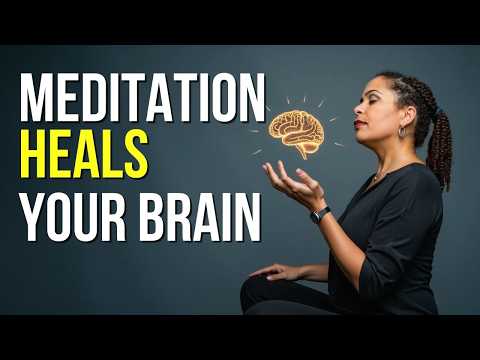
Research backs up these benefits too! MRI studies have shown that regular meditation can actually change areas in the brain related to stress management and emotional regulation—pretty wild! It’s like giving your brain a workout but without breaking a sweat.
So yeah, practicing mindfulness through meditation isn’t just some trendy activity; it actually rewires how we respond to life’s ups and downs. Whether you’ve tried sitting still for five minutes or you’re deep into daily routines—it all counts! Just remember: staying present is like building muscle; it takes time and practice.
In short, understanding mindfulness through meditation allows us to approach life with more clarity and calmness. The next time life throws something at you—big or small—see if there’s room for some mindful breathing before reacting automatically! You might be surprised by how much power living in the moment can give you.
Exploring the Connection Between Mindfulness and Mental Health: A Comprehensive PDF Guide
Mindfulness and Mental Health is a topic that’s been getting a lot of attention lately, and for good reason. Mindfulness involves being fully present in the moment, which can have a positive impact on your mental well-being. When you practice mindfulness, you’re tuning into your thoughts, feelings, and sensations without judgement. It’s like hitting the pause button on life for just a little while.
One way to engage in mindfulness is through meditation. Think of it as a workout for your brain. When you sit quietly, focusing on your breath or a particular thought, you’re training your mind to maintain focus and reduce distractions. Research shows that regular meditation can help reduce symptoms of anxiety and depression. Imagine feeling less overwhelmed by everyday stress—doesn’t that sound great?
When you practice mindfulness, it’s not just about meditation. It’s about making an effort to be more aware throughout the day. Whether you’re washing dishes or taking a walk, try to really pay attention to what you’re doing. Feel the water on your hands or notice the colors of the trees around you. By being intentional with your awareness, you’re helping to soothe your mind.
Now let’s break down some key benefits of this connection between mindfulness and mental health:
- Reduced Stress: Mindfulness helps lower cortisol levels in the body—cortisol is that pesky stress hormone.
- Improved Focus: Training your brain through mindfulness can enhance concentration skills.
- Anxiety Management: Regular practice can lead to fewer panic attacks and less general anxiety.
- Emotional Regulation: You become better at observing emotions without getting swept away by them.
- Sleep Quality: A calmer mind means better sleep; who doesn’t want that?
Here’s where it gets personal—many people have shared stories about how practicing mindfulness changed their lives. For instance, someone I know struggled with anxiety for years but started meditating 10 minutes each morning. Over time, they reported feeling more grounded and less reactive to stressful situations.
It’s also important to note that mindfulness isn’t always easy; it’s normal for thoughts to wander during meditation or even in daily practices. Instead of getting frustrated when this happens, gently bring your focus back without judgement. It’s all part of learning!
In summary, exploring the connection between mindfulness and mental health reveals how powerful simply being present can be. It encourages us not only to care for our mental well-being but also helps us connect with ourselves on a deeper level. Whether through meditation or mindful activities throughout the day, incorporating these practices into our lives could lead to improved mental health overall.
So next time life feels hectic—or even if it doesn’t—give yourself a moment to pause and breathe deeply; you might find it makes all the difference.
Exploring the Impact of Mindfulness: Comprehensive Research Articles and Insights
Mindfulness has been a topic of buzz lately, right? It’s kind of everywhere. But what is it, really? At its core, mindfulness is about being fully present and engaged in the moment without judgment. It’s like hitting pause on life to just breathe, observe, and accept.
Research shows that practicing mindfulness can lead to a variety of positive mental health outcomes. For instance, studies indicate that regular mindfulness meditation can reduce anxiety and depression. You know how sometimes you get lost in your thoughts about the past or worry about the future? Mindfulness helps pull you back into the here and now, which can calm those racing thoughts.
And let’s talk about stress for a second. Many folks experience stress daily—whether it’s work-related pressure or personal issues. Mindfulness offers tools to manage that stress more effectively. By focusing on your breath or noticing physical sensations without reacting to them, you actually train your brain to handle stress better over time.
But it’s not just about calming down; mindfulness can also enhance your emotional regulation. When you’re mindful, you become more aware of your emotions as they arise instead of reacting impulsively. Imagine having an argument with a friend; if you’re mindful, you might catch yourself getting angry and choose to respond calmly instead of blurting out something hurtful.
There are different ways people practice mindfulness:
- Meditation: This can be sitting quietly for a few minutes or doing guided sessions.
- Mindful walking: Just taking a stroll while paying attention to each step.
- Body scan: Focus on different parts of your body and notice any sensations.
You know what’s wild? Even short 10-minute daily practices can make a difference! Research has found that just a little bit goes a long way when it comes to building mindfulness into your routine.
And here’s something interesting: regular practitioners often report an increase in overall well-being. They feel more connected—to themselves and others—because mindfulness encourages compassion too! It creates space for understanding both yourself and those around you.
Of course, like anything else, mindfulness isn’t a one-size-fits-all solution. Some people might find it challenging at first; that’s totally normal! Maybe at first it feels awkward or frustrating because their mind keeps wandering off—not unusual at all! With time and practice, though, it usually gets easier.
In wrapping this up—mindfulness is like exercising a muscle; the more you do it, the stronger it becomes! By regularly engaging with these practices, people often discover greater peace within themselves while navigating life’s ups and downs more gracefully.
So if you’re intrigued by this whole thing—or even if you’re just curious—give it a try! You’ve got nothing to lose but all those racing thoughts!
So, let’s chat about mindfulness through meditation. It might sound all zen and peaceful, but there’s actually a lot going on in that seemingly quiet mind of yours when you meditate.
You know, the first time I tried meditating, I felt like my thoughts were just bouncing around like kids in a candy store. Seriously! It was hard to focus—my mind was racing through my to-do list and playfully reminding me about that awkward thing I said at dinner last week. But over time, as I stuck with it, something clicked.
In a way, mindfulness is like giving your brain a break from its usual chaos. When you sit down and focus on your breath or the here and now, it helps you become aware of your thoughts without getting tangled up in them. You start noticing patterns—like how often you worry about everything under the sun or how reliving past mistakes can drain your energy.
From a psychological angle, what happens is pretty interesting. Studies have shown that practicing mindfulness can actually change the way your brain works. Areas linked to stress and anxiety tend to chill out while those connected to emotional regulation ramp up their activity. It’s like flipping a switch that helps you handle life’s ups and downs better.
But it’s not all sunshine and rainbows; some folks might feel even more overwhelmed at first. That’s totally normal! It’s just part of the process—like cleaning out a cluttered closet before you have space for new stuff.
And here’s the kicker: mindfulness isn’t just about sitting cross-legged in silence anymore; it can show up in everyday life too! Whether you’re sipping coffee or washing dishes, being present makes those mundane moments shine brighter.
So yeah, mindfulness through meditation offers this powerful opportunity for change—not just mentally but emotionally too! And while it takes practice (and maybe some patience), it’s worth exploring if you’re looking to cool down that mental chatter and sprinkle a bit more peace into your daily routine.