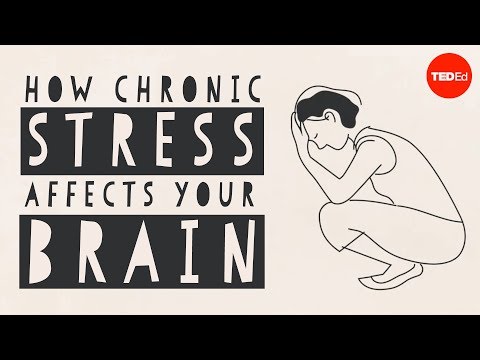
You know that feeling when your stomach’s all knotted up, and your mind’s racing? Yeah, that’s not just in your head.
Our gut and our emotions are basically best buddies. What if I told you that what goes on in your belly can seriously affect how you feel? Wild, right?
There’s this whole thing about gut health being tied to stress and anxiety. Like, the foods we eat might help us chill out or crank up the worry meter.
So, let’s chat about how taking care of your gut might just be the secret weapon against those anxious vibes. Seriously, it could change the game!
Exploring the Benefits of Coconut Oil for Leaky Gut: Fact or Fiction?
Let’s talk about leaky gut, a term you might’ve heard thrown around. Basically, it refers to a condition where the gut lining gets damaged, allowing substances to leak into the bloodstream. This can lead to inflammation and may mess with your overall health. Some people say that coconut oil can help with this issue, but is that really true?
Coconut oil is packed with medium-chain triglycerides (MCTs). These are a type of fat that’s easy for your body to digest and absorb. Some studies suggest that MCTs might have anti-inflammatory properties which could be beneficial for gut health. But here’s the catch: there isn’t a ton of solid research directly linking coconut oil with improving leaky gut symptoms.
Now, when you think about gut health, it’s not just about what you eat. It also relates to how your body handles stress and anxiety. You see, our gut is sometimes called our «second brain.» That means what’s happening in your gut can affect your mood and vice versa. So if coconut oil helps reduce inflammation in the gut, it might indirectly support a calmer mind too.
Still, it’s important to consider other aspects of your diet. Just adding coconut oil into your meals won’t magically fix everything. You gotta look at your overall eating habits—like incorporating more fiber from fruits and veggies or reducing sugar intake.
Here are some points to keep in mind about coconut oil and leaky gut:
- Potential Anti-Inflammatory Effects: As mentioned earlier, MCTs may help reduce inflammation.
- Digestive Support: Coconut oil can help improve digestion because it’s easier for some people to break down.
- Saturated Fats: Even though it’s high in saturated fats, it appears they’re not as harmful as once thought when consumed in moderation.
But let’s not ignore those who have experienced issues after consuming coconut oil or any fats for that matter! Not everyone reacts the same way. If you get tummy aches or other symptoms after eating it, then maybe it’s not right for you.
To wrap this up: while there are some potential benefits of coconut oil regarding leaky gut due to its anti-inflammatory properties, we need more research before jumping on the bandwagon completely. It might play a role in supporting digestive health but remember to look at it as part of a bigger picture when considering how to alleviate stress and anxiety linked with gut health.
In short, enjoy your coconut oil if you like it! Just don’t expect it to be a miracle cure all alone—your lifestyle choices matter too!
The Impact of Lifestyle Choices on Gut Bacteria: What You Need to Know
So, let’s chat about something that’s getting a lot of buzz these days: the connection between lifestyle choices and our gut bacteria. You might not realize it, but what you eat, how you move, and even your stress levels can have a major impact on those tiny critters living in your digestive system.
First off, let’s talk about gut bacteria. These microorganisms play a crucial role in your health. They help with digestion, nutrient absorption, and even influence your mood. Crazy, right? Research suggests that a healthy gut can help alleviate symptoms of anxiety and stress. So, what shapes this little ecosystem? Well, mostly your lifestyle choices!
- Diet: Imagine putting junk food into your body—it’s like throwing trash into a garden! A diet high in processed foods can lead to an imbalance of gut bacteria. On the flip side, foods rich in fiber like fruits, veggies, and whole grains feed the good bacteria.
- Exercise: Moving around isn’t just good for your muscles; it also boosts the diversity of gut bacteria. Regular exercise is linked to more beneficial strains that can actually help reduce anxiety levels.
- Sleeplessness: Not getting enough shut-eye? Well, that can mess with your gut health too. Poor sleep patterns can decrease the variety of good bacteria and lead to increased stress hormones in your body.
- Stress management: Chronic stress affects not just your mind but also your gut! Stress can change the makeup of gut bacteria negatively—you could say it throws everything out of whack. Finding ways to manage stress is crucial for both mental and gut health.
You know when you’ve had one too many cups of coffee on an empty stomach? That gurgly feeling isn’t just annoying; it’s a sign that something’s off with those microbiome buddies. And guess what? Studies show that people facing high anxiety often have less variety in their gut bacteria compared to those who are less anxious. It’s all connected!
If you’re wondering how to keep those little guys happy—think balance! Eating a colorful plate filled with whole foods is key. For instance, if you toss some berries and nuts into yogurt for breakfast—oh man—you’re giving those beneficial bacteria something to thrive on.
Baking homemade bread or trying fermented foods like kimchi or sauerkraut also adds more diversity to your diet. Probiotics are pretty popular these days because they introduce new strains of good bacteria into your system! Just remember that everyone’s body is unique; what works for someone else might not work for you.
In sum, keeping an eye on your lifestyle choices matters big time when it comes to both gut health and mental wellness. So next time you’re feeling stressed or anxious, just remember: taking care of those microscopic buddies might be part of feeling better overall!
Essential Signs of a Healthy Gut: Key Indicators to Assess Your Digestive Health
If you’ve ever felt butterflies in your stomach before a big event, that’s your gut talking! Your digestive health can significantly influence not just how you feel physically, but also how you handle stress and anxiety. Let’s dig into some essential signs of a healthy gut and why they matter for your mental well-being.
Regular Bowel Movements
You know when you go to the bathroom and everything just flows? That’s a good sign! Ideally, you should be having bowel movements anywhere from three times a week to three times a day. If it’s all smooth sailing down there, your digestion is likely doing well. If you’re constipated or running to the loo too often, it might mean your gut needs some TLC.
No Excess Gas or Bloating
A little gas now and then is normal. But if you’re feeling bloated or gassy all the time, that could be a red flag. Pay attention to what you’re eating, like dairy or gluten – sometimes these can trigger those pesky symptoms. Think of it this way: if your gut’s working efficiently, you shouldn’t feel like a balloon ready to pop after meals.
Diverse Diet
Eating a variety of foods is crucial for gut health.
So if you’re munching on the same few items daily? Mix it up!
Lack of Food Intolerances
If certain foods make you feel icky – like nausea or cramping – that’s not great news for your gut. A healthy digestive system usually handles most foods without drama. If you find yourself avoiding food groups because they upset your stomach regularly, it could be worth checking in with how balanced your diet really is.
Good Energy Levels
Ever notice how when you’re feeling sluggish or fatigued? That might just hint at what’s happening in your stomach! A happy gut can help convert food into energy more effectively. If you’re feeling energized throughout the day instead of crashing after meals? You’re likely on the right track.
Mood Balance
Did you know there’s a relationship between your tummy and feelings? It’s true! A healthy gut produces neurotransmitters that affect mood stability, including serotonin (think happy vibes). So if you’re generally in good spirits and able to cope with stress better than before? That might be due to a functioning digestive system.
So yeah, keeping an eye on these signs can give you helpful insights into not just how well you’re digesting food but also how capable you are of managing life’s ups and downs. Your gut health has way more influence than we often realize!
You know, it’s pretty wild how interconnected our bodies are. Like, when you think about anxiety and stress, you might picture racing thoughts or that tight feeling in your chest. But have you ever considered how much your gut plays a role in all of that? Seriously, it’s like there’s a whole world down there in your belly that can influence how you feel up here in your head.
So, let me share a quick story. A friend of mine was going through a tough time—stress at work, personal issues piling up. She was dealing with anxiety and tried everything: yoga, meditation, journaling—like the usual stuff. It helped a bit but didn’t really take the edge off. Then she stumbled upon this whole thing about gut health. Turns out the foods we eat and our gut bacteria can seriously affect our mood and stress levels! She switched up her diet to include more fermented foods and fiber-rich stuff. And guess what? Over time she felt less anxious! It was kind of amazing to see her transformation.
Now, what happens is that our gut has its own nervous system called the enteric nervous system—fancy name, huh? And it’s directly connected to our brain through something called the vagus nerve. So when your gut is thriving with healthy bacteria from things like yogurt or kimchi, it can send signals to your brain that promote feelings of calm rather than chaos.
You might be thinking, «Okay, but what’s really going on?» Well, when you’re stressed out or anxious, your body releases hormones like cortisol. If your gut isn’t healthy, it might struggle to keep those hormones in check—making everything feel worse! Basically, taking care of your gut could help even out those hormonal swings and reduce feelings of anxiety.
Now look at this: modern diets are often packed with processed foods which can mess with our gut bacteria. That means if you’re feeling off emotionally or mentally, it could be traced back to what’s on your plate! It’s not always easy to connect those dots because you’re just trying to survive the day-to-day chaos.
In short? Taking care of our guts could be another tool in managing anxiety and stress—not a magic fix but definitely worth considering as part of a bigger picture on mental health. So next time you’re feeling overwhelmed or anxious, think about what you’re fueling yourself with—and maybe try adding some good belly-friendly foods into the mix!