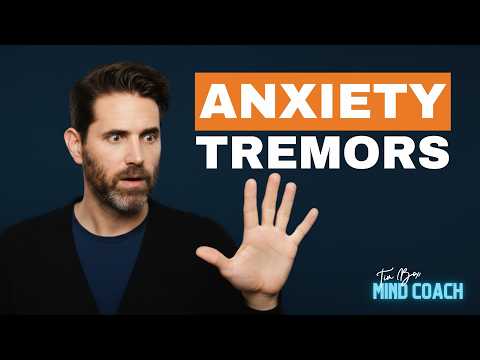
You know that feeling when your hands start shaking for no reason? Yeah, that’s anxiety doing its thing. It’s wild how our body reacts in ways we don’t even notice sometimes.
I remember this one time at a party. I was chatting with someone cool, and suddenly my hands felt like they were buzzing. Super awkward, right? Most folks just saw it as me being nervous, but it’s a lot more complicated than that.
So let’s talk about what’s really going on with those trembling hands. It’s not just about feeling anxious; there’s some science behind it. Grab a seat and let’s get into this!
Effective Strategies to Stop Shaking Hands Instantly: A Comprehensive Guide
So, let’s chat about shaky hands. You’re not alone if you’ve ever felt that tingling anxiety creeping in right before a big moment. It can be anything from a presentation to, I don’t know, meeting someone new. Your hands start to shake, and it’s like your body is saying, “Whoa! Something’s up!”
In these moments, it helps to understand what’s going on. When you feel anxious, your body goes into fight-or-flight mode. This triggers hormones like adrenaline to rush through you, causing physical reactions—hello shaking hands! But hey, there are a few tricks that might help calm those jittery fingers.
- Deep Breathing: Seriously, this one is a lifesaver! Taking slow, deep breaths sends a message to your brain that things are okay. Inhale for four seconds, hold for four more, and then exhale for six. Try doing this before any situation where you expect nerves to kick in.
- Focus on Something Else: Shifting your attention can work wonders. Instead of dwelling on the fact that your hands are shaking, pick an object in the room and really observe it. Notice its color or texture; it pulls your mind out of the anxious spiral.
- Progressive Muscle Relaxation: Sounds fancy? It’s pretty simple! You tense up different muscles in your body, then relax them one by one. Start with your toes and work all the way up to your head. It can help release tension overall.
- Avoid Caffeine: If you’re feeling jittery already, don’t fuel the fire! Caffeine can increase anxiety levels and make shaking worse. Stick with water or herbal tea if you’re feeling anxious.
- Practice Mindfulness: Mindfulness isn’t just for hippies; it helps ground you in the moment and reduces anxiety. Just focus on the here and now without judgment—observe what you’re experiencing without getting swept away by it.
- Mind Over Matter: Sometimes just reminding yourself that shaking hands aren’t as big of a deal as they seem can help ease the pressure off yourself. Everyone has their quirks!
Anecdote time: I once had a friend who would shake like crazy before he went on stage for his music performances. Then he started using deep breathing techniques backstage. He said focusing on his breath made him feel less like he was going to explode with nervous energy! Just remember: practice makes progress.
If shaky hands persist outside those nerve-wracking moments or start interfering too much with daily life experiences—like holding coffee cups (because that’s totally annoying)—that might be a cue to talk with someone about it.
The key takeaway here is that these little strategies can be super helpful when you’re trying to keep those hands steady during tricky times! Remember, though: everybody gets anxious sometimes; it’s just part of being human!
Understanding Psychogenic Tremors: Causes, Symptoms, and Anxiety Connections
Understanding Psychogenic Tremors is crucial, especially if you’ve ever experienced those shaky hands when anxiety kicks in. It’s kind of unsettling, right? Let’s break down what’s happening here.
So, psychogenic tremors are involuntary movements that can happen as a response to emotional stress or psychological triggers. While most people think of tremors as something linked to physical health, these guys are more about your mental state. You know that feeling when you’re super nervous before a presentation or stressful event? Yeah, your body can really react in ways you might not expect.
Causes of Psychogenic Tremors can be pretty varied. Stress and anxiety are the main culprits. When you’re under pressure, your brain sends signals that make your muscles twitch or shake. But it doesn’t stop there! Other factors like trauma or even emotional conflicts can contribute too. If something heavy is weighing on your mind, it can manifest physically.
Here are some common
Now for the symptoms. You might notice noticeable shaking in your hands or other parts of your body. It’s not just about the tremors though—there can be other signs too like heart palpitations or sweating. When I was in college, I remember this one time before my final exams. My hands were shaking so much during the exam that I could barely write! That was a classic anxiety moment manifesting physically.
Understanding these symptoms helps illustrate just how connected our minds and bodies really are. When you’re feeling anxious, it’s not uncommon for your body to respond by shaking or trembling.
Now let’s talk about the connection with anxiety. This is where it gets interesting! Anxiety triggers a fight-or-flight response in our bodies. Your heart races, palms sweat—and yep, you guessed it—tremors might occur too. The brain’s response system gets activated and sometimes doesn’t dial back down even after the stressor has passed.
What’s also important is recognizing that these tremors don’t mean something is seriously wrong with you physically—it’s more about what’s happening mentally and emotionally.
In summary, dealing with psychogenic tremors involves understanding their connection to anxiety and how they serve as a physical manifestation of emotional distress. The next time you feel those shakes coming on due to stress or worry, remember it’s all part of being human—and there are ways to manage it if it becomes overwhelming! Just knowing you’re not alone may help ease some of that tension a bit too.
Effective Strategies to Halt Anxiety-Induced Shaking Instantly
So, anxiety can do a number on us. You might find your hands shaking or trembling uncontrollably when stress hits hard. It’s kind of like your body’s way of saying, «Whoa, slow down!» These physical signs can feel super overwhelming, but there are some effective strategies you can use to calm down that trembling quickly. Let’s break it down a bit.
1. Deep Breathing Techniques
One of the simplest ways to halt anxiety-induced shaking is through deep breathing. What you do is sit or stand comfortably and take a deep breath in through your nose, hold it for a moment, and then slowly exhale through your mouth. Seriously, just focus on your breath going in and out. It’s amazing how this can ground you instantly.
2. Grounding Exercises
Another great strategy is to practice grounding exercises. This might involve focusing on things around you to anchor yourself in the present moment—like naming five things you see or feeling the texture of an object nearby. This redirects your attention from those anxious feelings and helps stop the shaking.
3. Muscle Relaxation
You might want to try some muscle relaxation techniques. By tensing and then relaxing different muscle groups, you can release some of that built-up tension in your body that contributes to shaking. Just tighten a muscle for about five seconds and then let go! You’ll feel better after each release.
4. Hydration & Nutrition
Sometimes anxiety shakes can be made worse by not being properly hydrated or not having eaten enough throughout the day. So grab a glass of water or munch on a snack! It’s like giving your body the fuel it needs to manage stress better.
5. Distraction Techniques
Finding a way to distract yourself is also effective! Call a friend or engage in an activity that requires focus—like drawing or listening to music. You gotta shift those gears away from anxious thoughts!
6. Visualizing Calmness
You could also visualize a peaceful scene—a serene beach or a cozy spot at home where you feel safe. Close your eyes for just a minute and really immerse yourself in that image; it helps replace anxious feelings with calmness.
When I was in college, there was this one exam day I completely blanked out and my hands started shaking so much I thought I’d drop my pencil! I used deep breathing right there at my desk and counted my breaths while focusing on something outside the window—a tree swaying peacefully—and it totally helped chill me out.
In short, when anxiety starts messing with you physically—like making those hands tremble—you’ve got some tools at your disposal! So next time that nervous energy bubbles up, remember these strategies: deep breathing, grounding exercises, muscle relaxation, staying hydrated and fueled up, distraction techniques, and visualization work wonders too!
Ever had those moments where your hands just won’t stop shaking? Like, you’re holding a cup of coffee, and it’s like a mini earthquake in your grip. You’re not alone in that. Trembling hands can be one of those pesky physical signs of anxiety, making it all the more tricky to handle stressful situations.
Anxiety can be sneaky—it’s like an unwelcome guest that shows up at the party uninvited and then decides to take over. It’s not just about feeling nervous or worried; it actually messes with your body in some pretty noticeable ways. When you’re anxious, your body goes into fight or flight mode, right? Your heart races, your breath gets shallow, and yeah, sometimes your hands start to shake.
Think back to that moment before giving a presentation or speaking in public — maybe you felt like a rabbit caught in headlights. You might have started sweating or felt butterflies doing acrobatics in your stomach. But then there are those moments when you look down and see your fingers trembling like leaves in a storm. It can feel really embarrassing, doesn’t it? You just want to pull yourself together.
What’s happening is that anxiety triggers the release of adrenaline—the same hormone that helps you react quickly when there’s danger around. And while it’s great for escaping from actual threats (like a lion chasing you), it’s not as handy during regular life stressors like exams or first dates.
The thing is, noticing these physical signs can actually help you tune into what’s going on inside you. It’s kind of like an alarm bell ringing: “Hey! Something’s off!” Once you’re aware of this shaking, there are ways to approach it—like taking deep breaths or finding grounding techniques to help ease the tension.
I remember once I was at this big family gathering where everyone expected me to give a little speech since I was home from college. I mean, my palms were clammy and I could feel my hands starting to shake as I stood up there! But instead of focusing on how shaky they were, I took a quick breath and reminded myself they didn’t care about perfection; they just wanted me to speak from the heart. That realization helped me relax enough for my hands to settle down.
So yeah, trembling hands can be awkward and annoying but they can also serve as reminders that it’s okay to feel anxious sometimes. Just remember: noticing doesn’t make it worse—it gives you insight into different ways to cope with whatever’s stirring up those feelings! So next time you notice those trembles showing up unannounced, maybe give yourself some patience and kindness instead of judgment; after all, anxiety happens to everyone at one point or another!