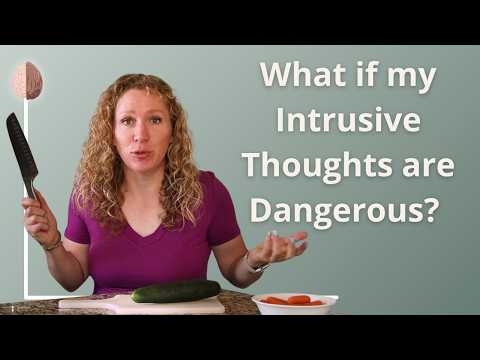
Hey! So, let’s talk about something that can feel pretty heavy: Harm OCD.
You know those random, scary thoughts that pop into your head? Yeah, those. For some folks, they’re not just annoying—they can be totally overwhelming. You might find yourself spiraling into worries you never wanted to have.
It’s like your brain is playing tricks on you, making you question what you’re capable of. The thing is, you’re not alone in this struggle. Harm OCD can sneak up on anyone, and it’s definitely more common than you think.
So let’s take a moment to break it down together. We’ll navigate through these intrusive thoughts and figure out what’s really going on in our heads.
Understanding Harm OCD: Risks, Myths, and Management Strategies
Alright, so let’s talk about Harm OCD, which is basically obsessive-compulsive disorder focused on those intrusive thoughts that make you worry about causing harm to yourself or others. It’s one of those things that can be really distressing, but understanding it better can help a ton.
First off, what do these intrusive thoughts look like? Imagine you’re sitting with a friend and suddenly, out of nowhere, you get this shocking image in your mind of accidentally hurting them. You know you would never do anything like that, yet the thought keeps popping back in your head. This is what people with Harm OCD often experience.
Now, let’s clear up some myths. A common misconception is that having these thoughts means you’re dangerous or bad. Seriously, that’s so not true! Most people dealing with Harm OCD are actually quite caring and empathetic. These intrusive thoughts are just that—thoughts—and they don’t reflect who you are or what you want to do.
- Risk of Misunderstanding: People might think those with Harm OCD are prone to violence because of their thoughts. But the truth is, they’re more likely to be distressed by their thoughts.
- Feeling Isolating: Many feel alone because they think no one else experiences such disturbing ideas. But it’s more common than you’d think!
- Lack of Awareness: Some people aren’t aware that these intense worries fit under the umbrella of OCD, often leading to frustration and confusion.
If you’ve ever felt the weight of these thoughts sitting heavy on your chest, you’re not alone in this struggle. It’s important to remember there are ways to manage it! One strategy is something called Cognitive Behavioral Therapy (CBT), which helps challenge those intrusive thoughts rather than pushing them away—because let’s be honest: trying to ignore them usually makes things worse.
You might also come across something called exposure and response prevention (ERP). It sounds fancy but really just means facing what frightens you without doing compulsive behaviors (like checking or avoiding). Yeah, it can be tough at first! Picture standing by a cliff’s edge if heights freak you out; it’s not easy but essential for progress.
An important part of managing Harm OCD is building a reliable support system. You know how talking about stuff sometimes takes a weight off your shoulders? Sharing your feelings can help normalize them and ease that isolation I mentioned earlier.
Anecdote time: There was this one person I read about who described their experience with Harm OCD as living in a dark room where every shadow felt threatening. They spent countless hours worrying about what could happen if they let their guard down. But with time and support from therapy and friends, they learned how to turn on the lights in their mind—understanding those shadows weren’t real threats after all.
So if you find yourself battling these kinds of thoughts or know someone who does—just remember: you’re not defined by them. With the right strategies and support, it’s totally possible to live life without being weighed down by fears like these!
Understanding Harm OCD: Essential Test and Assessment Guide
Harm OCD can feel overwhelming, right? It’s like your mind is a rollercoaster, with intrusive thoughts that make you question yourself constantly. So, let’s break this down.
What is Harm OCD?
Harm OCD (Obsessive-Compulsive Disorder) is a type of OCD where individuals experience distressing intrusive thoughts about causing harm to themselves or others. These thoughts are unwanted and can be pretty scary. You might find yourself repeatedly worried about accidentally hurting someone or even yourself. It’s crucial to understand that having these thoughts doesn’t mean you want to act on them.
Common Characteristics
People with Harm OCD usually share some common features:
- Intrusive Thoughts: These can pop up out of nowhere. You may wonder if you’ll lose control and hurt someone.
- Compulsions: To cope, some people develop rituals or behaviors—like checking locks or constantly reassuring themselves.
- Avoidance: You might avoid situations where harm could occur, like being around sharp objects or children.
Let me tell you a quick story. A friend of mine was terrified of getting into her car because she feared accidentally hitting a pedestrian. Every time she’d drive, she’d replay scenarios in her head about what could happen if she wasn’t careful—totally exhausting!
How is Harm OCD Assessed?
When it comes to assessments for Harm OCD, here’s what typically happens:
- Anxiety Questionnaires: Mental health professionals often use tools like the Yale-Brown Obsessive Compulsive Scale (Y-BOCS). It measures the severity of your obsessions and compulsions.
- Cognitive Behavioral Assessment: This involves discussing your thought patterns and behaviors with a therapist to identify specific triggers.
- Clinical Interview: This conversation helps the therapist understand your symptoms in context and how they impact your daily life.
These assessments help to create a clearer picture of what you’re going through.
Treatment Options
So, what can help you ease those pesky thoughts? Here are some effective routes:
- Cognitive Behavioral Therapy (CBT): This approach focuses on changing how you think about those intrusive thoughts and reducing anxiety.
- Exposure and Response Prevention (ERP): A subtype of CBT where you gradually face the situations that trigger your fears while resisting the urge to perform compulsions.
- Medication:
Imagine feeling more at ease knowing that those thoughts don’t define who you are! It’s all about giving yourself space to breathe.
An Important Reminder
Feeling guilty or ashamed about having these thoughts is super common among people living with Harm OCD. But remember: You’re not alone!Your mind may toss around these bizarre ideas, but experiencing them doesn’t mean you’re bad or have harmful intentions.
In closing, understanding Harm OCD takes time and effort. But being informed helps break down that foggy feeling it brings along with it. You’ve got this!
Understanding Harm OCD Symptoms: Key Signs and Effective Coping Strategies
Harm OCD can be a pretty overwhelming thing. If you or someone you know is dealing with it, understanding the symptoms can be a real game changer. So, let’s break down what Harm OCD is and how to cope with its symptoms.
Harm OCD is a type of obsessive-compulsive disorder where individuals experience intrusive thoughts about causing harm to themselves or others. These thoughts can feel super distressing and often lead to anxiety. It’s like your mind plays tricks on you, making you question your own character.
Key symptoms of Harm OCD include:
- Intrusive thoughts: These are unwanted and disturbing ideas that pop into your head, often without warning.
- Avoidance behaviors: You might find yourself avoiding certain situations or people that trigger these thoughts.
- Compulsions: This could mean doing certain actions repeatedly (like checking) to try and ease the anxiety from those thoughts.
- Perfectionism: You may feel the need to do things perfectly as a way of preventing harm or mistakes.
It’s kind of like being stuck in a loop. For example, if you’re driving, you might suddenly worry that you’ll hit someone. Then, you could spend hours replaying the drive in your head to reassure yourself that nothing happened.
Coping with Harm OCD isn’t one-size-fits-all. But there are some strategies that tend to help.
First off, acknowledge the thoughts. It sounds simple, but recognizing them as just thoughts—rather than reality—can lessen their power over time.
Secondly, practice mindfulness. This means focusing on the here and now instead of getting lost in those wild spirals of what-ifs. Breathing exercises can also ground you in moments when anxiety spikes.
Another approach is exposure response prevention (ERP). This involves gradually exposing yourself to your fears while resisting the urge to perform compulsions. Think of it as challenging those thoughts rather than running away from them.
Building a support network is essential too! Talk about it with friends or family who understand what you’re going through. Sometimes just sharing how you’re feeling helps lift some weight off your shoulders.
Also, keeping a journal might be beneficial. Writing down intrusive thoughts without censoring yourself allows for some release and clarity.
Remember, if it feels too heavy to handle alone, seeking guidance from mental health professionals can provide more tailored support. Connecting with others experiencing similar struggles can also offer comfort and understanding along this journey.
You’re not alone in this! With patience and the right strategies, it’s possible to manage these intrusive thoughts better over time.
Alright, let’s talk about Harm OCD. It’s one of those things that can seriously mess with your head. You know how sometimes a random thought just pops in and you’re like, “Where on earth did that come from?” Well, for folks dealing with Harm OCD, those thoughts are like a nonstop torrent—like a radio stuck on a station playing the same creepy song over and over.
Imagine you’re just chilling at home, maybe cooking or watching TV. Then suddenly, you get this weird thought about hurting someone—or even yourself. It’s scary as hell! But here’s the kicker: it doesn’t mean you actually want to do anything harmful. The mind just plays these tricks on you, making you doubt yourself and feel horrible.
I remember talking to a friend of mine who had this issue. She’d be out with her friends laughing and having a good time, but then an intrusive thought would hit her like a ton of bricks. Her face would change—it was clear something was bothering her. She’d start questioning everything: “What if I lose control? What if I hurt someone?” It wasn’t that she wanted to feel this way; it was more like her brain was throwing up these resistances to test her sanity.
That’s what makes Harm OCD unique—it thrives on fear and uncertainty. You cling to every thought as if it actually means something about who you are. The more you try to push those thoughts away or convince yourself they aren’t real, the more they stick around like that annoying fly buzzing near your ear.
And here’s where it can get tricky: when people hear “OCD,” they often think of hand-washing or counting rituals, but Harm OCD operates differently. It’s all about mental rituals—like replaying scenarios in your mind endlessly or seeking reassurance from others (“Do you think I’m dangerous?”). Those behaviors might feel comforting in the moment, but they usually make things worse.
So what can help? First off, recognizing that these thoughts don’t define you is crucial. They’re just thoughts—really annoying ones—but they don’t equate to action or intention. And connecting with others who understand can be invaluable; sometimes just knowing you’re not alone in this battle helps take some weight off your shoulders.
Navigating through Harm OCD is definitely a journey filled with ups and downs, but it starts with understanding itself is part of the process. You aren’t broken—you’re human! It takes time and patience. Talking about it openly can help break the stigma surrounding these intrusive thoughts because let’s face it: everyone has weird thoughts—it doesn’t mean we act on them!