Ever felt like your heart’s racing for no good reason? Yeah, anxiety can hit you like a ton of bricks sometimes. You might be sitting there, perfectly safe, but your mind is off on some wild ride.
Here’s the thing—you’re not alone. A lot of people deal with this. But what if I told you that one of the best ways to ease that anxiety could actually be found in the relationships around you?
It sounds simple, but having a secure attachment with someone can seriously change the game. Like, when you trust someone and they get you, it just feels… safer? You know what I mean? There’s something really powerful about knowing someone has your back.
So let’s chat about how nurturing those bonds can help calm that storm in your head. Trust me, it’s more connected than you might think!
Strategies for Healing Anxious Attachment in Relationships: A Comprehensive Guide
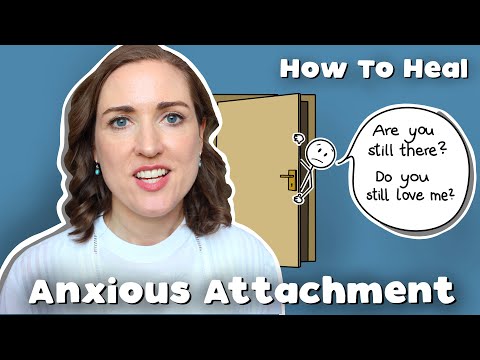
Anxious attachment, you know? It’s when you feel like your worth depends on how others see you, especially in relationships. People with this style often worry about being left or not being loved enough. But here’s the cool part: healing is totally possible! Let’s chat about some strategies that can help.
1.
2. Communication is Key
3. Develop Self-soothing Techniques
You need some tools to calm those anxious thoughts when they pop up. Deep breathing exercises are great; try inhaling for four counts, holding for four, and exhaling for four. Seriously calming! Other methods could include taking a walk or listening to music that chills you out.
4. Challenge Negative Thoughts
Your brain might throw some wild thoughts at you—like “they don’t love me” or “I’ll always be alone.” When these creep in, take a moment to challenge them! Ask yourself: Is there evidence for this thought? Sometimes talking to yourself like a friend can help shift perspective.
5. Build Trust Gradually
If trust isn’t strong yet in your relationship, work on it slowly but surely. Small steps count! Share little secrets with each other first before diving into bigger things—like fears and past hurts—to build that foundation of trust over time.
6. Set Boundaries
It’s okay to say no sometimes and respect each other’s space! Discuss what feels comfortable for both of you regarding personal time and social activities; boundaries shape healthy relationships and ease anxieties.
7. Seek Support
You don’t have to do everything alone! Talk to friends who get what you’re feeling or join support groups—there are loads out there both online and offline where folks share stories and strategies alike!
8. Practice Mindfulness
This isn’t just buzzword stuff—mindfulness can pull you back into the moment instead of spiraling into anxiety about the future or past hurts. Try being aware of your surroundings right now; focus on what you’re doing while doing it!
9. Engage in Activities You Enjoy
Pursue hobbies or interests that make your heart sing! Whether it’s painting, dancing, hiking—you name it—doing things that fill your cup helps lessen the focus on anxious thoughts.
10. Be Patient with Yourself
Healing from an anxious attachment style takes time—it won’t happen overnight! Celebrate small victories along the way; every little step forward counts!
The journey toward healing isn’t always easy; sometimes it can feel like swimming upstream against tough currents of fear and doubt—but remember: progress is progress no matter how small it seems!
Understanding Avoidant Attachment Styles in Intimate Relationships: Insights for Better Connection
Avoidant attachment styles can be a real puzzle in intimate relationships. If you’ve ever felt like someone is emotionally distant or just keeps pushing you away, it might be linked to how they learned to connect with others growing up. Basically, avoidant attachment is like having a “keep out” sign on your heart.
People with this style often grew up in environments where closeness felt uncomfortable. They might have experienced caregivers who were dismissive or overly focused on independence. As a result, they learned that vulnerability isn’t safe; instead, they focus on self-reliance and may struggle with intimacy. You can imagine how this affects adult relationships!
In these relationships, you might notice some common patterns:
- Emotional Distance: They often keep their partners at arm’s length emotionally. This means lots of surface-level conversations and avoiding deep discussions.
- Avoidance of Closeness: When things start getting serious, they may freak out and pull away, fearing that connection will lead to being hurt or controlled.
- Difficulty Expressing Feelings: Their partner might feel like they’re talking to a brick wall when trying to share feelings or emotions. It’s tough!
- Struggles with Commitment: They might hesitate to label the relationship or take steps toward deeper commitment.
Let’s say you’re dating someone who exhibits these traits. You could try communicating your needs openly while respecting their pace. If you’re feeling pushed away, it helps to express this without blame—something like, “I need more emotional connection to feel secure.” This kind of talk can slowly establish trust.
Take the example of Mia and Jake. Mia had an avoidant style; she’d often shut down during intense conversations about their future together while Jake craved reassurance and togetherness. Instead of letting frustration build up, Jake began sharing his feelings clearly but patiently gave Mia space when she needed it.
Working towards a secure attachment is key here! The more you communicate openly and practice vulnerability safely, the better your chances are for building a stronger bond over time.
Understanding the avoidant attachment style can pave the way for more meaningful connections. It takes patience from both sides but building rapport and trust can lead not just to healing anxiety but also create a fulfilling relationship dynamic where everyone feels valued and understood!
Effective Strategies for Navigating Relationships with Anxious Attachment Partners
Navigating relationships with anxious attachment partners can feel like walking on a tightrope. You want to be supportive and understanding, but sometimes their anxiety can make things tricky. So, let’s break down some effective strategies to help you navigate these connections.
First off, understanding the anxious attachment style is key. People with this style often fear abandonment and crave reassurance. They might cling to you when they’re feeling insecure or freak out over small issues. It’s not about being needy; it’s more about their past experiences shaping their current behavior.
Communication is everything. When your partner expresses anxiety, listen actively. Try saying something like, “I hear that you’re feeling worried; what can I do to help?” This simple act shows you care and are willing to be there for them. Avoid dismissing their feelings, even if they seem irrational to you.
You might also want to set clear boundaries around communication. Sometimes, anxious partners can bombard you with texts or calls when they feel insecure. You could say something like, “Hey, I’m here for you but let’s chat at specific times.” This helps them know when to reach out without overwhelming both of you.
Offering consistent reassurance is super helpful. Regularly affirm your commitment and love toward them. A simple “I’m here for you” or “I’m not going anywhere” can go a long way in calming those anxious thoughts swirling in their head.
However, don’t forget about self-care! Supporting someone with an anxious attachment style can be exhausting at times. Make sure to take breaks when needed. You can’t pour from an empty cup, right?
- Be patient: Change takes time. Their habits won’t change overnight.
- Celebrate small victories: Acknowledge progress together!
- Avoid blame: Emphasize understanding instead of pointing fingers during conflicts.
During emotional moments, remember that it’s okay if things get heated sometimes—this happens in all relationships! Just make sure you’re both committed to resolving issues together rather than letting anxiety dictate the conversation.
Lastly, **encourage independence** by suggesting individual hobbies or interests outside the relationship. It helps create a sense of self-worth that isn’t solely tied to your partnership. For example, maybe they enjoy painting or hiking—encouraging them to pursue these passions can enhance their self-esteem.
So yeah, while it may take some extra effort while navigating a relationship with an anxious attachment partner, it’s all about balance and mutual support! Think of it as two people learning how to dance together—sometimes you might step on each other’s toes a little bit until you find that rhythm that works perfectly for both of you!
Let’s talk about anxiety and attachment, shall we? You know, those moments when you find yourself spiraling into worry? It can feel like you’re stuck in a loop of overthinking. I mean, we all have our days—like that time I was convinced my friend was mad at me just because they didn’t text back right away. It felt like the end of the world! Spoiler alert: they were just busy.
So here’s the thing. Secure attachment in relationships can totally help ease that anxiety. When you have someone who’s reliable and supportive, your nervous system kind of settles down. You start to feel safe, which is such a relief when your mind is going a mile a minute.
Think about it: secure attachments allow us to express our feelings openly. If you’ve got a partner or a close friend who listens without judgment, it makes a huge difference. You can talk about what’s bothering you instead of letting it fester inside and grow into something bigger. That feeling of being heard? It can be like pouring water on parched ground.
But here’s where it gets interesting—when we grow up in environments where attachment styles aren’t secure, it can shape how we handle relationships later on. If you had caregivers who were inconsistent or dismissive, it might make you more anxious in close relationships. So if someone doesn’t respond right away (hello again!), that anxiety might spike again.
However, changing those patterns is possible! Building secure attachments means nurturing trust and communication. Maybe it starts with small things—like checking in with your partner during a tough day or celebrating little wins together. Over time, these actions create a safety net that helps both people feel more grounded.
In essence, healing anxiety through secure attachment isn’t just about finding the right person; it’s also about being that safe space for someone else too. Imagine trading those anxious thoughts for moments of connection and understanding—it sounds pretty amazing, right?
Life’s a lot easier when you’re not alone in your headspace!