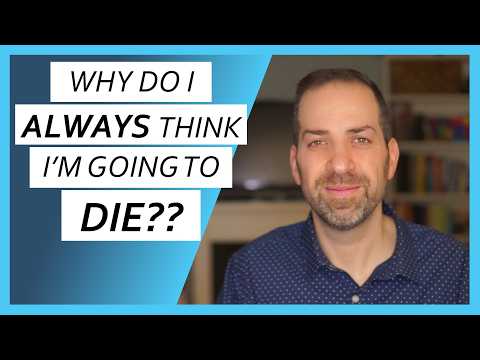
Hey there! You know, it’s super common to worry about your health. Like, really common. I mean, who hasn’t Googled a symptom and suddenly felt like they were on the brink of something catastrophic?
Health anxiety can sneak up on you. One minute you’re feeling fine, and the next you’re convinced that a simple headache means something’s seriously wrong. It’s wild how our minds can create chaos out of thin air!
But here’s the thing: you’re not alone in this. A lot of people struggle with these fears, and there are ways to tackle them. So let’s chat about some strategies that might help clear that mental fog and bring back your peace of mind. Sound good?
Understanding the Triggers of Health Anxiety: Causes and Insights
Health anxiety, or the fear of having a serious illness despite no or minimal medical evidence, can be super overwhelming. It’s like your mind just takes off with worries that something is really wrong with you, and no amount of reassurance seems to help. So what are the things that trigger this kind of anxiety? Let’s break it down.
Past Experiences play a big role. If you’ve had a health scare before—like a family member getting sick or even a minor medical issue that spiraled out of control—your brain might link normal bodily sensations to something much worse. Like, if your stomach hurts after eating, you might jump to thinking it’s appendicitis instead of just too much pizza.
Sometimes it’s the media and environment. You know those stories online about someone who had this crazy illness? Well, they can really mess with your head. Constant exposure to health-related news can amplify fears and make you hyper-aware of how your body feels. You see one article about stomach cancer, and then every ache feels like a sign.
Another factor is perfectionism. If you’re someone who tries to control everything in life, including your health, any little change in how you feel can send you into a tailspin. You start thinking that if you’re not completely healthy all the time, then you’re failing somehow.
Also, social influences can be powerful triggers. If people around you are talking about their health issues constantly or sharing their worries on social media, it may lead you to start feeling anxious about your own well-being too. It’s like an emotional contagion—you catch their fear.
Finally, let’s not forget biological factors. Some people might have a genetic predisposition for anxiety disorders which makes them more prone to health anxiety specifically. If anxiety runs in your family—or even mild anxiety—it could stack the odds against you when it comes to worrying about diseases.
So basically, triggers for health anxiety can come from everywhere: personal history, external media influences, perfectionist tendencies in yourself and what others project onto you—a real mixed bag! Recognizing what sets off these feelings is key in understanding how to manage them better!
Effective Treatments for Health Anxiety: A Comprehensive Guide
When it comes to health anxiety, sometimes called hypochondria, it can feel like you’re riding a rollercoaster of worry. You know the feeling—you wake up with a headache and suddenly think you have something serious. It’s, like, super stressful! But there are ways to tackle that anxiety. Here’s how you might find relief.
Cognitive Behavioral Therapy (CBT) is one of the most effective treatments for health anxiety. It’s all about changing negative thought patterns. Think of it as having a conversation with yourself—only this time, you’re the coach pushing back against those “what if?” thoughts. A therapist can help guide you through this process, allowing you to spot irrational fears and replace them with more realistic ones.
Another great strategy is exposure therapy. This involves facing your fears in a controlled way. If you’re afraid of getting sick, you might expose yourself to certain triggers gradually. Start small—maybe reading about common illnesses—and work your way up from there. It’s all about desensitizing yourself to the thought of being unwell.
Mindfulness and relaxation techniques? Definitely worth trying too! These practices can help ground you when anxiety starts creeping in. Things like deep breathing or mindfulness meditation can lower your stress levels, making it easier for you to cope with intrusive thoughts about your health.
Now let’s talk about lifestyle changes. Seriously, they can make a huge difference! Simple things like a balanced diet and regular exercise can improve your overall well-being. When your body feels good, your mind tends to follow suit. Plus, engaging in hobbies or spending time with friends can keep your mind off those pesky worries.
If these options don’t quite cut it for you and the anxiety feels overwhelming, medications may be an option worth discussing with a healthcare professional.
, for example, might help balance things out if combined therapies aren’t enough.
Sometimes just understanding what health anxiety is helps too! Learning that it’s common; many people experience similar fears makes it feel less lonely and isolating. Knowledge truly is power!
In short: tackling health anxiety isn’t always easy but there are effective treatments out there that can help put things into perspective again. You’ve got support options—reach out when you need to! And remember: worrying won’t change reality; finding ways to cope will.
Health anxiety can be a pretty overwhelming experience. You know how it is; one minute you’re just going about your day, and the next, a little twinge or a cough makes you spiral into thoughts of worst-case scenarios. I remember once feeling a slight pain in my chest after overdoing it at the gym. Instead of thinking, «Oh, I just worked out too hard,» I went straight to imagining all sorts of medical dramas. It’s wild how our minds can flip from chill to panic in like, two seconds.
So, what’s going on here? Well, health anxiety often comes from the fear of losing control, or even worse, not knowing what’s happening with your body. It’s like you’re constantly on alert, trying to decipher every little signal your body sends out. But this hyper-awareness can backfire. Often you end up feeling more anxious rather than getting any answers or relief.
A commonly overlooked aspect is how our thoughts trick us into spiraling deeper into that anxious state. When you start researching symptoms online—no good ever comes from that—you can fall into this rabbit hole where suddenly every site confirms you’re possibly dying from something obscure and terrifying! And let me tell you: that’s no fun.
Psychologically speaking, learning ways to manage those anxious thoughts can really help bring some peace back into your life. Cognitive-behavioral techniques can be particularly useful here. The basic idea is to recognize those distorted thoughts and challenge them—like questioning if that new headache means you have a brain tumor or if it’s just tension from stress.
Mindfulness practices also play an essential role in overcoming health anxiety. Taking a moment to breathe deeply and ground yourself in the present can change everything. Seriously! Just focusing on your breath for even two minutes can help calm that racing heart and pull you back from the edge.
And let’s not forget about talking to others—whether it’s friends who get it or professionals who have seen it all before. Sharing what you’re experiencing with someone else lightens the load tremendously!
The journey toward overcoming health anxiety isn’t a sprint; it’s more like a slow walk through uncharted territory—sometimes scary but sometimes really freeing when you realize you’ve come further than you thought possible. Everyone’s path looks different; some days are harder than others and that’s okay too.
What matters is being gentle with yourself as you learn new ways to cope with those nagging worries about health while also recognizing that it’s perfectly normal to feel anxious sometimes—it doesn’t mean you’re anything less than human!