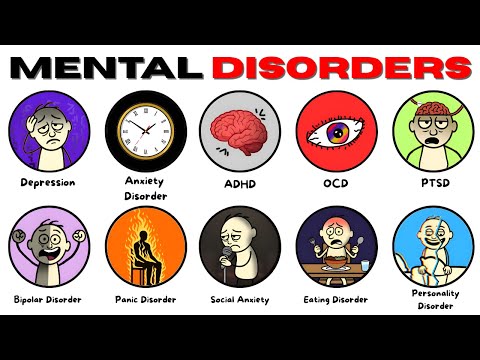
You know those days when everything feels heavy? Like you’re stuck under a weight that just won’t budge? Yeah, I’ve been there.
Depression and anxiety can hit you like a freight train. One minute you’re fine, and the next, you’re questioning everything about life. It’s exhausting.
But here’s the thing: psychology has some interesting ways to help us lighten that load. There are real techniques out there that can shift your perspective and ease the struggle.
It’s not about fixing everything at once, though! More like finding little moments of relief to help you breathe easier. So let’s chat about some ideas that might just make things a bit brighter for you. Sound good?
Understanding the Role of Psychologists in Alleviating Anxiety and Depression
Psychologists play a crucial role in helping people manage anxiety and depression. It’s not just about talking things over; it’s like having a toolkit filled with various methods and strategies to help you feel better. So, let’s break down how they assist in this journey.
First off, **psychologists are trained to understand the mind**. They dive deep into your thoughts and feelings. When you’re feeling anxious or down, they can help identify patterns that might be causing these feelings. It’s sort of like shining a flashlight on areas of your mind that may be dark or confusing.
One key method they use is therapy. There are different types of therapy, but let’s focus on two popular ones: Cognitive Behavioral Therapy (CBT) and talk therapy. With CBT, psychologists help you challenge negative thoughts. For example, if you often think, «I can’t do anything right,» they’ll encourage you to reframe that thought to something like, «I’m learning and improving every day.» This shift helps reduce anxiety over time.
Talk therapy is another approach where you can share your feelings openly. Imagine sitting in a comfy chair, chatting with someone who really listens. It’s not about giving advice but rather creating space for you to express yourself and feel understood.
Another essential aspect psychologists address is coping mechanisms. They teach healthy ways to manage stress and anxiety when it strikes. This could include relaxation techniques or mindfulness practices—like deep breathing exercises or even meditation exercises—that can ground you when everything feels overwhelming.
Let’s put this into perspective with an example. Say you’re anxious about giving a presentation at work. A psychologist might help you break down that fear into smaller pieces: practicing your speech out loud, visualizing success, or even developing a mantra to repeat before speaking. These strategies turn that daunting task into something more manageable.
Support doesn’t stop at therapy sessions. Many psychologists also suggest resources for practicing skills outside the office—like journaling thoughts or keeping track of moods throughout the week. This ongoing support creates a sense of accountability and encourages progress beyond appointments.
Another point worth mentioning is the importance of building resilience through therapy. You know how some people bounce back quickly from challenges? Well, psychologists work with clients to strengthen this resilience muscle so that when life throws curveballs—be it stress at work or personal setbacks—you have better tools in place to handle them without sinking back into anxiety or depression.
And believe me when I say that everyone’s journey is unique! What works for one person may not work for another. That’s why a psychologist will collaborate with you on finding the right approach tailored just for your needs—making it feel personalized instead of one-size-fits-all.
In summary, psychologists play an integral role in alleviating anxiety and depression through various methods like therapy techniques and coping strategies while providing ongoing support tailored specifically for each person’s journey towards healing and well-being. Feeling anxious or depressed isn’t just about what happens inside your head; it often spills over into your everyday life too—and navigating through those feelings can be tricky without guidance.
So if you’re ever feeling overwhelmed by anxiety or sadness—and hey, we all do sometimes—remember there are professionals ready to light up paths toward relief!
Exploring Effective Psychological Approaches to Treating Depression
Depression can feel like a dark cloud hovering over you, making everything seem heavy and uninviting. It’s tough, isn’t it? But the good news is that psychology offers a bunch of effective approaches to help manage and treat it. Let’s break down some of these methods, shall we?
Cognitive Behavioral Therapy (CBT) is one of the most well-known treatments for depression. The idea behind CBT is simple. It helps you identify negative thought patterns and replace them with healthier ones. For instance, if you catch yourself thinking “I’m worthless,” CBT encourages you to challenge that thought—maybe you’ve accomplished something recently or helped a friend. A small shift in thinking can make a big difference.
Another approach is Interpersonal Therapy (IPT). This focuses on improving your relationships and social functioning in order to reduce your symptoms. Sometimes, feeling isolated is part of what brings on the blues. By working on communication skills or addressing conflicts with loved ones, you can find more support—and that makes it easier to cope.
Then there’s Mindfulness-Based Cognitive Therapy (MBCT), which mixes mindfulness practices with cognitive therapy strategies. You know those moments when your mind just races and spirals? MBCT helps anchor you in the present moment, making it easier to manage those overwhelming thoughts. It’s like training your brain to hit pause when everything feels chaotic.
Don’t forget about Behavioral Activation. This method encourages you to re-engage with activities that once brought joy or satisfaction but may have been abandoned due to depression. Like picking up an old hobby or going for a walk can be huge! Even just getting out of bed and moving around can change up your mood a bit.
In some cases, medication might be part of the conversation too—like antidepressants—that help balance chemicals in the brain associated with mood regulation. But remember, this usually works best alongside a psychological approach.
So here are some key points for treating depression:
- Cognitive Behavioral Therapy (CBT): Changing negative thoughts.
- Interpersonal Therapy (IPT): Improving relationships.
- Mindfulness-Based Cognitive Therapy (MBCT): Staying present.
- Behavioral Activation: Re-engaging with enjoyable activities.
- Medication: Balancing brain chemistry if needed.
Finding what works for you can take time—it’s not one-size-fits-all, but these approaches have helped many people navigate through their struggles with depression and anxiety. And hey, sometimes just talking about it openly with friends or family creates space for healing too!
Navigating Recovery: Understanding Your Rights and Options for Anxiety and Depression
Navigating recovery from anxiety and depression can feel like walking through a maze, right? You’ve got options, rights, and a bunch of resources at your disposal. It’s important to know that you’re not alone in this journey.
Your Rights
First off, let’s chat about your rights. If you’re dealing with anxiety or depression, you’ve got certain protections under the law. For instance:
- Confidentiality: Your mental health information is yours to keep private, which means professionals can’t just spill the beans without your consent.
- Access to Care: You have the right to get mental health care when you need it. This includes therapy sessions, medication management, or any other treatment options.
- No Discrimination: Employers can’t treat you differently because of your mental health status. That’s a big deal! You deserve equal opportunities and fair treatment.
Knowing these rights can help give you some power as you go through recovery. You’ve got the ability to advocate for yourself!
Your Options
Now let’s move on to options. There are quite a few paths you can take in finding relief from anxiety and depression:
- Therapy: This might be talking to a psychologist or counselor who can help you make sense of what you’re feeling. Different types of therapy suit different people—like Cognitive Behavioral Therapy (CBT), which focuses on changing negative thought patterns.
- Medication: Sometimes medication can help balance things out when your brain feels like it’s running on empty. It’s worth chatting with a psychiatrist about this option if you’re open to it.
- Lifestyle Changes: Although it might sound cliché, exercise and good nutrition can make a huge difference! A simple daily walk outside can uplift your mood—seriously!
- Support Groups: Talking with others who get what you’re going through can be comforting. These groups provide that sense of connection that often makes facing tough times easier.
So yeah, exploring these options isn’t just about ticking boxes; it’s about finding what truly works for YOU.
Anecdote Time
I remember this friend of mine who struggled with anxiety for years but didn’t seek help until it got overwhelming. He finally reached out for therapy and discovered CBT was exactly what he needed! Slowly but surely, he started opening up about his thoughts rather than hiding them away—and wow, his perspective shifted completely. Just goes to show how reaching out really does lead somewhere good!
Navigating Your Journey
Navigating recovery isn’t always smooth sailing—it might feel messy at times! And that’s totally okay! Some days will be harder than others. The key is being patient with yourself while remembering that it’s all part of the process.
If something doesn’t work for you right away, don’t get discouraged. Recovery is often non-linear—it may twist and turn unexpectedly. But knowing your rights and options helps equip you for what lies ahead.
In summary? Be proactive about seeking support and understanding what’s available to you while reminding yourself that feeling better takes time—and that’s perfectly alright!
You know, dealing with depression and anxiety can feel like being trapped in a heavy fog that just won’t lift. It’s like every day is a wrestling match with your own mind. I remember once talking to a friend who’d been feeling this way for a while. She described it as waking up in the morning and just feeling… nothing. No excitement for the day ahead, no energy to do even the simplest things. It’s tough, you know?
Psychology offers some pretty interesting ways to tackle these feelings, though. For starters, it helps you understand what’s going on in your head. Like, why do certain things trigger your anxiety? Or why does that wave of sadness wash over you when you least expect it? You start identifying patterns and realizing you’re not alone in this struggle.
Cognitive Behavioral Therapy (CBT) is one approach that pops up often. Basically, it’s about changing negative thought patterns into more positive or realistic ones. It can be a game changer—like flipping a switch that finally lets some light into that foggy room. You might discover your inner critic has been way too loud and unkind.
And then there’s mindfulness—a fancy term for just being present in the moment without judgment. It’s surprising how zoning into your breathing or the sensations around you can shift your mindset! I remember when my friend tried mindfulness exercises; she said it felt strange at first but gradually began to help her find moments of peace amid chaos.
But hey, everyone’s journey is different! What works wonders for one person might not resonate with another at all. That’s where personalization comes into play; psychology can adapt to fit you like a glove instead of trying to shove you into a standard mold.
Sometimes it’s all about finding those small pockets of relief—little victories against the storm inside your mind. It could be engaging with art, chatting with friends who really get it, or even discovering new hobbies that spark joy again.
So yeah, while managing depression and anxiety isn’t straightforward—it takes time and patience—psychology shines as a guiding light through the murky waters of mental health. And knowing there are tools out there can break down those walls we often build around ourselves when we’re struggling.