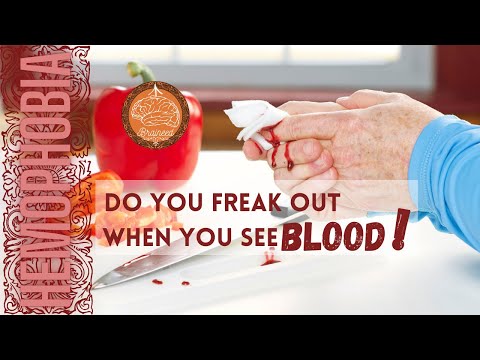
You know that feeling when you see a needle coming your way? Heart racing, palms sweaty, and you just want to bolt. That’s hemophobia for you—fear of blood.
It sounds wild, but a lot of people experience it. It’s not just about being squeamish; it digs way deeper than that.
So, let’s chat about where this fear comes from and how it messes with your head. There are some interesting layers to peel back, like what happens in our brains and bodies when we face this phobia.
Trust me, understanding hemophobia might change the way you or someone you care about deals with it. It’s all about facing those fears head-on—and yeah, it can be a bit of a ride!
Understanding the Psychological Responses Associated with Fear: Insights and Implications
Fear is such a wild emotion, isn’t it? It sneaks up on you and sometimes makes you feel like you’re losing control. In this case, let’s zero in on hemophobia, which is the fear of blood. It’s not just about feeling squeamish—this fear can stir up some serious psychological responses that are really fascinating if you think about them.
When someone with hemophobia sees blood or even thinks about it, their body goes into overdrive. You might start sweating, your heart races, or you feel like you’re about to pass out. This all happens because of something called the **fight-or-flight response**. Your brain sends signals that there’s danger, even if logically there isn’t any.
In terms of psychological roots, hemophobia often develops from past experiences. Let’s say someone had a traumatic experience as a kid—maybe they had a bad cut or saw someone else hurt. That kind of event can stick with you and might create an association between blood and danger, leading to an intense fear reaction later in life.
And it doesn’t just stop at feeling scared! People with hemophobia may go out of their way to avoid situations where they might encounter blood, like medical appointments or certain movies. This avoidance can seriously limit their lives.
Here are some key points about the responses tied to hemophobia:
- Physical Response: Heart racing, sweating, nausea—the body reacts as if there’s real danger.
- Cognitive Response: Thoughts spiral out of control; you might think something terrible will happen.
- Emotional Response: Intense feelings of panic or dread hit hard when faced with blood.
- Avoidance Behavior: Steering clear of situations that could involve blood can affect daily life.
It’s interesting how our minds work in these situations! The emotional response often feels overwhelming because fear is super primal—it taps into our basic survival instincts.
Now let’s talk about implications for folks dealing with hemophobia. If you know someone grappling with this fear (or you’re experiencing it yourself), understanding these responses is key. Recognizing what’s happening in your body and mind can be the first step toward managing those feelings.
For instance, breathing exercises or grounding techniques can help when panic strikes. It helps remind your brain that it’s okay and that the threat isn’t real—instead of facing an actual danger.
So yeah, understanding fears like hemophobia gives us insights into how powerful our brains are! If we take time to unpack this stuff and recognize those specific responses we have when confronting something scary (like blood), we can find ways to cope better when those overwhelming moments creep in.
Understanding the Root Causes of Blood Phobia: Unpacking the Fear and Its Origins
So, blood phobia, or hemophobia as it’s scientifically called, is one of those fears that can really shake things up for people. You know when you’re just sitting there and someone mentions blood, and suddenly you feel like your heart’s racing? Yeah, that’s Hemophobia.
The roots of this fear can be pretty complex. It doesn’t just pop out of nowhere. For many, it may start in childhood—like when they had a bad experience related to blood. Picture this: a kid accidentally cuts themselves while playing. Instead of just a small scrape, there’s blood everywhere! That child might associate that overwhelming fear with blood for years to come.
But it isn’t always tied to personal experiences. Sometimes it’s more about learned behaviors. Maybe a parent or sibling reacted strongly to blood-related situations. If you saw someone close to you fainting at the sight of a drop of blood or frantically leaving the room, your brain picks up on that. You could end up developing a similar fear without even realizing it.
Additionally, cognitive aspects play a huge role here. People with hemophobia might have distorted thoughts about what seeing blood means. Instead of viewing it as something normal and often harmless—it’s just part of life, right?—they might believe that seeing blood equals danger or even death! This kind of thinking can make the fear much worse.
For some folks, there are also biological factors at play. Genetics can influence how we respond to certain stimuli; if someone in your family has anxiety issues or specific phobias, you might be more prone to developing hemophobia yourself.
And then there’s this thing called vasovagal syncope, which is basically fainting caused by stress or sight of something scary—like blood! It’s super common among those with hemophobia. The body goes into fight-or-flight mode at the thought of encountering blood and overreacts by causing fainting spells.
It’s important to know that these fears aren’t just “in your head.” They really affect how people live their lives. Imagine needing medical help but feeling paralyzed by the fear of seeing any needle or drop of red liquid—it can be tough!
So what do you do if you find yourself facing this kind of phobia? Well, confronting it head-on is key; gradually exposing yourself in safe situations could help desensitize the fear over time. For example, looking at pictures or videos related to blood gradually may be useful for some people.
Overall, hemophobia is deeply rooted; understanding its origins helps clarify why folks react so strongly around anything related to blood! It’s like peeling an onion—there are layers upon layers waiting to be explored so we can better grasp our emotions and fears surrounding this natural part of life.
Understanding Hemophobia Symptoms: Recognition and Management Strategies
Hemophobia, which is the intense fear of blood, can really shake someone up. If you or someone you know deals with this fear, it’s important to recognize the symptoms and think about some ways to manage them. Let’s break it down.
First off, the symptoms of hemophobia can vary a lot from person to person. Some common signs include:
- Physical Reactions: This can range from sweating and shaking to dizziness or even fainting when you see blood.
- Anxiety: Feelings of panic might hit hard at the sight of blood. Your heart races, breathing gets quicker, and it can feel overwhelming.
- Avoidance Behavior: You might go out of your way to avoid situations where you could encounter blood—like skipping medical appointments or certain movies.
You know, I once heard a story about someone who would literally leave the room during a TV show if a character got hurt and there was even a hint of blood. That’s how deep this fear can run for some people!
The roots of hemophobia often tie back to past experiences or even learned behaviors. Maybe there was an incident in childhood involving blood that left a lasting impression. It’s kind of like your brain sets up these emergency alarms that get triggered whenever you see something red and juicy! This learned response makes sense but dealing with it isn’t always easy.
So how do people manage this fear? Here are some strategies that might help:
- Gradual Exposure: Trying to slowly face things related to blood in safer environments can help lessen the fear over time. Maybe start with pictures and work your way up.
- Relaxation Techniques: Breathing exercises, mindfulness, or yoga can create a calm space in your mind when anxiety creeps up.
- Cognitive Behavioral Therapy (CBT): Talking to a professional about how you think about blood can really help change those automatic reactions.
If these techniques sound familiar but haven’t worked for you yet, don’t get discouraged! It’s totally normal for everyone’s journey through this kind of fear to be unique. Just because something works great for one person doesn’t mean it will for another—and that’s okay!
The key takeaway is that acknowledging hemophobia is a huge first step toward managing it effectively. Y’know? With the right tools and support, anyone can learn to navigate through their fears one day at a time. You got this!
So, let’s talk about hemophobia—the fear of blood. It’s one of those things that can really trip us up, you know? Picture a friend of yours getting a tiny paper cut and then totally freaking out because they see a drop of blood. You might think, “Come on, it’s just a little blood!” But for them, it’s no small deal. It can feel like their entire world is crashing down.
The roots of hemophobia can go deep. Maybe there was a childhood experience that was super traumatic—a parent fainting at the sight of blood or even watching something on TV that just stuck with them. This kind of fear often develops through learned behaviors or even just seeing how others react in scary situations. The brain picks up on this stuff and files it away under “danger.” So when they see blood, their mind goes, “Alert! We’re in trouble!”
Responses to this fear can vary so much. Some people might avoid situations where they think there might be blood—like skipping the doctor’s appointments or avoiding hospitals altogether. Others could react with panic attacks or dizziness when faced with the real thing. It’s pretty wild how our minds can trigger such intense physical responses to something that’s not actually threatening in that moment.
I remember hearing about someone who had hemophobia and would freak out every time they got a scratch while hiking. They would have to sit down and take deep breaths to calm down because their heart would race like crazy! It was all about that instinctive reaction taking over.
Dealing with hemophobia isn’t easy, but knowing where it comes from helps you understand it better—a bit like shining a light into dark corners. Talking about fears openly—maybe with friends or even in support groups—can really help lessen some of those anxious feelings. Little by little, facing those fears can make them seem less daunting.
So if you’ve ever felt that twinge of panic at the sight of blood—or know someone who has—it’s more common than you’d think! Just remember, our brains have strange ways of handling fear sometimes; acknowledging it is definitely the first step toward managing it better.