You know how sometimes you just can’t shake that feeling of wanting more from life? Like, no matter how much you achieve, it’s like something’s still missing?
Well, that’s where the needs hierarchy model comes into play. It’s a way to understand what drives us as humans. Seriously, it’s like peeling an onion—layer by layer, you discover what really matters.
This theory was crafted by Abraham Maslow, and it lays out our needs in a sort of pyramid shape. Sounds simple enough, right? But trust me, it gets pretty interesting when you dive deeper.
In this piece, we’ll explore how these needs connect to everything from your daily mood to your big life goals. And who knows? You might just find some answers about why you do what you do!
Understanding the Psychological Foundations of Maslow’s Needs Hierarchy: Downloadable PDF Guide
Maslow’s Hierarchy of Needs is one of those concepts that just sticks with you. You know what I mean? It’s like the psychological version of a map; it shows us where our needs fit in this big puzzle called life. So, let’s break it down a bit, shall we?
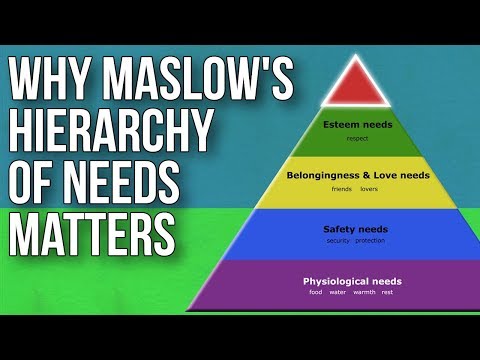
Firstly, Maslow proposed that human needs are organized in a hierarchy, typically presented as a pyramid. At the base, you’ve got the most basic requirements for survival. As you move up, you get to more complex needs—think of it as climbing a ladder where each rung represents something essential for your growth and well-being.
At the bottom of this pyramid are the **physiological needs**. These include things like food, water, warmth, and rest. Imagine being super hungry after a long day at work; all you can focus on is getting something to eat! When these physiological needs aren’t met, it’s really hard to think about anything else.
Next up are **safety needs**—this is about feeling secure in your environment. Whether that means having a steady job or living in a safe neighborhood, when this layer is shaky, anxiety tends to creep in. It’s like trying to build a sandcastle on wet sand; it just doesn’t hold up well.
Onward we go! The next rung pertains to **social needs**, which are all about connection and belongingness. Humans are social creatures—we crave relationships with friends and family. Think about how great it feels to hang out with people who get you! When these social bonds are strong, life feels richer.
Now comes something even deeper: **esteem needs**. Here we’re talking self-esteem and recognition from others. It’s that sense of accomplishment when you nail a presentation or get praise from your boss—it boosts your confidence! If you think back to moments when someone acknowledged you for your hard work, you’ll remember how uplifting that was.
Finally, at the top of this hierarchy sits **self-actualization**—achieving one’s full potential and personal growth. This isn’t just about doing well; it’s an ongoing journey towards fulfilling your personal dreams and aspirations. Picture an artist finally finishing their masterpiece after years of hard work—that’s self-actualization right there!
So what’s important here? Maslow’s model suggests that higher-level needs become relevant only after lower-level needs are satisfied. You can’t really focus on becoming the best version of yourself if you’re still worrying about where your next meal is coming from!
Understanding this hierarchy provides valuable insight into our motivations and behaviors throughout different stages of life. For example:
In essence, Maslow’s Hierarchy helps explain why some people seem stuck while others thrive—they might be operating on different levels altogether!
To sum up: Maslow’s Needs Hierarchy isn’t just some dusty old theory; it’s like having a framework for understanding what drives us at various points in life. So next time you’re feeling out of sorts or unsure about your goals, take a look at where you might stand on Maslow’s pyramid—it’s pretty enlightening!
Exploring the Psychological Foundations of Maslow’s Hierarchy of Needs: A Comprehensive Example
Alright, so let’s jump into Maslow’s Hierarchy of Needs, which is kind of a big deal in psychology. Basically, Abraham Maslow, a psychologist back in the 1940s, came up with this model to explain why people do what they do. It’s like a roadmap for our motivations, showing how we prioritize our needs.
At the base of this hierarchy are the physiological needs. These are the basics—the stuff we need to survive: food, water, shelter. Imagine you’re super hungry and haven’t eaten all day; you’re probably not thinking about your next career move or what movie to watch. You just want pizza! See? That’s how strong these basic needs can be.
Once those are sorted out, we move up to safety needs. This isn’t just about physical safety; it also includes financial security and health. Think about it: if you don’t feel safe in your job or your home, it’s hard to focus on anything else. Like when I was living in a sketchy neighborhood—definitely not free to enjoy life when you’re worried every time you hear a noise!
The third level is all about love and belonging. Humans are social creatures, right? We crave connections—whether it’s romantic love or friendships. Picture this: you get dumped by your partner during college finals—yikes! It’s tough because you’re dealing with heartbreak while trying to study. Those feelings of loneliness can hit really hard.
After you’ve got some social ties, things shift toward esteem needs: self-esteem and respect from others. This one’s huge! You want recognition for your achievements and to feel valued by those around you. There I was at work feeling proud after completing a big project; then my boss gives me that thumbs-up instead of crediting me for my effort. Total buzzkill!
The pinnacle of this hierarchy is self-actualization, which is all about reaching your full potential. Everyone has something they’re passionate about—like art or music or even starting a business! Picture someone who decides to quit their 9-to-5 job because they want to pursue their dream of being an artist—it takes guts! But hey, if those other needs are met first, they will probably give it a much better shot.
This whole structure makes sense as you think about how people progress through these stages based on their life experiences and circumstances. Life isn’t always straightforward though; sometimes challenges push us down the hierarchy again! You might get laid off during an economic downturn (hello safety concerns!), even if you’ve felt stable before.
In summary, Maslow’s Hierarchy shows us that our motivations change depending on where we stand with these various needs in life. It reminds us that understanding ourselves can lead us toward more fulfilling lives—you know? So next time you’re feeling stuck or unmotivated, maybe take a step back and see which part of that pyramid feels shaky for you!
Understanding Maslow’s Hierarchy of Needs: A Comprehensive Guide to Its Applications and Implications
Understanding Maslow’s Hierarchy of Needs is one of those classic concepts in psychology you’ve probably heard about. It’s like a roadmap to understanding what drives human behavior. So, let’s break it down in a straightforward way.
Maslow’s Hierarchy of Needs is often depicted as a pyramid with five levels. Each level represents different human needs, and you typically need to fulfill the lower levels before you can focus on the higher ones.
- Physiological Needs: These are your basic survival needs. Think food, water, shelter, and sleep. If you’re starving or freezing, it’s hard to think about anything else.
- Safety Needs: Once your physical needs are met, safety comes next. This includes personal security, health, and financial stability. You know that feeling when you lock your door at night? That’s about safety.
- Love and Belongingness Needs: Humans crave connections! This level involves friendships, family bonds, and romantic relationships. Remember that time when you felt really alone? Yeah, that was your need for connection yelling at you.
- Esteem Needs: Here we’re talking self-esteem and respect from others. It’s like getting compliments or achieving something important to you. If you’ve ever felt proud after completing a goal—boom! That’s esteem.
- Self-Actualization Needs: This is the big one—becoming your best self and realizing your potential. It includes pursuing creativity, personal growth, or even spirituality. Picture yourself achieving a dream; that’s self-actualization in action!
The idea is pretty simple: You can’t climb higher on the pyramid until you’ve taken care of what’s below.
Now let’s talk about some real-life applications of this hierarchy! Companies use this model to improve employee satisfaction. For instance:
- If workers feel unsafe (like in an unstable job), they’ll be less productive because their focus is on finding security.
- A strong team culture can help satisfy those love and belongingness needs—think team outings or supportive environments!
- Acknowledging individual achievements can boost esteem as well; it shows employees they matter.
But everything isn’t perfect either; some people might prioritize their needs differently based on personal experiences or cultural influences.
Context matters! For example:
- A person in a war-torn country might prioritize safety above all else even though food is scarce.
- Cultural factors can change how we perceive love and belonging—some cultures have stronger community ties than others.
In short, Maslow’s Hierarchy isn’t just an abstract theory; it plays out in daily life everywhere from workplaces to personal relationships. So next time you’re feeling off or unfulfilled, maybe take a moment to check which level you’re stuck on! You might just find out what steps you need to take next for a little more balance in life.
You know how sometimes you just feel like something’s missing in your life? Like, you’ve got a roof over your head and food in the fridge, but there’s still this nagging sense that you need more? That’s where the whole needs hierarchy model comes into play. It’s all about understanding what drives us as humans and how we prioritize our wants and needs.
So, let me break it down. This model, proposed by Abraham Maslow back in the day, suggests that our needs can be organized in a sort of ladder. At the bottom, you’ve got basic stuff like food and safety—these are called physiological needs. As you climb up, you encounter social needs like love and belonging. Then there’s self-esteem on another rung and finally self-actualization at the top. That last one is all about reaching your full potential, like when you finally get that promotion or write that novel you’ve been dreaming about.
Now picture this: You’re sitting at a café with a friend who just landed their dream job. You might feel inspired, sure! But maybe you’re stuck in a rut at a job that doesn’t fulfill you. The psychological aspect here is interesting because it shows how personal fulfillment can influence your happiness levels. You might have all the basics covered but still feel unfulfilled if you’re not tapping into those higher-level needs.
It’s also important to remember that not everyone’s hierarchy looks exactly the same; some folks might prioritize social connections over career accomplishments or vice versa. Life experiences can shift our focus too—like if you grew up feeling unsafe or unloved, you’ll likely place more importance on those foundational needs before worrying about climbing higher.
And let’s talk about context for a second! When we look globally or historically, it’s clear that culture plays a big role in shaping these needs as well. For instance, in some cultures, community may come before individual success; people work together toward common goals rather than solely chasing personal achievements.
In short, this hierarchy provides a framework for understanding why we do what we do based on our fundamental needs. It’s not just theoretical mumbo jumbo; it reflects real-life situations and emotions we experience every day! So next time you’re feeling off-kilter or unfulfilled—maybe take a step back to assess where you’re hanging out on Maslow’s pyramid! It could lead to some enlightening reflections about what really drives you forward.