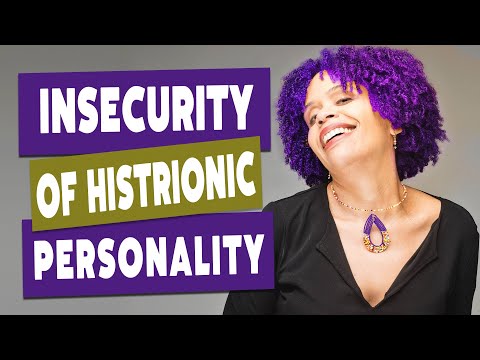
You know that friend who always seems to be the center of attention? The one who’s larger than life, making every moment seem like a scene right out of a movie? Well, that vibe can sometimes point to something called histrionic personality traits.
It’s not just about being dramatic or overly charming. There’s a whole spectrum here, and it can get pretty interesting. Seriously! People with these traits often crave attention, sometimes in ways that can surprise you.
Imagine someone who’ll dress flamboyantly just to get noticed, or tell stories that could easily win an Oscar for best drama. It might make you laugh or even scratch your head in confusion. But what’s really going on behind those flashy behaviors?
Let’s break it down together and see what’s under the surface!
Understanding the Triggers of Histrionic Behavior: Key Factors and Insights
Understanding the triggers of histrionic behavior can really shine a light on why some people act the way they do. Histrionic Personality Disorder (HPD) is characterized by excessive emotionality and attention-seeking behaviors. So, let’s break it down into some key factors that might trigger these traits.
First off, environmental influences play a huge role. For example, if someone grows up in a family where attention is given primarily to the most dramatic or emotional member, they might learn that being overly expressive is the best way to get noticed. Like when you’ve seen a child throw a tantrum to get what they want; it’s kinda similar in adult relationships.
Another big factor is biological predispositions. Some studies suggest that genetics might play a part in developing personality traits linked to HPD. If someone has relatives who display similar behaviors, there could be an inherited tendency toward emotional expression or sensitivity. Imagine looking like your uncle and having his flair for the dramatic, right?
Cultural factors can also shape these behaviors. In cultures that celebrate flamboyant expressions of emotion or put a premium on social status based on appearance and charisma, people might feel pressured to embody those traits—like actors in a constant performance.
Now let’s talk about emotional needs. Individuals with histrionic tendencies often have an intense need for approval and reassurance from others. When those needs aren’t met or acknowledged, they may resort to exaggerated actions for attention. Think of someone who always feels overlooked at work; they might start dressing more provocatively or sharing overly personal stories just to be in the limelight.
Then there’s trauma or neglect in early life experiences which can contribute significantly too. For folks who were not consistently validated as children, acting out later seems like a way to ensure their feelings are recognized, you know? It’s like yelling “Hey! Look at me!” when you felt invisible before.
Lastly, few social situations can serve as triggers as well. Being in highly competitive environments—like certain workplaces or social circles—can amplify histrionic behaviors since individuals may feel they need to stand out more than anyone else just to keep up with expectations.
In summary, understanding what triggers histrionic behavior often involves looking at environmental influences, biological factors, cultural norms, emotional needs, early life experiences with trauma or neglect, and specific social contexts all intertwined together. It’s not just one thing—it’s really about how all these elements blend into someone’s personality over time!
Exploring the 6 Types of Histrionic Personality Disorder: Characteristics and Insights
Histrionic Personality Disorder (HPD) is one of those topics that can sound pretty intense, but let’s break it down together. Basically, HPD is all about a pattern of excessive emotionality and attention-seeking. If you or someone you know fits this mold, there are several key characteristics to keep in mind.
1. Dramatic Emotional Expressions: People with HPD often display their emotions in an exaggerated way. Like, imagine someone reacting to a minor inconvenience as if it were the end of the world! This over-the-top emotional response can sometimes mask deeper issues.
2. Constant Need for Attention: There’s this relentless drive for approval and attention from others. Picture someone who always tries to be the center of conversation or makes every event about them. It can be exhausting for both them and those around them!
3. Shifting Emotions: Their mood can change rapidly, which can confuse friends and family. One moment they’re ecstatic, then suddenly they feel ignored or sad if they think they’re not getting enough attention.
4. Inappropriately Seductive Behavior: Some folks with HPD tend to act flirtatiously or provocatively in social situations, even when it’s not appropriate. This could range from dressing in an overly revealing way to making comments that seem out of context.
5. Suggestibility: This means they might be easily influenced by others’ opinions or current trends. They may quickly adopt new ideas or attitudes simply because they perceive them as popular or appealing at the moment.
6. Preoccupation with Appearance: There’s often a strong focus on physical appearance and being attractive to others. You might notice that they spend a lot of time and energy on their looks, sometimes at the expense of other important aspects of their life.
So why does all this happen? Well, researchers think it has roots in both genetics and upbringing—like maybe childhood experiences where attention was inconsistent or overemphasized emotional responses were rewarded.
Navigating relationships with someone who has HPD can be challenging since these behaviors are usually deeply ingrained. It’s like trying to dance with someone whose moves are unpredictable—fun but wild!
But remember, understanding these traits isn’t about labeling anyone; it’s more about recognizing patterns and figuring out how to communicate better with each other! After all, everyone deserves compassion—even when their behavior is less than ideal!
Exploring Self-Awareness in Histrionic Personality Traits: Insights and Implications
Self-awareness is a pretty interesting topic, especially when it comes to traits like those found in **histrionic personality disorder** (HPD). You know, people with these traits often crave attention and validation. They can be super dramatic and really good at turning the spotlight on themselves. So, let’s break down how self-awareness fits into this picture.
First off, what is self-awareness? It’s basically your ability to recognize your own emotions, thoughts, and behaviors. Think of it as looking in a mirror but not just seeing your reflection; you’re also understanding what that reflection means. For someone with histrionic traits, the self-awareness level can vary quite a bit.
When we talk about **self-awareness in histrionic traits**, it’s important to note that many individuals may not fully recognize how their behavior affects others. They often focus so much on getting attention that they might miss the bigger picture regarding their interpersonal relationships. This lack of awareness can lead to misunderstandings or conflicts with friends and family.
A good example might be someone who dramatically shares their troubles in social settings but doesn’t notice that their audience seems uncomfortable or disengaged. They might think they’re captivating everyone’s attention while others are either rolling their eyes or trying to escape the conversation. That’s kind of a classic case of missing the social cues because they’re so wrapped up in their need for validation.
Now, why does this matter? Well, understanding one’s emotional triggers is key for anyone, but especially for folks with HPD traits. If they could tap into that self-awareness more fully, it could lead to healthier relationships and maybe even help them feel more secure without needing constant external validation.
The implications here are pretty significant:
- Improved Relationships: With better self-awareness, individuals could learn how to communicate more effectively.
- Emotional Regulation: Recognizing intense emotions can help manage them instead of letting them dictate actions.
- Empathy Development: When you understand yourself better, you can start seeing things from other people’s perspectives.
Sometimes it helps if others are gently guiding or reflecting back those behaviors without judgment. Let’s say a friend points out that your stories always seem to center around your own experiences—if you can listen without getting defensive, that opens up a path toward growth.
The journey towards greater self-awareness isn’t always easy; it takes time and sometimes support from people who care enough to speak up. But hey, making strides in this area can really change the game for someone with histrionic traits! You get to strike a balance between being true to who you are while also considering how you fit into the world around you.
Ultimately, diving into **self-awareness** allows for personal growth and deeper connections with others—it’s like finding gold hidden under all that drama!
So, let’s talk about histrionic personality traits. You might’ve heard the term tossed around in conversations, but it’s a bit of a mouthful. And honestly, it can feel kind of heavy, but it’s interesting when you break it down.
People with histrionic traits often crave attention and can be super dramatic—like the friend who turns every story into an epic saga, even if the main plot is just a bad hair day. They’re all about the spotlight and may go to great lengths to keep it on them. There’s this desire to be liked and admired, which can lead to some pretty intense behaviors.
I remember a time when a friend of mine was going through a rough patch. To cope, she became extra animated in her stories, turning mundane events into melodramatic tales that drew everyone in. At first, we laughed along and gave her the attention she seemed to need. But as time went on, it started to feel a bit more like performance art than genuine conversation. It made me wonder if she was trying to cover up something deeper—like fear of being ignored or simply not being enough without that drama.
When someone displays these traits, you might notice they get upset when they’re not at the center of attention. It’s like their emotional universe revolves around being seen and validated by others. And that constant need for reassurance? It can leave relationships feeling one-sided or even exhausting over time.
But here’s something important: there are different shades to this behavior. While some may view these traits negatively, they often stem from underlying insecurities or past experiences that make people seek out validation in such extreme ways.
Understanding these behaviors doesn’t mean we excuse them; instead, it helps us approach situations with empathy. So next time you encounter someone with these traits, try to see what might be lurking beneath all that drama—they’re human too and likely just trying to navigate their emotions like everyone else does!