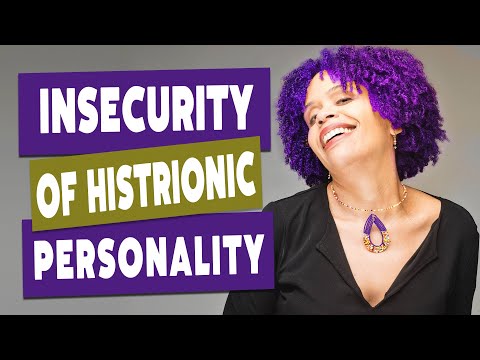
You know those people who just seem to light up a room? They’re charming, super expressive, and honestly, a little hard to ignore. Sometimes, though, that kind of charisma can mask something deeper—like Histrionic Personality Disorder (HPD).
Now, HPD isn’t just about being dramatic or attention-seeking. It can actually affect how someone thinks and feels about themselves and others. It’s like they crave the spotlight but often feel empty when it’s not on them.
Imagine a friend who always knows how to steal the show but struggles behind the scenes. It’s complicated, right? Understanding this disorder helps us see the person beneath all that flair—making it easier to connect on a more genuine level.
So let’s unpack this together!
Histrionic Personality Disorder: Comprehensive Guide and Resources (PDF Download)
Histrionic Personality Disorder (HPD) might sound like a mouthful, but let’s break it down into something that makes sense. Basically, people with HPD crave attention and thrive on being the center of focus in social situations. It’s not just about liking the spotlight—it’s a pattern of behavior that can really affect relationships.
What are the key traits?
- People with HPD often exhibit extreme emotionality. They express their feelings openly and dramatically, sometimes making others feel overwhelmed.
- They tend to seek approval and reassurance constantly, which can come off as needy.
- A big part of HPD is being easily influenced by others. These individuals might change their opinions or behaviors to fit in or get attention.
- They often dress in a way that draws attention—think bold colors or flirtatious styles.
So, you might wonder how this plays out. Imagine being at a party, and someone keeps telling exaggerated stories about their life, all while making sure everyone’s eyes are glued to them. It can be entertaining at first but might quickly become exhausting for others around them.
How is it diagnosed?
The diagnosis usually comes from a mental health professional who observes these patterns over time. They’ll look for a consistent display of the traits mentioned above, especially if they cause significant problems in someone’s life—like at work or in friendships.
Treatment options
- Psychotherapy: This is one of the best avenues for someone with HPD. In therapy, they can explore their feelings and the underlying reasons for their behavior without judgment.
- Cognitive Behavioral Therapy (CBT): This approach helps individuals recognize and change negative thought patterns that lead to attention-seeking behaviors.
Although no medications are specifically approved for HPD, sometimes antidepressants or anti-anxiety meds may help manage symptoms such as anxiety or depression that often accompany it.
Resources available
- You can often find great resources from organizations like the National Alliance on Mental Illness (NAMI) or other mental health foundations that provide information about personality disorders.
- A good PDF resource might be available through academic institutions or mental health organizations offering insights into therapy techniques geared towards managing HPD effectively.
The journey isn’t easy for those living with Histrionic Personality Disorder. Understanding their feelings can help improve relationships and provide them with more fulfilling interactions. It’s all about learning how to balance attention-seeking with genuine connections! And hey, if you ever find yourself in this situation—whether it’s supporting someone you care about or dealing with your own struggles—know that awareness is always a great first step!
Understanding Histrionic Personality Disorder: Key Examples and Insights
Histrionic Personality Disorder (HPD) is one of those terms that sounds intense, doesn’t it? Basically, it’s a mental health condition where people are super focused on being noticed and liked. Imagine someone who’s always in the spotlight, seeking attention like a moth to a flame. It’s not just for fun; it can seriously affect their relationships and overall life.
People with HPD tend to have a few common traits. Let’s break them down:
- Constant Need for Attention: They often feel uncomfortable unless they’re the center of attention. So, whether it’s through dramatic clothing or over-the-top stories, they’ll find a way to get noticed.
- Dramatic Behavior: Emotions can be very intense and sometimes seem exaggerated. For instance, they might cry uncontrollably at a movie that doesn’t really warrant such a reaction.
- Easily Influenced: Their opinions or feelings might change depending on what others say or do. It’s like they ride an emotional rollercoaster based on everyone else’s vibe.
- Shallow Relationships: Friendships may feel more superficial than genuine because there’s often a lack of depth in emotional connections.
A good example of this is how some people with HPD might respond during group settings. Think of someone who tells an outrageous story just to grab everyone’s attention. You know the type? They’ll turn every conversation back to themselves. It feels like they’re performing instead of having a real chat!
Another thing worth noting is how they handle rejection or criticism. If you’re honest with them about something that bothers you, their reaction might be overblown and dramatic—like they’ve been personally attacked! This can make real communication tough because you end up tiptoeing around their feelings.
The relationship dynamic can get tricky too. Friends or partners may feel exhausted from always trying to fulfill that need for validation or admiration. As one friend once told me, “It feels like I’m constantly putting out fires,” referring to emotional flare-ups when he didn’t shower enough praise during conversations.
If we think about treatment options for HPD, therapy often plays a key role here. People might benefit from understanding their emotional patterns better and learning healthier ways to connect with others without needing constant validation.
But keep in mind, not everyone displaying these traits has HPD; diagnosis should definitely come from professionals after careful evaluation.
The whole point here is that Histrionic Personality Disorder draws big attention—literally! With understanding and support, folks dealing with this can work towards healthier interactions and deeper relationships.
Comprehensive Histrionic Personality Disorder Test: Assess Your Traits and Behaviors
Histrionic Personality Disorder (HPD) is one of those terms that pops up now and then, but what does it really mean? Basically, it’s all about how someone tends to express their emotions and seeks attention in pretty dramatic ways. People with HPD can come off as really engaging at first, but there’s a lot more going on beneath the surface.
So, if you’re curious about where you or someone else might fall on the HPD scale, there are traits and behaviors to look out for. While this isn’t a formal test, it can help to see if any of these resonate with you:
- Excessive Emotionality: Individuals often display emotions in an exaggerated manner. It’s like everything is a big deal! Picture someone who bursts into tears over a minor inconvenience.
- Attention-Seeking: They might go out of their way to be the center of attention. Think about a party where one person constantly steals the spotlight.
- Inappropriately Seductive: This includes using flirtation or inappropriate behavior to gain attention. You know that friend who seems to cozy up to everyone in the room? Yep, that could be part of it.
- Rapidly Shifting Emotions: Their feelings can change quickly—one minute they’re thrilled and the next they’re sulking. It’s like riding an emotional rollercoaster!
- Dramatic Presentation: People with HPD often have theatrical styles. You might notice over-the-top stories or dramatic gestures when they talk.
Now here’s something important: just because someone exhibits these behaviors doesn’t automatically mean they have HPD. Many folks might show one or two traits without being disordered.
So why do we even care about recognizing these patterns? Well, understanding them can pave the way for better relationships and personal insight! Imagine being at a gathering filled with people who seem larger than life; recognizing their traits can frame your responses better.
But hey, don’t just jump to conclusions! It’s crucial for anyone who feels a bit off-kilter emotionally to chat things over with someone who knows their stuff—like a therapist or counselor—who can help navigate through feelings.
In summary, Histrionic Personality Disorder isn’t just about being a bit dramatic—it’s rooted in deeper emotional needs and behaviors that shape interactions. Recognizing these tendencies could help create healthier connections while keeping in mind that everyone deserves understanding and compassion along their journey through life!
Alright, so let’s chat about Histrionic Personality Disorder (HPD). If you’ve heard much about it, it might seem like one of those fancy psychological terms that sound intimidating, but at its core, it’s really about how someone deals with their emotions and interacts with others.
People with HPD often crave attention and can go to great lengths to be in the spotlight. Imagine someone who always wants to be the life of the party or who might act out dramatically to ensure everyone is watching them. It can lead to some wild situations—like that one time I saw a friend throw a mini-tantrum at a dinner because she felt ignored. At first, it was funny, but then I realized she was genuinely upset. She just needed everyone’s attention but didn’t know how to ask for it.
In psychotherapy, working with someone who has HPD can be quite complex. It’s not just about helping them tone down the theatrics; it’s about digging deeper into what’s driving those behaviors. Often, these individuals have deep-rooted fears of abandonment or feelings of inadequacy that they’re masking with all that drama. That combination makes for an emotional rollercoaster not just for them but also for their loved ones.
Therapists often focus on building a safe space where these feelings can be explored without judgment. You know what I mean? It’s like creating this bubble where they can express themselves freely while also encouraging more authentic connections without all the theatrics. The goal is to help them find healthier ways to communicate their needs instead of resorting to big displays or manipulative tactics.
It can take time though—like peeling layers off an onion—but when things click, it’s pretty amazing! People start recognizing their patterns and learning new ways of interacting that feel more genuine and fulfilling. That shift isn’t just good news for them; it benefits everyone around them too.
So yeah, understanding HPD is really about empathy. It’s not just seeing the outward behaviors but diving into what’s behind them—helping people find balance in how they express themselves while still feeling valued and heard by others.