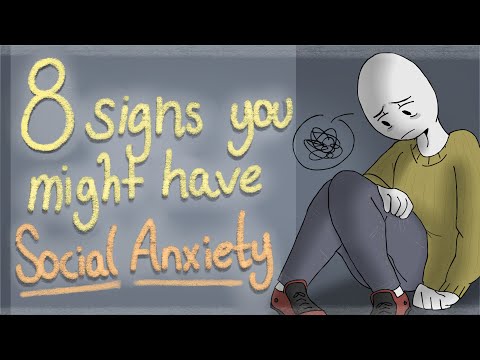
Anxiety can be a real buzzkill, right? Some days, it feels like you’re holding your breath while the world spins around you.
But guess what? You’re definitely not alone in this. Seriously, so many people deal with anxiety, and there are actually some super helpful ways to manage it.
Let’s chat about some effective strategies that psychology offers. They can really make a difference!
So grab your favorite drink and let’s dig into this together. You might find something that clicks for you!
Effective Psychological Strategies for Managing Anxiety: A Comprehensive Guide
Anxiety can feel like the world is closing in on you. It’s heavy, right? Sometimes it feels like you can’t breathe or think straight. But the good news is there are some psychological strategies that can really help you manage that feeling. Let’s break it down a bit.
1. Deep Breathing
When anxiety hits, your breathing often gets shallow and fast. This just makes everything worse! Try taking deep breaths instead. Inhale slowly through your nose for a count of four, hold for four, and then exhale through your mouth for a count of six. This simple exercise can help calm your nerves in no time.
2. Grounding Techniques
Have you ever felt so overwhelmed that you just zone out? Grounding techniques bring you back to the present moment. You could try the “5-4-3-2-1” method: identify five things you see, four things you can touch, three things you hear, two things you smell, and one thing you taste. It sounds simple but it really helps to anchor yourself when anxiety rises.
3. Challenge Negative Thoughts
Anxiety loves to spin negative stories in your head—you know, like «What if I fail?» or «Everyone’s judging me.» To fight back, start questioning those thoughts! Ask yourself if they’re really true or if there’s evidence against them. You might be surprised at how often they’re exaggerated.
4. Mindfulness Meditation
Mindfulness is about being present without judgment. Just sit comfortably and focus on your breath or a single point in the room for a few minutes each day. If your mind wanders—and it will—gently bring it back to your breath or that point you’re focusing on. Over time, this practice can reduce anxiety and improve how you react to stress.
5. Physical Activity
Moving your body is like hitting a reset button for those anxious feelings! Whether it’s yoga, dancing in your living room, or just taking a brisk walk around the block—it all counts! Exercise releases endorphins that naturally boost your mood and help lessen anxiety.
6. Get Support
Talking things out with someone—a friend or family member—can be super helpful too! Sometimes we feel trapped inside our own heads; sharing what we’re going through lightens the load a bit.
Think about this: next time you’re feeling anxious about something big like an exam or meeting new people, remember you’re not alone in this experience! With these strategies at hand, you’ve got tools to battle back against anxiety whenever it creeps up on you again!
Leveraging Psychological Strategies to Alleviate Anxiety: Effective Approaches and Insights
Anxiety can feel like this heavy weight sitting on your chest, right? You might be going about your day, and suddenly, bam! Your heart races, your mind spirals, and everything feels overwhelming. But don’t worry—there are some pretty effective psychological strategies you can use to help ease that anxiety. Let’s break it down.
1. Cognitive Behavioral Therapy (CBT)
So one popular method is called Cognitive Behavioral Therapy, or CBT for short. This approach teaches you how to identify and challenge negative thought patterns. Think of it like having a mini-debate with yourself. When you catch those anxious thoughts—like «I’m going to mess up» or «Everyone will judge me»—you ask yourself if those thoughts are really true.
You know that moment when you’re convinced everyone is looking at you during a presentation? Well, CBT encourages you to look for evidence. Are people really staring or is it just in your head? And hey, most likely they’re not even paying attention!
2. Mindfulness and Meditation
Then there’s mindfulness, which is all about being present in the moment without judgment. Ever tried just sitting quietly and focusing on your breath? It sounds simple, but it works wonders! Take a deep breath in … and out. You’ll find that when you focus on the now instead of worrying about what happened yesterday or what might happen tomorrow, the anxious feelings tend to fade.
Building a regular practice can help ground you during stressful times. It’s like having an emotional safety net.
3. Breathing Exercises
Speaking of breathing—let’s chat about breathing exercises! These are super handy when anxiety hits hard and fast. You’ve probably heard of the “4-7-8” technique: inhale for 4 seconds, hold for 7 seconds, exhale for 8 seconds. This not only calms your body but tells your brain that everything’s okay!
You know how sometimes it’s like your mind races while you’re trying to relax? Deep breathing helps slow down that racing train.
4. Exposure Therapy
Another interesting strategy is exposure therapy. It’s all about facing what makes you anxious in small doses so it doesn’t feel so overwhelming anymore! If you’re scared of public speaking, maybe start by speaking in front of a small group—like friends or family—and work your way up from there.
It’s a bit like building muscle; the more you practice facing those fears, the easier they’ll become over time!
5. Journaling
Don’t underestimate the power of journaling either! Getting your thoughts down on paper helps clear out mental clutter and gives you insight into what triggers your anxiety. Try writing down what you’re feeling and any situations that contribute to those feelings.
Sometimes seeing things on paper makes them less scary—it’s almost as if they lose their power over you!
6. Positive Affirmations
And let’s not forget positive affirmations! These little phrases can turn into powerful tools against self-doubt and negative thinking patterns: “I am capable,” “I am enough.” Repeating these regularly helps shift your mindset over time.
It might feel silly at first but seriously give it a shot; it’s amazing how much difference some positivity can make.
In summary, dealing with anxiety isn’t one-size-fits-all—it takes some trial and error to find what works best for you! So grab those tools mentioned above:
,
,
,
,
,
. With time and effort—you’ve got this!
Understanding Mental Health: Exploring Feelings of Confusion and Distress
So, let’s talk about mental health for a second, particularly those moments when you feel lost or confused. You know, that feeling when your emotions are all over the place? It’s like trying to find your way through a foggy maze. Well, this confusion and distress can really get in the way of enjoying life fully. What’s going on in our heads during these times is actually pretty interesting!
First off, feelings of confusion often stem from overwhelming situations. You might be juggling work stress, relationship issues, or simply the chaos of daily life. It’s like having too many tabs open on your computer—your brain can get sluggish and struggle to process everything at once. When you’re constantly bombarded with thoughts and emotions, it’s easy to feel paralyzed or anxious.
Sometimes, we just don’t know what we’re feeling or why we’re feeling it. Imagine you’ve had a long day and everything seems off—like maybe you’re angry but also sad but unsure why at all! That mix can create distress and anxiety, making it hard to even pinpoint what’s bothering you.
Now let’s think about some strategies for easing that anxiety when it creeps in. You could try:
- Mindfulness: This means being super present in the moment without judgment. It could be as simple as taking a few deep breaths and focusing on your breath moving in and out.
- Journaling: Writing down your thoughts helps sort them out. When you put pen to paper (or fingers to keyboard), sometimes things become clearer.
- Talking it out: Sometimes just chatting with a friend makes a big difference. They might see things from an angle you hadn’t thought of!
Each of these strategies lets you step back from those swirling feelings for a bit so you can see things more clearly.
Let’s take an emotional example: think about Sarah, who recently started a new job while dealing with family issues at home. Some days she feels totally overwhelmed—like she’s walking through quicksand every time she tries to make sense of her tasks or her stress levels. She decides to tackle this by journaling each night about her day: what went well, what didn’t, and how she felt overall. Over time, she notices certain patterns in her anxiety levels linked to specific triggers at work or home.
In understanding mental health better, it’s important not only to recognize those feelings of confusion but also acknowledge that it’s okay to feel that way sometimes! It’s all part of being human; even though it doesn’t feel great when you’re stuck in that headspace.
So if you’re wrestling with those confusing moments filled with distress? Just remember—you’re not alone! And figuring out ways to manage that anxiety can really help clear up some of that fog over time!
Anxiety can feel like this heavy blanket that just won’t come off, right? You wake up, and it’s there, nagging at you throughout the day. But hey, the good news is there are some effective strategies from psychology that can really help lighten that load.
One thing that often comes up is the idea of mindfulness. Imagine sitting quietly and focusing solely on your breath. You know, just paying attention to how it feels as you inhale and exhale. It’s not always easy to do; your mind might wander off to that work project you’ve been stressing about or that awkward thing you said last week. But gently bringing yourself back to your breath can create this little bubble of calm in the chaos.
I remember a time when I was super anxious before giving a presentation. My heart was racing, and my hands were shaking. But then I remembered this breathing technique: inhale for four counts, hold for four counts, and exhale for four counts. Doing that a few times made me feel more centered and ready to tackle whatever came my way.
Another strategy is cognitive reframing. This fancy term basically means looking at a situation from a different angle. So instead of thinking, “I’m going to mess this up,” you might catch yourself saying, “I’ve prepared for this; I can handle it.” It sounds simple, but changing that inner dialogue can really shift your perspective.
And we can’t forget about physical activity! Moving your body helps release those feel-good chemicals called endorphins. Even a quick walk around the block or some stretching can break the cycle of anxious thoughts and give you a fresh outlook.
Also, connecting with others—friends or family—can be such a lifesaver when anxiety hits hard. Just talking about what you’re feeling can lighten the weight on your shoulders. Remember those late-night chats with friends where you just unload everything? It’s like magic! You realize you’re not alone in feeling this way; so many people experience similar struggles.
So yeah, these strategies are like tools in your toolbox when anxiety tries to sneak back in. They won’t wipe anxiety away completely—after all, life has its ups and downs—but they sure can help make things more manageable when it gets overwhelming!