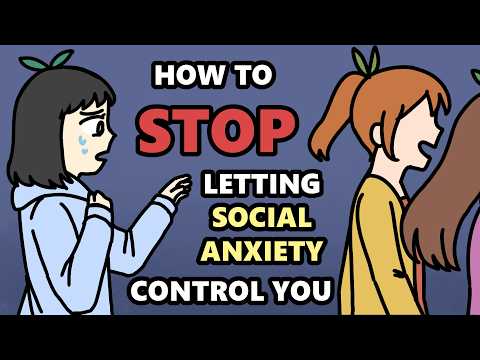
Alright, let’s chat about something that hits home for a lot of us: social anxiety. You know, that awkward feeling when you’re in a room full of people and all you can think about is how red your face is? Yeah, been there.
It’s like your brain’s playing tricks on you. One moment you’re fine, and the next, BAM! Your heart’s racing, palms sweating—total panic mode. Seriously, it can feel so overwhelming.
But here’s the thing. You’re not alone in this struggle. Tons of people deal with social anxiety every day. The good news? There are ways to tackle it head-on.
So let’s dig into some strategies based on psychology that can help ease those nerves and make social situations feel less like a high-stakes game—and more like just hanging out with friends! Sound good?
Exploring the Efficacy of Prozac in Alleviating Social Anxiety Symptoms
Prozac, or fluoxetine, is often talked about in the realm of treating mental health issues, particularly when it comes to things like depression and anxiety. If you’ve heard about it in connection with social anxiety, that’s because it’s one of the medications that some people find helpful in managing those overwhelming feelings of fear and nervousness in social situations.
So, first off, what is social anxiety? It’s more than just feeling a little shy. It can involve intense fear of being judged or humiliated in public settings. For instance, think about going to a party where you’re scared to talk to anyone. Your heart races, palms sweat—you just want to hide away! That’s where medications like Prozac come into play.
When considering Prozac’s efficacy for social anxiety, research shows some encouraging results. Many studies have found that it can significantly reduce symptoms for individuals struggling with this condition. People often report feeling less anxious and more able to engage in conversations without that dreaded knot in their stomach.
Now, how does it actually work? Prozac affects chemicals in the brain—specifically serotonin levels—which play a big role in mood regulation. By increasing serotonin availability, it helps improve overall emotional balance. This means you might feel calmer and more at ease when faced with social interactions.
But it’s not all unicorns and rainbows; not everyone has the same experience with Prozac. Some might find relief while others could face side effects like nausea or insomnia. It’s important to remember that everyone reacts differently to medications based on their unique chemistry.
Here are some critical points about using Prozac for social anxiety:
- Efficacy: Many find that regular doses can lead to reduced symptoms over time.
- Onset Time: It usually takes several weeks before noticeable improvements kick in.
- Combination Therapy: Sometimes combined with therapy for better results.
- Side Effects: It’s not uncommon for some people to experience side effects, which should be discussed with a doctor.
It might help to think about someone named Sarah I know—she felt absolutely paralyzed by her fear of speaking up at work meetings. After discussing her struggles with her doctor and starting on Prozac, she began noticing changes after a few weeks; she was less jittery and managed to share her ideas without second-guessing herself all the time.
For many dealing with social anxiety, medications like Prozac can be beneficial tools alongside other therapeutic strategies like cognitive-behavioral therapy (CBT). CBT focuses on identifying negative thought patterns and replacing them with more balanced ones—kind of like training your brain!
In essence, while Prozac can help alleviate symptoms of social anxiety for many folks out there—it’s important to approach treatment as a personal journey. Finding the right balance between medication and therapy may take time but can ultimately make a significant difference in how you feel day-to-day when facing those daunting social situations.
Understanding Social Withdrawal: Reasons Behind Shutting Down Around Others
Social withdrawal can feel like this thick, heavy blanket that just wraps around you when you’re trying to connect with others. You know the feeling, right? You’re in a room full of people, yet it seems like you’re miles away. So what really goes on inside your head when this happens?
First off, it’s important to recognize that social withdrawal doesn’t just spring from nowhere. There are a bunch of reasons why someone might decide to shut down around others.
1. Anxiety: One of the biggest culprits is anxiety—social anxiety, specifically. Imagine feeling like everyone’s eyes are on you, judging your every word and gesture. It’s like walking into a performance without knowing your lines! In these moments, the brain can either fight or take flight; for some, flight means withdrawing completely.
2. Past Experiences: Sometimes past experiences shape our current behavior. Maybe someone faced ridicule in school or had a bad breakup that left emotional scars. These memories make it way harder to open up again because there’s a fear of reliving those painful moments.
3. Low Self-Esteem: If you don’t think much of yourself, being around others can feel terrifying. You might worry that you’re not interesting enough or fun enough to hang with the crowd. This self-doubt acts like an anchor pulling you deeper into isolation.
4. Overstimulation: For some folks, social settings are just too much—loud noises, bright lights, or even too many conversations happening at once can lead to feeling overwhelmed and wanting to escape the scene entirely.
Now let’s talk about what happens in your mind during these moments of withdrawal:
When you start shutting down socially, your brain often goes into overdrive mode. Thoughts race around like crazy as you think about all the things that could go wrong: “What if I say something stupid?” “What if I get ignored?” Those spiraling thoughts create a feedback loop that keeps pushing you away from others instead of drawing you closer.
Feelings play their part too! It’s easy for sadness or frustration to bubble up when you’re feeling alone in a crowd. Like when you went out with friends but couldn’t shake off this nagging emotion—you wanted to laugh but ended up feeling more like hiding under the table instead.
But guess what? Understanding what’s happening is half the battle! When you’re aware of these feelings and fears—like how past experiences shape your present—you can work on addressing them little by little.
Some strategies involve finding small ways to challenge yourself socially without overwhelming pressure:
In essence, social withdrawal stems from various places—anxiety levels, personal history, self-perception—all feeding into how we feel in social situations. And while conquering it is definitely not easy (trust me), understanding why it’s happening is key!
So next time you’re pulling away from a crowd—or even just one friend—try checking in with yourself first: That awareness could lead to finding ways back into those connections that mean so much!
Effective Natural Strategies to Overcome Social Anxiety
Social anxiety can sometimes feel like a giant weight on your chest, you know? You walk into a room full of people and it’s like all eyes are on you. It’s overwhelming. But, there are natural strategies that can help you ease that tension.
First off, practice mindfulness. This means staying present in the moment rather than letting your mind race towards all the “what ifs.” You could start with just a few minutes of focusing on your breath when you’re feeling anxious. When you breathe in and out slowly, it’s like giving your brain a little reboot.
Another effective method is exposure therapy. Now, this doesn’t mean jumping into the deep end right away! Start small. Maybe it’s saying “hi” to a neighbor or making small talk with the cashier. Gradually challenge yourself to do more as you feel comfortable.
Also, don’t underestimate the power of positive self-talk. Your brain can be its own worst critic sometimes. Instead of telling yourself “I’ll embarrass myself,” flip the script to “I might not be perfect, but I can handle this.” Seriously, it’s amazing how shifting your thoughts can change how you feel about situations.
Physical activity is another game-changer. When you exercise, your body releases endorphins which are basically little happy hormones that boost your mood. Even just a brisk walk can make a huge difference in how you’re feeling inside. So lace up those sneakers!
Connecting with others who understand what you’re going through is also super helpful. Consider joining support groups or online forums where people share similar experiences and coping strategies. You’d be surprised at how comforting it feels to chat with someone who gets it!
Lastly, set realistic goals. You don’t have to become a social butterfly overnight! Write down achievable steps to work towards and celebrate those small victories along the way.
Remember, tackling social anxiety takes time and patience; give yourself that grace! Everyone has their own journey through this stuff…and it’s totally okay to take baby steps toward feeling more comfortable in social settings.
So, social anxiety, huh? It’s that pesky feeling where you’re sweating bullets just thinking about mingling at a party or even making small talk with a coworker. Seriously, I’ve been there. Once, I stood in a corner at a friend’s get-together, clutching a drink like it was my lifeline. All around me, people laughed and chatted while I felt trapped in this bubble of awkwardness.
But here’s the thing: conquering social anxiety is totally possible! It might take some time and effort, but you can move past those feelings that make you want to hide under your bed sometimes.
First off, let’s talk about exposure. This is all about gradually facing those social situations that freak you out. So like, instead of diving head-first into a massive party, maybe start with hanging out with just one friend or two. You know? Just dip your toes in the water! Over time, as you get more comfortable in smaller scenarios, you’ll find yourself expanding your comfort zone bit by bit.
Then there’s the whole cognitive-behavioral thing. Basically, it’s about challenging those negative thoughts that pop up when you’re anxious. Like when your brain screams that everyone thinks you’re weird or boring—stop right there! Ask yourself if there’s any solid proof for those thoughts or if they’re just the anxiety talking. Spoiler alert: they often are.
Also, practice mindfulness! This one sounds all zen but bear with me. When you’re anxious in social settings, try to focus on your surroundings instead of getting lost in your mind’s chaotic chatter. Notice how the light bounces off the walls or what someone’s wearing—this helps ground you in the present moment.
And don’t underestimate the power of breathing techniques. Seriously! When you feel anxiety creeping up on you during a conversation, take slow deep breaths… Inhale through your nose for four seconds and exhale through your mouth for six. Repeat until things feel less overwhelming.
Lastly—oh man—don’t forget to be kind to yourself too! Everyone has their moments of feeling out of place or shy; it doesn’t mean there is something wrong with you at all. Acknowledging that you’re trying is already a significant step forward.
Remember my corner story? Well now I can walk into parties and chat freely with people because I put these strategies into practice over time (and I’ve learned not to bring drinks too close to my face!). Social situations still hold their challenges for sure, but every little victory adds up!
So yeah, conquering social anxiety takes work and some trial-and-error along the way—but with persistence and these insights guiding you—trust me—you’ll find yourself stepping out into those lively gatherings before you know it!