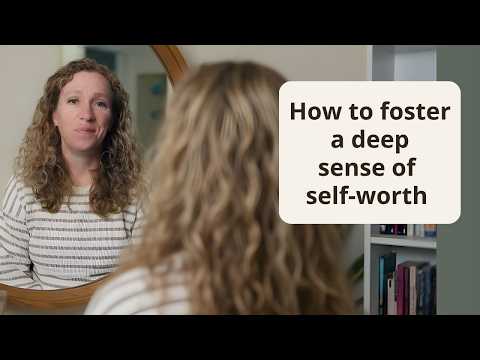
You know that feeling when you just don’t feel good enough? Yeah, we all get there sometimes. It can be exhausting.
So, what’s the deal with self-worth? Why does it matter so much? Well, it’s like the foundation of how we see ourselves and how we navigate the world.
Think about the times you’ve felt on top of your game versus when you’ve just felt…meh. Crazy how a shift in self-worth can change everything, huh?
In this little chat, I want to dig into ways psychology can help you build that solid sense of self-worth. No fluff, just some real talk about how we can all feel better about ourselves.
Understanding Self-Worth vs. Self-Esteem: Key Distinctions and Their Impact on Mental Health
and self-esteem are two terms we often throw around, but they mean totally different things. Quick story: I once knew this guy who was super confident and always bragging about his achievements. But deep down, he felt like a fraud. He had high self-esteem, but when it came to self-worth? That was a whole different ball game.
So, what’s the scoop?
Self-esteem is about how you feel about yourself based on external factors—like your achievements or the opinion of others. It’s often tied to what you do and how well you think you’re doing it. For example, getting compliments on a project at work can boost your self-esteem temporarily. It feels great! But if you mess up and get criticized, that can deflate your self-esteem pretty quickly.
On the flip side, self-worth is more fundamental. It’s the deep-down belief that you are valuable just because you’re you—regardless of accomplishments or outside approval. Imagine someone who feels worthy even when they fail at something big; that’s strong self-worth right there!
Here are some key distinctions to keep in mind:
- Source: Self-esteem comes from outside influences—feedback, achievements—while self-worth is internally driven.
- Stability: Self-esteem can fluctuate with life events; it might soar one day and crash the next. tends to be more stable over time.
- Coping Mechanism: High self-esteem might help you tackle challenges, but only if it’s built on a solid foundation of self-worth.
- Mental Health Impact: Relying too much on external validation for self-esteem can lead to anxiety or depression when things go wrong.
Let’s say someone gets laid off from their job. If their self-esteem was based solely on their role there, they could spiral down into feelings of worthlessness. But if they had good self-worth? They’d understand that losing a job doesn’t change their intrinsic value as a person.
Building a stronger sense of self-worth involves focusing less on others’ opinions and more on recognizing your unique qualities just as they are. Maybe think of yourself like an artist creating a masterpiece—not every stroke will please everyone, but it all contributes to the final piece.
So, in essence: boosting your mental health means nurturing both your self-worth, which anchors you during tough times, and self-esteem, which can give you that extra pep in your step when you’re shining bright!
Empowering Yourself: Effective Strategies to Cultivate Self-Worth
Sure thing! Let’s talk about empowering yourself and boosting that sense of self-worth. It’s a journey many of us go through, and it can make a huge difference in how we feel about ourselves. So, grab a comfy seat and let’s get into it!
Understanding Self-Worth is the first step. It’s about recognizing your value, you know? A strong sense of self-worth allows you to stand tall, even when life throws curveballs your way. It’s not just about feeling good when things go right; it’s about knowing you’re worthy no matter what.
Recognize Your Strengths. Seriously, take a moment to think about what you’re good at. Everyone has unique talents or qualities that make them special. If you’re great at cooking, for example, lean into it! Maybe you have a knack for listening to friends or fixing things around the house. Whatever it is, acknowledge those strengths and let them shine.
Practice Self-Compassion. You know how we can be our own worst critics? It’s time to change that narrative! Imagine if you treated yourself with the same kindness you’d offer a friend who was struggling. If you mess up, instead of beating yourself up over it, try saying something like “It’s okay; everyone makes mistakes.” This little shift can work wonders for your self-esteem.
Set Achievable Goals. Think of small goals that are easy to reach. They don’t have to be monumental; even little victories count! Maybe it’s starting a new hobby or finishing that book you’ve been meaning to read. Each time you accomplish something—no matter the size—you build confidence and reinforce your self-worth.
Seek Supportive Relationships. Surround yourself with people who lift you up rather than drag you down. Friends who celebrate your successes and encourage your dreams can profoundly impact how you see yourself. You know those friends who make everything feel lighter? Those are golden!
Acknowledge Negative Self-Talk. We all have that inner voice sometimes saying less-than-nice things. When it pops up, challenge it! Ask yourself if what it’s saying is really true. Often, it’s just old habits talking—not reality.
Limit Comparisons. In this age of social media, it’s so easy to fall into the comparison trap. Remember: everyone has their battles behind closed doors—even if their Instagram looks perfect! Focus on your own journey instead of measuring yourself against others.
Cultivate Gratitude. Take time each day to think about what you’re thankful for in your life—big or small. This practice shifts focus from lack to abundance and helps remind us of our worthiness in a crowded world.
So basically, these strategies are all about recognizing who you are and being kind to yourself along the way. Everyone deserves love and appreciation—especially from themselves! Empowering yourself isn’t always easy but taking these steps can totally help cultivate that stronger sense of self-worth over time.
And remember: it’s okay not to get everything right at once; growth takes time and patience!
Understanding the Key Differences Between Self-Worth and Self-Esteem in Psychology
So, when you hear people talking about self-worth and self-esteem, it’s like they’re speaking about two sides of the same coin. But honestly, they’re not exactly interchangeable. They each have their own vibe, and understanding that can make a big difference in how you see yourself.
Self-worth is more about your inherent value as a human being. It’s that deep-down feeling that you’re worthy of love and respect just for being you. It doesn’t bounce around based on what others say or how well you perform at something. For instance, if you bomb a presentation at work, your self-worth shouldn’t take a hit because that’s not tied to who you are at your core.
On the flip side, self-esteem is more like your opinion of yourself based on what you do or achieve. It’s affected by your experiences and accomplishments. Think of it this way: if you ace a test or get a promotion, your self-esteem might skyrocket! But if things don’t go as planned? You might feel really low for a bit.
- Self-worth: Inherent value; unchanging; independent from achievements.
- Self-esteem: Opinion; can fluctuate based on success or failure.
A good way to understand this is through an anecdote. Imagine Sarah—she’s super talented at painting and gets tons of compliments from everyone. Her self-esteem is high because she feels good about her art when she gets praises. But one day, she suddenly doubts her skills after seeing someone else’s work online that’s “better.” Now her self-esteem takes a dip, but deep down, Sarah still has her self-worth intact—she’s still the same person with value beyond those comparisons.
The key differences are crucial because they impact how we handle challenges in life. If something goes wrong and your self-esteem is shaky, it might feel like everything is falling apart. However, someone with strong self-worth can weather those storms better because they know their core value doesn’t change with circumstances.
Cultivating stronger self-worth often involves recognizing and accepting yourself without all those external validations. It requires looking inward and connecting with what makes you uniquely valuable as an individual besides achievements or public opinions.
You could practice mindfulness or engage in activities that foster gratitude towards yourself—point out what makes you awesome regardless of how others perceive it! Building that inner strength helps create resilience when life throws curveballs at your self-esteem.
If we think back to Sarah—once she starts focusing on loving herself for who she is rather than just her painting skills, her outlook changes dramatically! She becomes more resilient when faced with criticism and finds joy in creating rather than stressing about comparison.
In summary, understanding these differences isn’t just useful; it’s essential for nurturing a healthy relationship with yourself! Emphasizing self-worth can lead to lasting emotional fulfillment instead of the constant rollercoaster ride many experience with fluctuating self-esteem!
You know, self-worth is such a tricky thing. It’s like this invisible thread that weaves through our lives, affecting how we see ourselves and how we interact with the world. I mean, think about it for a second—when you feel good about yourself, everything seems to fall into place. You tackle challenges with confidence and there’s this spark in your step. But when that sense of worth dips? Ugh, it can be like walking around with a rain cloud over your head.
I remember a time when I really struggled with my self-worth. There was this phase in my life where I felt like I was just…ordinary? Like, everyone around me seemed to be achieving amazing things while I kinda floated along. It hit me hard on days when I’d compare myself to others on social media or overhear someone getting praise at work while I sat quietly at my desk. That downward spiral can be relentless.
But diving into psychology helped shift my perspective a bit. So here’s the deal: self-worth is often shaped by our experiences and the voices we hear growing up—like family, friends, or even random comments that stick with us longer than they should. It’s not just about talent or success; it’s also about how we frame our own narratives.
One interesting thing is how our brains are wired to respond to feedback. When we receive praise, it feels nice—like a warm hug for our ego! On the flip side, criticism can cut deep. The key? Learning to filter out negativity and focus on what lifts us up instead.
A cool approach is practicing self-compassion. It sounds fancy but really it boils down to treating yourself like you would treat a friend who’s having a tough time—you’d probably encourage them rather than beat them down further, right? Shifting those inner dialogues from “I’m not enough” to “I’m doing my best” takes work but can lead you to feel more grounded in your worth.
Also, think about setting personal goals—not comparing them against anyone else’s milestones! Celebrate those little wins along the way because each one matters. It’s like gathering little gems that slowly build up your sense of self-worth over time.
At the end of the day, cultivating self-worth is an ongoing journey rather than this one-time destination where you suddenly feel complete. It’s messy and beautiful all at once! And while we’re all imperfect beings trying hard in this complex world, recognizing your value and holding onto it can change everything—even on those rainy days when doubt creeps in again!