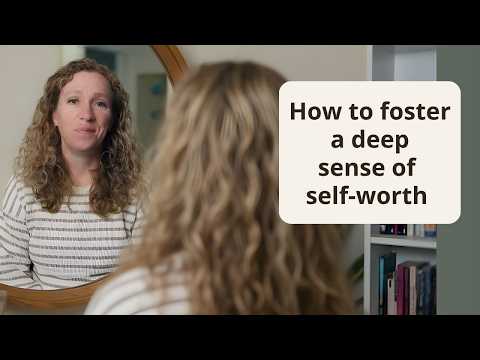
You know that feeling when you look in the mirror and wish you saw something better? Yeah, we’ve all been there.
It’s like confidence and self-worth are elusive little butterflies, flitting just out of reach. But guess what? You can totally catch them!
Building that inner strength doesn’t have to be some deep, complicated journey. It’s more like piecing together a puzzle where you find bits of yourself along the way.
Let’s chat about some psychological nuggets that’ll help you feel more awesome in your own skin. Seriously, it’s all about understanding yourself a bit better.
Ready to discover how simple insights can transform your relationship with yourself? I thought so!
Enhancing Self-Worth and Confidence: Exploring Psychological Insights and Their Meaning
Building self-worth and confidence is a journey for many of us. You might even think about it like climbing a mountain, where each step up gives you a little more view of what you’re capable of. It’s all about understanding yourself better and changing the way you see your own value.
Self-worth often starts from within. What you believe about yourself shapes how you act in the world. If you think you’re not good enough, it can really hold you back. Consider this: when was the last time you accomplished something and didn’t give yourself credit? That moment is a perfect example of how we sometimes overlook our own achievements, which chips away at our self-esteem.
Sometimes, we get caught up comparing ourselves to others. It’s like scrolling through social media and thinking everyone else has it all figured out. The truth is we all have struggles; they just don’t always show on the surface. It’s important to remember that everyone has their own insecurities. The next time you find yourself feeling less-than, take a moment to reflect on your unique qualities.
Another big piece of this puzzle is self-compassion. You know those days when everything feels overwhelming? Instead of beating yourself up for not being perfect, try treating yourself like you’d treat a friend in the same situation. Be kind! Acknowledge that it’s okay to mess up sometimes because that’s part of being human.
Now let’s talk about setting realistic goals. When goals are too high, failure can hit hard and leave us doubting ourselves even more. Setting small, achievable goals can help boost your confidence over time. For example, if public speaking freaks you out, start by speaking up more in smaller groups before tackling larger audiences.
Positive affirmations are also worth mentioning! You can start your day with simple statements like “I am capable,” or “I deserve happiness.” It might feel silly at first—like when my friend started chanting her affirmations in front of the mirror—but over time, it really helps shift your mindset into something more positive.
Social support plays a huge role too! Surrounding yourself with supportive people who lift you up can really change your perspective on self-worth. Think about someone in your life who always seems to see the best in you—what do they say or do that makes you feel valued? Take inspiration from them!
Lastly but super importantly: embracing vulnerability. It can feel scary to show our true selves (or admit when we don’t have it all figured out), but vulnerability is actually freeing! Sharing your feelings or struggles helps build connections with others and reinforces your sense of belonging.
There’s no magic wand for boosting self-worth and confidence; it takes time and practice. So go easy on yourself as you work through these insights! Celebrate each little win along the way because every step counts toward feeling better about who you are and what you’re capable of achieving.
Empower Yourself: Building Self-Worth and Confidence Through Psychological Insights (PDF Download)
Sure! Building self-worth and confidence is a journey every one of us goes through, but it doesn’t always feel easy, right? Let’s break down some psychological insights that can help empower you along the way.
Understanding Self-Worth
Self-worth is honestly how you see and value yourself. It’s not about what you do or what others think of you. It’s more like your inner scorecard. Think about it this way: If someone compliments your work but you feel like a fraud, that really messes with your self-worth, doesn’t it?
Confidence vs. Self-Esteem
It’s important to know the difference between confidence and self-esteem. Confidence is about believing in your abilities—like knowing you can nail that presentation. Meanwhile, self-esteem is more about how much you appreciate yourself overall. So, if you mess up during that presentation but still feel good about who you are, that’s solid self-esteem.
The Role of Positive Affirmations
Using positive affirmations can seriously shift how you think about yourself. They’re those little pep talks we give ourselves. Try saying something like “I am worthy of love and success” each morning—sounds cheesy, maybe? But over time, this kind of stuff rewires those negative thoughts creeping in.
The Power of Self-Reflection
Reflecting on your experiences helps boost self-awareness. Grab a notebook and jot down moments where you felt proud or even times when things went totally wrong but taught you something valuable. This might reveal patterns or strengths within yourself that you’ve overlooked.
Building a Support System
Surrounding yourself with people who lift you up matters too! It can be tempting to stick with negative folks who pull us down. But finding supportive friends or groups can really help reinforce your sense of worth and provide encouragement when you’re feeling low.
Tackling Negative Thoughts
Oh man! Negative thoughts can be real party crashers in our minds! When they pop up, it helps to challenge them instead of just accepting them as truth. Ask things like “Is this really accurate?” or “How would I speak to a friend in this situation?” You’d probably cheer them on instead of tearing them down!
Cognitive Behavioral Techniques
Cognitive Behavioral Therapy (CBT) techniques can be super useful for shifting thought patterns that mess with your confidence. You could create a pros and cons list for situations where you’re doubting yourself—seeing everything laid out sometimes helps put things into perspective.
The Importance of Setting Goals
Setting achievable goals creates mini-wins along the way! Start small—maybe aim for sharing an idea at work or starting a new hobby—you know? Those little victories build momentum and pump up your confidence levels bit by bit.
In wrapping this all up, building self-worth and confidence is an ongoing process filled with ups and downs—it takes time! But by embracing these psychological insights, practicing patience with yourself, and surrounding yourself with positive influences, you’ll start feeling more empowered every day. Remember: You’re worthy just as you are!
Transform Your Life: Effective Strategies to Build Confidence and Self-Esteem
Confidence and self-esteem are two of those things that can really shape how you see yourself and interact with the world. You know, it’s like the glasses you wear—everything looks different when they’re tinted a certain way. Building genuine self-worth isn’t just about feeling good for a day. It’s like planting seeds that eventually grow into something beautiful and strong.
So, let’s talk about some strategies that can help you build your confidence and self-esteem:
- Know Thyself: This might sound cheesy, but getting to know who you are is crucial. What are your passions? What makes you tick? Write down your strengths and even the things you’re not so great at. Doing this can help clarify what makes you unique.
- Set Achievable Goals: Start with small, realistic goals. It’s like learning to ride a bike—you wouldn’t jump on a mountain bike without training wheels first, right? Celebrate each little victory; it builds momentum!
- Practice Self-Compassion: If you mess up or feel inadequate, remember everyone has off days! Talk to yourself as kindly as you’d talk to a friend. Seriously, if we were all kinder to ourselves, imagine how much lighter we’d feel.
- Surround Yourself with Positivity: The people you hang out with can make a big difference in how you feel about yourself. Try to be around those who lift you up instead of bring you down. Their energy and support can be contagious!
- Acknowledge Your Accomplishments: Keep reminding yourself of what you’ve achieved—even the small stuff counts! Sometimes people forget all the little things they’ve done that led them to where they are now.
The thing is, building confidence doesn’t happen overnight; it’s more like building muscle at the gym—you gotta work at it consistently! For instance, think back to that time when you presented in front of your class or gave that big speech at work. It was scary as heck probably! But once it was done and dusted? You likely felt a rush of pride afterwards because you’d faced your fears head-on.
Also, don’t underestimate the power of body language. Yeah, seriously! Standing tall or smiling can trick your brain into feeling more confident. Ever noticed how just walking into a room with good posture makes people look up? It’s kind of wild how our physical presence impacts our internal experience.
You might also want to consider challenging negative thoughts—those pesky little gremlins that pop up in your head at the worst times! When those thoughts creep in saying “you can’t do this,” flip the script: ask yourself if there’s any real evidence for that thought or if it’s just fear talking.
Cultivating confidence isn’t always easy—it takes time and effort! Like watering plants every day until they bloom into gorgeous flowers. But I promise, putting in the work will be worth it when you’re able to step out into life feeling secure in who you are!
You know, self-worth and confidence are such fascinating topics. It’s like, every one of us is on this ongoing quest to feel good about ourselves. Sometimes, we might struggle with that, right? Like think back to the last time you compared yourself to someone else. It stings a bit, doesn’t it?
So I remember this one time when I was in high school, and I really wanted to join the debate team. But I kept thinking about how much smarter everyone else seemed—like they’d read the entire library! I almost didn’t try out because I just didn’t think I was good enough. But you know what? I pushed through that voice in my head that kept saying «you can’t do it,» and went for it anyway. Turns out, I did okay! And that little victory started changing how I saw myself.
Building self-worth isn’t just about getting pats on the back from others or racking up achievements. It’s more about understanding your own value, just as you are. You’ve got strengths and weaknesses; we all do! Acknowledging both sides is like lifting weights for your brain—it builds resilience and makes you feel more grounded.
Cognitive behavioral therapy (CBT) offers some cool insights here. It focuses on how our thoughts shape our feelings and actions. If you start flipping those negative thoughts into positive ones—like instead of “I’m not good enough,” thinking “I’m learning,” or “I can grow”—that shift can be really powerful! You’re basically retraining your brain over time.
But let’s be real; this stuff takes practice. You might have days when you feel on top of the world and others where you’re questioning everything again. That’s totally normal! What matters is recognizing when those doubts creep in and choosing to challenge them.
Plus, surrounding yourself with supportive people plays a huge role too! Friends who lift you up and remind you of your worth? Goldmine. It’s like having a personal cheerleading squad!
So yeah, building self-worth isn’t an overnight thing—it’s more like gardening; you’ve gotta nurture those seeds with care so they bloom over time. The journey is uniquely yours, full of twists and turns, but every step counts toward becoming a stronger version of yourself—and that’s pretty awesome if you ask me!