You know those moments when your heart starts racing, and you feel like the walls are closing in? Yeah, panic attacks can be so overwhelming. You’re not alone if you’ve ever felt that way.
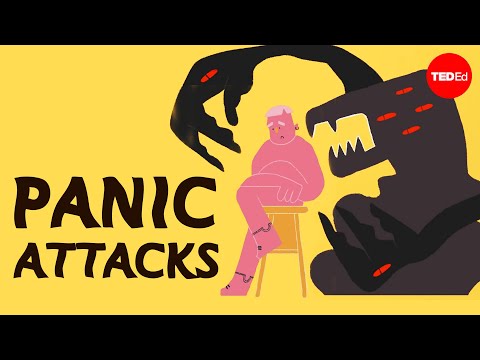
We’ve all been there. Whether it’s an unexpected trigger or just the stress of life piling up, panic attacks can sneak up on you. They can feel like a monster under the bed that just won’t go away.
But here’s the thing: there are real strategies to tackle this. You don’t have to just rely on breathing into a paper bag (though that helps sometimes). We can dig into some effective methods rooted in psychology—simple stuff that might make a big difference!
Let’s chat about how you can get back in control and kick those panic monsters to the curb. Sound good?
Effective Strategies to Permanently Overcome Panic Attacks: A Comprehensive Guide
Panic attacks can feel like a rollercoaster of fear, heart racing, and that overwhelming urge to escape. You know the feeling—you’re just going about your day, and suddenly it strikes. It’s intense and often just seems to come out of nowhere. But there are some strategies you can try to help manage those moments and maybe even reduce their frequency over time.
Understanding Panic Attacks is crucial. At their core, panic attacks are your brain’s way of reacting to perceived danger, even when there isn’t any real threat present. Imagine your body is wired with an alarm system that goes off even when there’s no fire—pretty annoying, right? That’s what happens during a panic attack.
Now, let’s dive into some effective strategies:
- Breathing Exercises: When you feel panic creeping in, focusing on your breath can really help. Try taking deep breaths in through your nose for a count of four, holding it for four counts, and then exhaling slowly through your mouth for another four counts. It’s like putting that pesky alarm back to sleep.
- Cognitive Behavioral Therapy (CBT): This method helps you change the way you think about panic attacks. For example, instead of thinking “I’m going to die,” remind yourself “This will pass; I’m safe.” Changing those thoughts can make a big difference.
- Exposure Therapy: This involves gradually facing the situations that trigger your panic attacks in a safe environment. If crowded places make you anxious, start by visiting them briefly until you feel more comfortable.
- Mindfulness Practices: Stuff like meditation or yoga can help ground you when anxiety hits. It’s all about staying present instead of getting lost in worries about what might happen next.
- Lifestyle Changes: Regular exercise, healthy eating habits, and enough sleep play a huge role in mental health. Consider this: when you’re physically fit, your body is better equipped to handle stress! You know what they say—your body is your temple!
A while back, my friend Sarah had constant panic attacks when she went into stores alone. She decided to try some breathing exercises before entering any place that made her anxious. Slowly but surely, she faced her fears by going into shops just for a few minutes at first and practicing her breathing techniques inside if she felt panicky. Over time? Those visits became easier!
If you’re not feeling confident trying these strategies alone or if things don’t improve after giving them a shot for a while—it might be helpful to talk with someone who specializes in mental health support.
The key here is persistence—panic attacks can be draining, but with these techniques and the right attitude towards them—it’s possible to find relief! Always remember: You’re not alone in this struggle; many people have been where you are now.
Effective Strategies to Instantly Reduce Anxiety: Practical Tips for Immediate Relief
Feeling anxious can hit you like a ton of bricks. One minute, everything’s chill, and the next, your heart’s racing, palms are sweaty, and all you want is to escape. You’re not alone in this; anxiety is super common. Luckily, there are some effective strategies that can help reduce anxiety instantly. Let’s break down a few practical tips that might bring you some immediate relief.
1. Focus on Your Breathing
This one sounds simple but trust me, it’s powerful. When you feel anxiety creeping in, try the 4-7-8 breathing technique. Inhale through your nose for a count of 4, hold it for 7 seconds, then exhale slowly through your mouth for 8 seconds. Repeat this a few times. It helps calm your nervous system and gives you a moment to regroup.
2. Grounding Techniques
Grounding helps pull you back into the present moment when anxiety takes over. One way to do this is the 5-4-3-2-1 technique. Look around and name:
- 5 things you can see
- 4 things you can touch
- 3 things you can hear
- 2 things you can smell
- 1 thing you can taste
This little exercise shifts your focus away from what’s stressing you out and gives your brain something else to think about.
3. Movement!
You’d be surprised how much just moving around can help ease anxiety! It doesn’t have to be extreme—something as simple as going for a walk or stretching can release some of that pent-up energy and tension. Getting your blood flowing boosts endorphins which really helps in lifting your mood.
4. Listen to Music
Your favorite tunes might just be the perfect antidote to an anxious moment! Create a playlist filled with songs that make you feel good or relaxed. Sounds cheesy? Maybe! But music has this magical way of influencing our mood and changing our thoughts.
5. Have a Comfort Item at Hand
If there’s something that makes you feel safe—like a cozy sweater or small trinket—keep it close during stressful moments. That familiar object can ground you in times of uncertainty.
Breathe deeply again if needed! Remember that anxiety might feel overwhelming but employing these strategies could really help ease those moments when everything feels like too much.
Anxiety won’t totally disappear overnight; it takes time and practice to find what works best for you personally—but hey, these are just starting points! The key is finding what clicks for you so it becomes part of your go-to toolkit whenever those anxious waves come crashing in.
Effective Strategies to Overcome and Manage Panic Attacks
Panic attacks can be super intense and a real pain to deal with. But there are some strategies you can use to manage them and make them less scary. Let’s break it down a bit, shall we?
Recognizing Triggers
The first step is to figure out what sparks these attacks for you. It could be stress, specific situations, or even certain thoughts. Keeping a journal can help you track when these moments happen. For example, if you notice that they often hit when you’re in crowded places, that’s something to keep in mind.
Breathe Easy
Breathing techniques are like your best friend when panic strikes. When your heart’s racing and it feels like the walls are closing in, try focusing on your breath. Inhale deeply through your nose for a count of four, hold for a second, then exhale slowly through your mouth for six counts. This helps calm your nervous system—seriously, it’s magical.
Grounding Techniques
You know how sometimes everything feels out of control? Grounding techniques can pull you back to reality. One trick is the 5-4-3-2-1 method: identify
This pulls your mind away from the panic and focuses it on the here and now.
Cognitive Behavioral Strategies
This one’s pretty cool! Cognitive Behavioral Therapy (CBT) is all about changing negative thought patterns. When those anxious thoughts crop up—like thinking “I’m going to die”—challenge them! Ask yourself: “Is this thought really true?” or “What evidence do I have?” It takes practice but reshaping those thoughts helps build resilience against panic attacks.
Create a Support System
You don’t have to go through these attacks alone! Having friends or family who understand what you’re feeling makes a big difference. Share what happens during an attack with people close to you so they’re aware and ready to help if needed. Sometimes just talking about it eases some of the burden.
Avoidance Isn’t the Answer
Avoiding situations that trigger anxiety might seem like an easy fix but often makes things worse in the long run. Facing those fears gradually helps desensitize your response over time. Start small; maybe spend just a few minutes in that crowded place instead of trying to tackle it all at once.
Meditation and Mindfulness
Meditation isn’t just for yogis sitting cross-legged on mountaintops! Seriously! You can start with just five minutes of mindfulness meditation each day—focus on being present without judgment. Apps or videos online can guide you if you’re not sure where to begin.
Pact with Yourself
This might sound cheesy but making a pact with yourself during calmer times is powerful too. Identify what you’ll do when panic hits; maybe it’s recalling your breathing technique or reminding yourself that it’s temporary. Having that pre-planned response turns down the fear dial when an attack comes knocking!
Panic attacks might feel overwhelming at first glance, but with practice using these strategies regularly makes coping easier over time! So give yourself grace as you figure this all out; you’re not alone—and you’ve got this!
Panic attacks can be super intense, right? You’re just going about your day, and suddenly your heart feels like it’s doing a marathon, and you’re gasping for air. It’s scary to feel that way. I remember a time when I was in a crowded space, and out of nowhere, everything felt too much. My heart raced, and it felt like the walls were closing in on me. All I could think was, “Get me out of here!” But here’s the thing—there are some strategies from psychology that can help ease those moments when everything feels overwhelming.
One simple strategy is breathing techniques. Seriously! When that panic starts creeping in, focusing on your breath can be a game changer. Try inhaling deeply through your nose for four counts, holding it for four counts, then exhaling through your mouth for another four. Doing this repeatedly can help ground you and shift your focus away from the panic. It’s almost like telling your body that all is well, even when it feels chaotic.
And then there’s grounding techniques. These are all about anchoring yourself in the present moment. You might hear about the “5-4-3-2-1” method: name five things you see, four things you can touch, three things you hear, two things you smell (or like think of your favorite scents), and one thing you taste. This helps distract your mind from those overwhelming feelings by bringing attention back to what’s actually happening around you instead of spiraling into anxiety.
Cognitive-behavioral strategies also come into play here. The idea here is to identify those thought patterns that fuel panic attacks—like thinking you’re going to die or lose control—and challenge them! It might feel silly at first; trying to argue with your own brain seems weird sometimes! But recognizing these thoughts as exaggerated or untrue can gradually change how you react in stressful situations.
And let’s not forget the power of routine! Having a consistent daily routine can bring a sense of normalcy and security into life when anxiety tries to take over. Exercise—oh boy—is another biggie! Moving your body releases endorphins which boost mood and reduce stress levels over time.
So yeah, while panic attacks can feel really isolating and terrifying when they hit (that feeling does not play around), there are ways grounded in psychology that help manage or even reduce their frequency. It may take some time and practice to find what works best for you personally—but don’t lose hope! There are paths through this maze that lead back to calmer waters; just take it one step at a time.