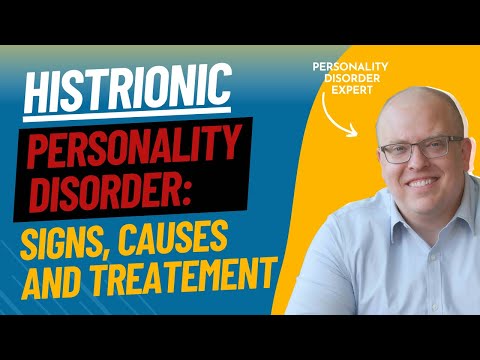
You know that feeling when someone just has to be the center of attention? Like, they light up a room but also kinda make you cringe sometimes? Yeah, that’s something we see in people with Histrionic Personality Disorder (HPD).
It’s wild how often these traits sneak into everyday life. You might notice some behaviors that just seem a bit over-the-top. But what does it really mean?
Well, recognizing these patterns can help you understand your relationships better. Trust me, once you start spotting them, it’s like seeing the world in HD! Let’s take a closer look at what HPD might look like in daily situations.
Understanding the Impact of Histrionic Personality Disorder on Daily Life: Challenges and Coping Strategies
Histrionic Personality Disorder (HPD) can shake up daily life in some pretty noticeable ways. People with HPD often crave attention and approval, which can affect their relationships and work environments. Let’s break down what this means and how folks deal with these challenges.
First off, one of the biggest challenges is the constant need for reassurance and validation. Imagine being in a group where you feel like you have to perform all the time to stay noticed. It’s exhausting! You might find yourself dramatically expressing emotions, even when they don’t match what’s happening around you. This can lead to misunderstandings with friends or coworkers who may not get why you’re so over-the-top.
In relationships, this need for attention can create tension. If you’re constantly seeking validation from a partner, it might leave them feeling overwhelmed or neglected. They could be like, “Hey, I just want to relax!” So, boundaries are super important here.
- Interpersonal issues: Friends might feel drained by the intensity of your emotional expressions.
- Workplace dynamics: Seeking attention could lead to conflicts with colleagues who prefer a more subdued atmosphere.
Now, let’s talk about coping strategies. One effective way is learning how to manage those emotions better. Instead of throwing yourself into dramatic displays, it might help to find calm activities that ground you—like journaling or meditation. These can give you space to reflect without needing an audience.
An example? Let’s say you come home after a tough day at work and you’re feeling all sorts of things—frustration and sadness included. Instead of staging a mini-drama for your partner by pouring out an exaggerated tale about your day, try sharing just the facts first before delving into your feelings. This way, it becomes easier for both of you to discuss what’s happening without turning it into a performance.
- Reflective practices: Journaling helps in sorting through emotions before sharing them with others.
- Mindfulness exercises: Deep breathing or focusing on sensory experiences can ease overwhelming feelings!
Another key aspect is understanding triggers that lead to these dramatic reactions or emotional swings. Keeping track of situations that spark strong feelings can help you anticipate when those moments might arise and prepare strategies ahead of time instead of reacting impulsively.
If there’s something specific that triggers those big reactions—a stressful meeting or tricky family gathering—having a plan can really help keep things from spiraling out of control.
You might also want to lean on trusted friends who understand your patterns but are comfortable setting boundaries when necessary. Having people around who get it can make navigating social situations much smoother!
- Create a support network: Choose friends who respect your need for attention but also know when to step back.
- Acknowledge progress: Celebrate small victories when you express emotions in calmer ways!
Navigating life with HPD isn’t always easy—it comes with ups and downs—but recognizing symptoms and adopting these coping strategies can pave the way toward healthier interactions with others and yourself!
Understanding Histrionic Personality Disorder: Insights and Perspectives in Today’s Psychology
Understanding Histrionic Personality Disorder (HPD) can feel a bit like trying to untangle a ball of yarn. It’s messy and complicated, but once you get the hang of it, things start to make sense. So, let’s break this down together.
People with HPD often crave attention and need to be the center of attention. You might notice someone who flirts excessively, or who makes dramatic gestures just to draw eyes their way. It’s not just about being social; it’s about needing validation in an intense way.
Symptoms can show up in daily life in ways that are really specific:
- Emotional Instability: They may have rapid mood swings, feeling really happy one moment and incredibly sad the next.
- Exaggerated Emotions: Their reactions often seem bigger than the situation calls for. Like if you mention a minor setback at work and they respond as if it’s the end of the world.
- Attention-Seeking Behaviors: This could mean dressing provocatively or telling exaggerated stories that aren’t entirely true.
- Dependence on Approval: Their self-esteem is closely tied to how others perceive them. If they’re not getting compliments or admiration, they may feel worthless.
A friend of mine once shared how he noticed these traits in his colleague at work. She would always make sure everyone knew when she accomplished something, even if it was just sending a routine email! And when she didn’t get praise? Well, it felt like her world crumbled for a bit.
Now, people with HPD often struggle with relationships too. They might have deep connections but tend to be very dramatic about conflicts. For instance, if you disagree with them publicly, they might react strongly—not just out of hurt feelings but because attention is shifting away from them.
The thing is, recognizing these patterns isn’t always easy. Many individuals with HPD don’t realize their behavior impacts those around them negatively. It’s like being stuck in a funhouse mirror—everything feels distorted.
In today’s psychology landscape, experts see HPD on a spectrum along with other personality disorders. It’s all connected—sometimes traits overlap, which can muddy the waters further.
In terms of coping strategies for those interacting with someone showing signs of HPD? Well:
- Set Boundaries: It’s crucial to have clear limits on what behavior is acceptable.
- Avoid Feeding Into Drama: Try not to react too intensely; that can reinforce their need for drama.
- Encourage Professional Help: Sometimes talking to someone trained can really help them understand themselves better.
So there you go! Understanding Histrionic Personality Disorder isn’t just about knowing symptoms; it’s about seeing how they play out in real-life situations and relationships. And while it can be tough both for those experiencing it and those around them, awareness is the first step towards navigating these tricky waters together!
Understanding the Impact of HPD on Daily Functioning: Key Insights and Implications
Understanding the impact of HPD, or Histrionic Personality Disorder, on daily functioning can be a real eye-opener. It’s so much more than just a label; it affects how someone interacts with the world around them. So, let’s break this down without all the fluff.
First off, people with HPD often crave attention and approval. This need can shape their behavior in ways you might not expect. They might go to great lengths to be the center of attention—like dressing dramatically or exaggerating emotions. You know how some folks can walk into a room and instantly draw everyone’s gaze? For someone with HPD, that’s practically a requirement.
Now, here are some ways HPD symptoms can manifest in everyday life:
- Emotional Instability: Their emotions can shift dramatically and quickly. One minute they’re overjoyed; the next, they feel utterly rejected. This unpredictability can make it tough for friends or family to keep up.
- Relationship Struggles: Because they often rely on others for validation, relationships might feel intense but ultimately unstable. They could swing from admiration to discontent over small issues.
- Attention-Seeking Behaviors: This might include flirting excessively or being overly theatrical in situations where it’s unnecessary. This behavior can sometimes push people away instead of bringing them closer.
- Poor Coping Mechanisms: When faced with stress or rejection, individuals with HPD may turn to unhealthy methods like substance abuse or impulsivity rather than dealing directly with their feelings.
Let me give you an example: Imagine Sarah at a party. She enters wearing this elaborate dress and practically glows under the lights—everyone notices her. But then, when she feels overlooked for even a second, she might suddenly burst into tears or start recounting dramatic stories from her life just to regather attention.
Another key point is how this need for approval affects daily functioning at work or school. For instance:
- Difficulty in Focus: If their colleagues aren’t paying them enough attention during meetings, they may find it hard to concentrate on tasks at hand.
- Poor Job Performance: The constant need for praise might lead them to do things just for recognition rather than focusing on what really matters.
In some cases, this emotional rollercoaster impacts not only personal lives but also professional paths. Someone with HPD might struggle to hold a job because they find it hard to separate personal feelings from work responsibilities.
So when we talk about recognizing psychological symptoms of HPD in daily life, you start seeing a pattern of behaviors that revolve around needing the spotlight while grappling with intense emotions that don’t always match up with reality.
To sum things up: understanding HPD helps us see why someone might behave the way they do and maybe approach them with more compassion—because behind those attention-seeking antics often lies an underlying struggle for self-worth and connection that we all share in some form or another.
Recognizing these patterns isn’t just beneficial for helping those affected but also enriches our own understanding of human relationships as a whole!
Okay, so let’s chat about something that might pop up now and then: recognizing psychological symptoms of Histrionic Personality Disorder (HPD) in daily life. It’s one of those topics that can feel a bit heavy, but honestly, it’s super helpful to understand.
Imagine you’re hanging out with a friend who constantly seems to need attention. Like every little story they tell is over-the-top dramatic. They might create situations or even exaggerate their emotions, just to keep the spotlight on them. You’re sitting there thinking, “Wow, this feels like a performance!” And maybe that odd feeling nags at you—like, is it just their personality or something more?
People with HPD often crave approval or attention and can be pretty sensitive to how others perceive them. You might notice they dress in an eye-catching way or behave flirtatiously—just to keep their audience engaged. One time I was at a party where someone literally turned every conversation back to themselves. After a while, it was exhausting! You start questioning if they even hear what anyone else is saying.
Another common symptom is emotional rapidly shifting between stories or moods. It can feel kind of confusing because one moment they’re laughing and the next they’re upset—almost like flipping through TV channels during commercials! If you find yourself trying to decode this emotional rollercoaster instead of enjoying the moment, it’s worth considering if this pattern sounds familiar.
But here’s the thing: recognizing these traits isn’t about slapping a label on someone—it’s more about understanding the behaviors and feelings involved. You might have a coworker who needs constant validation during meetings or perhaps a family member who tends to stir drama in social gatherings just for attention.
Just remember that people aren’t defined by labels alone; there are layers to everyone’s personality! Sometimes the quest for attention masks deeper insecurities or fears they’ve faced in life. So when you spot these behaviors around you—be it in friends or family—think about what’s underneath all that showiness.
Understanding HPD can help us be more compassionate while also setting boundaries if we see those patterns affecting our relationships too much. That balance between empathy and self-care? It’s tricky but super important!