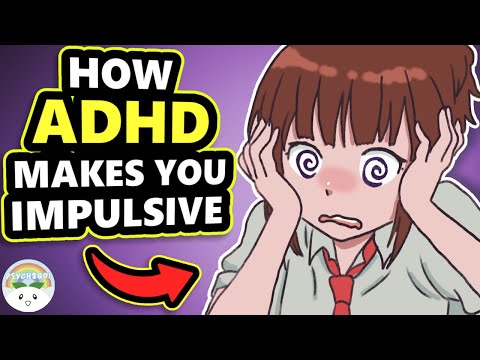
Hey, so let’s chat about hyperactivity and impulsivity. Feels like these words get tossed around a lot, right? But there’s so much more to them.
You ever see a kid bouncing off the walls? Or someone who just can’t seem to wait their turn? That kind of stuff is way more than just being “restless” or “impatient.”
It’s like this whole world of behaviors wrapped up in psychology. And honestly, it’s super interesting once you dig into it.
So grab your coffee, and let’s unravel what hyperactivity and impulsivity really mean!
Understanding the Three Types of ADHD: A Comprehensive Guide
ADHD, or Attention-Deficit/Hyperactivity Disorder, is often misunderstood. It’s not just one thing; there are actually three types of ADHD that people might experience. Let’s break these down a bit.
- Predominantly Inattentive Presentation: This type is where you’ll see more focus on inattention rather than hyperactivity. Folks with this presentation might struggle to pay attention to details or follow through on tasks. Imagine being in a meeting but your mind keeps drifting off to what you’ll have for lunch. It’s frustrating, right?
- Predominantly Hyperactive-Impulsive Presentation: Here, the emphasis is on hyperactivity and impulsivity. So, picture someone who can’t sit still and might blurt things out without thinking first. Like when you’re at dinner and your friend just can’t resist interrupting every conversation with random thoughts! It can be a lot of fun but also a bit chaotic.
- Combined Presentation: This one is a mix of the first two types. A person may have issues with both inattention and hyperactivity-impulsivity. Think of it like juggling; you’re trying to keep up with multiple balls at once, which can get overwhelming super quickly.
Now let’s talk about why it’s important to **understand** these different types.
You see, each type comes with its own set of challenges and strengths. Someone who’s predominantly inattentive might be incredibly creative but struggle to organize their thoughts or workspace. On the other hand, a hyperactive-impulsive person might be full of energy and great at brainstorming ideas but may find it tough to stay focused long enough to turn those ideas into reality.
For example, take Sarah—she’s mainly inattentive. In school, her grades suffer because she can’t concentrate during lectures even if she wants to learn! Then there’s Jake; he’s hyperactive-impulsive. He often gets in trouble for talking too much in class because he just can’t contain his excitement about sharing ideas.
Understanding which type someone has not only helps in supporting them better but also sheds light on their unique ways of thinking and behaving. It really is about seeing the whole person beyond just the “ADHD” label.
So remember, ADHD isn’t one-size-fits-all! It varies from person to person based on how those symptoms manifest—basically how it shows up in everyday life. Recognizing the type can lead to tailored strategies that work best for each individual—think study habits for school or coping mechanisms in social situations.
In summary, ADHD has three distinct presentations: inattentive, hyperactive-impulsive, and combined. Each comes with its own quirks that’ll make you realize there’s no single story when it comes to understanding how ADHD affects people differently—and that’s pretty enlightening!
Identifying Hyperactivity and Impulsivity: 5 Key Signs to Recognize
Sure! Here’s an informative take on recognizing hyperactivity and impulsivity, formatted for clarity.
Hyperactivity and impulsivity can often be tricky to spot, especially because they can look different from one person to another. You might notice these traits in kids, but adults can show them too. Let’s break it down.
- Constant Fidgeting: One of the most common signs is that a person just can’t sit still. If you’re at a table with someone who can’t keep their hands or feet still, tapping or wiggling, that could be it. Picture a kid in class who’s bouncing around in their chair; that’s hyperactivity in action.
- Talking Excessively: Ever been around someone who just… won’t stop talking? They jump from topic to topic without taking a breath? It’s like they’re racing against the clock! This compulsive chatter can be a sign of impulsivity as well.
- Difficulty Waiting: People with hyperactivity often struggle with patience. You might see this when waiting in lines; they may fidget or try to cut in front of others. It’s like they just can’t handle the wait!
- Interrupting Others: This can be really frustrating during conversations. If someone frequently interrupts, it shows a lack of impulse control. Imagine you’re having coffee and every time you start speaking, they jump right in—super annoying!
- Lack of Focus: When tasks feel overwhelming or boring, maintaining attention can be tough for someone prone to these traits. You might catch them daydreaming or looking around instead of staying on track with what they’re supposed to do.
If you recognize these signs in yourself or someone else, that doesn’t automatically mean there’s a disorder involved. It just means there might be some tendencies towards hyperactivity or impulsivity that would benefit from some attention and possibly understanding!
The thing is, identifying these signs isn’t about labeling anyone; it’s about creating an environment where people can thrive without feeling out of place because of their behavior.
Effective Strategies for Reducing Impulsivity in Children with ADHD
When it comes to helping kids with ADHD, you probably know that impulsivity can be a real challenge. These kids often act first and think later, which can lead to some tricky situations, both at home and in school. The good news? There are effective strategies you can use to help them manage this impulsivity better!
First up, let’s talk about structure and routine. Kids thrive on predictability. If you have a daily schedule that they can follow, it helps them know what to expect. For example, make a simple chart showing what they should do during the day: wake up, breakfast, school time, homework, playtime—you get the gist. Visual aids can really work wonders here! It gives them something concrete to look at instead of relying only on memory.
Positive reinforcement is another game-changer. Celebrate when your child waits their turn or makes a thoughtful decision! This means more than just saying “good job.” Maybe you could give them a sticker or extra screen time as a reward. Catching them being good encourages those behaviors to happen more often!
- Modeling appropriate behavior: Kids learn from watching you! So when you’re in situations that require patience—like waiting in line—show them how it’s done. Talk out loud about what you’re thinking: «I’m going to take deep breaths while we wait.» They might pick up those strategies just by seeing you handle things calmly.
- Break tasks into smaller steps: Big tasks can feel overwhelming for any kid but especially for kids with ADHD. If they have homework due on Friday, instead of saying “finish your homework,” break it down: Monday do math problems, Tuesday read a chapter, etc. This makes it feel way less daunting.
- Create safe spaces for energy release: Sometimes kids just need an outlet! Encourage physical play or even short breaks during homework time where they can jump around or squeeze a stress ball. It doesn’t have to be long—just enough to reset their focus.
- Teach self-regulation strategies: It sounds fancy but think of it like giving your kid tools for managing their feelings and actions. Techniques like counting to ten before reacting or taking deep breaths can be super helpful when they’re feeling impulsive.
Anecdote time! There was this one little guy named Ben whom I knew who struggled with waiting his turn during games with friends. His mom started using visual timers – like those sand timers – so he could see how much longer he had to wait before his turn came around again. And guess what? It made such a difference; he was able to control his impulses much better because he could *see* the wait time!
The last point worth mentioning is communication with teachers and caregivers. Make sure everyone involved is on the same page about strategies you’re trying out at home so they can apply similar techniques at school or daycare too! Consistency is key here—it’ll help reinforce learning across environments.
So these are just some ideas on how you can tackle impulsivity in children with ADHD head-on! Every child is different though; what works for one may not work for another. It’s all about finding the right mix that suits your little one best!
Hyperactivity and impulsivity, they can really shake things up, right? Imagine being a kid in class, buzzing with energy, bouncing in your seat while the teacher drones on about math. Or maybe it’s that feeling of needing to blurt something out in a conversation before you even think it through. You know what I mean? It’s like your brain has its own plan, and your body just decides to go along for the ride.
So what exactly is happening here? Hyperactivity often shows up as that excessive movement. We’re talking about fidgeting, running around when it’s not appropriate—kind of like when you’ve had too much sugar. Impulsivity is similar but more about those snap decisions. You might interrupt others or rush into things without weighing the consequences. It can leave people around you raising their eyebrows or shaking their heads.
I remember a friend from school who was always on the go. He couldn’t sit still during lunchtime, constantly leaping up to play or chat with anyone who’d engage him. Teachers found him exhausting sometimes! But there was this spark in him—a creativity and enthusiasm that just shone through. That chaotic energy could be overwhelming for some folks but also made him the life of the party.
In psychology, we often see these traits linked to conditions like ADHD (Attention-Deficit/Hyperactivity Disorder). It’s not just about being a little too energetic; it can impact daily life significantly—school performance, relationships—basically how you fit into the world around you. The thing is, there’s always a spectrum here. Some people might experience just a hint of hyperactivity or impulsivity that doesn’t disrupt their lives too much, while others may struggle more profoundly.
What’s hard is that society tends to view these traits negatively at times—like they’re flaws to fix instead of aspects of personality to understand and navigate. But if we flip that script and look at it differently? We can appreciate how hyperactivity sometimes brings excitement and spontaneity into life! And impulsivity? Well, sometimes those quick decisions lead us on unexpected adventures.
So really understanding hyperactivity and impulsivity involves looking at both sides of the coin—the challenges they pose and the unique strengths they bring along with them. Life’s not all black and white; it’s messy with shades of gray filled with experiences that shape us as individuals, quirks included!