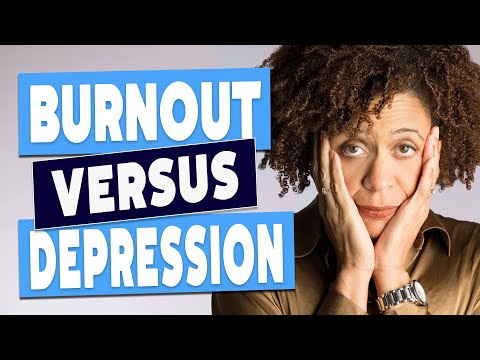
You ever feel like you’re running on empty? Like, no matter how much sleep you get or how many green juices you chug, there’s just no energy left in the tank? Yeah, we’ve all been there.
Psychological exhaustion can hit harder than you think. It creeps in slowly, stealing your spark until one day, you just feel… drained. It’s not just fatigue; it’s like your mind is stuck in slow motion.
But hey, there’s good news! You can totally reclaim that energy. Seriously! It takes a little digging and some self-love, but it’s possible to bounce back from that burnout.
So let’s chat about what this whole thing means and how to start feeling like yourself again. Sound good?
Effective Strategies for Rapid Recovery from Mental Fatigue
Mental fatigue can feel pretty overwhelming, right? You know that drained feeling when your brain is working overtime, and all you really want to do is zone out? It happens to the best of us. But hey, there are some effective strategies you can use to bounce back and reclaim your energy.
First up, let’s talk about sleep. Seriously, the magic of a good night’s rest can’t be overstated. When you’re tired mentally, your brain needs time to recharge. Aim for something like 7-9 hours of quality sleep. But it’s not just about how long you sleep; it’s also about how restful it is. Keep your bedroom dark and cool, and try to stick to a bedtime routine.
Next on the list: take breaks. Sounds simple, huh? We often push ourselves too hard without realizing it. Maybe set a timer for every hour while working or studying. Use that time to stretch, grab a drink, or go for a short walk outside—whatever gets you moving!
Also, consider mindfulness. Mindfulness practices like meditation or deep-breathing exercises work wonders for clearing mental clutter. Even setting aside just 5-10 minutes to focus on your breath can help reset your mind.
You might not realize it, but staring at screens all day can drain you faster than you think. If you’re always glued to your phone or computer, try taking digital breaks. This doesn’t mean cutting off from technology completely; just be mindful of how much time you’re spending on social media or watching TV.
Stay hydrated! You wouldn’t believe how dehydration can mess with your energy levels and mental clarity. Aim for at least 8 glasses of water each day—more if you’ve been active or it’s hot out.
Eating balanced meals rich in vegetables, whole grains, lean proteins, and healthy fats fuels both body and mind. Plus—snack smart! Nuts or fruits are great between meals while keeping sugar crashes at bay.
And don’t forget social connections! Spending time with friends—even just chatting over coffee—can lift your spirits immensely. There’s something about connecting with people that helps revitalize your mind.
Lastly, dive into something creative! Whether it’s drawing, writing in a journal or picking up an instrument again—it’s like giving your brain a fun workout that feels less taxing than regular tasks.
So there you have it; some solid strategies to tackle mental fatigue head-on! Remember: the path back to feeling energized looks different for everyone. Try mixing these ideas until something clicks for you; after all—it’s all about finding what works best in *your* life!
Navigating Legal Challenges: Options After Exhaustion from Disputes
It’s totally normal to feel drained after dealing with legal disputes, right? When you’re deep in the weeds of legal challenges, it can be overwhelming, and you probably find yourself feeling mentally and emotionally exhausted. It’s like running a marathon where the end keeps getting pushed further away. So let’s talk about how you can reclaim that lost energy as you navigate these hurdles.
Understand Your Exhaustion. First off, give yourself a break. Seriously, legal battles take a toll on your mind and body. It might help to just acknowledge how you’re feeling. You might be experiencing stress that manifests in headaches, fatigue, or even irritability. Recognizing this is super important because it’s your brain’s way of telling you that it needs some TLC.
Take a Step Back. Sometimes, when you’re so caught up in disputes, stepping back can be really beneficial. Give yourself space to breathe and think clearly. This doesn’t mean ignoring the issues but creating some mental distance so that you’re not constantly spinning your wheels. Think of it as hitting the pause button on Netflix; sometimes you gotta walk away to recharge.
Connect with Others. Engaging with friends or family who have gone through similar situations can provide real relief. Sharing stories or simply venting can lighten that mental load—trust me! You’ll find comfort knowing others have faced their own legal mini-dramas and made it out okay.
Explore Alternative Options. Once you’re feeling a bit more centered, it’s time to look for other options in dealing with your situation. Maybe mediation or arbitration could work instead of dragging everything into court again? These alternatives can save time and cut down on stress levels big time.
Practice Self-Care. Seriously prioritize self-care during this phase. It could be anything from yoga classes (great for stress relief) to just unwinding with a good book and a cup of tea on the couch. Whatever makes you feel peaceful matters here! Taking care of yourself fuels your ability to face challenges head-on.
- Journaling: Write down how you’re feeling about the whole situation regularly.
- Meditation or Mindfulness: Even five minutes helps reset your thoughts.
- Physical Activity: Go for walks or hit the gym; movement releases those feel-good chemicals.
- Limit Exposure to Negativity: Stay away from people or news that drain your energy.
- Seek Professional Support if Needed: Talking to someone who gets it can really help clarify thoughts.
At some point, you might need to assess what’s working for you legally and what isn’t—don’t hesitate to consult with someone who knows the ins and outs better than you do! That’s not failure; it’s being smart about resources!
The key takeaway is: don’t let exhaustion dictate how you approach these challenges. With some solid self-care techniques and support systems in place, you’ll find that hidden energy reserves again. Just remember—it’s okay to need help along the way!
Effective Strategies for Replenishing Emotional Energy: A Comprehensive Guide
Emotional energy is one of those things we often take for granted until it’s running low. You know that feeling when everything feels **heavy**, like you’re dragging around an anchor? That’s psychological exhaustion creeping in. Replenishing your emotional energy is essential for keeping your spirits up and maintaining a healthy balance in life. Here’s how to tackle this head-on.
First up, recognize your limits. You can’t pour from an empty cup, right? If you’re constantly overcommitting or stretching yourself thin, it’s time to hit pause. Think about a time you tried to do too much—like juggling work, family, and social obligations all at once. Stress levels spike, and soon enough, you’re hitting walls left and right.
Next, it’s super important to make space for self-care. What does that mean? Well, think simple: grab a book that makes you giggle or binge-watch that series you’ve been eyeing for ages—whatever helps you unwind! It’s not selfish; it’s necessary. Maybe even try taking a short walk outside or just sitting quietly with a cup of tea. Nature’s calming effect works wonders!
Another great strategy is to connect with others. That supportive friend who always knows what to say? Calling them can be like plugging your phone into the charger after a long day of use. Sharing what you’re feeling can lighten the load—a problem shared is half solved, after all.
It’s also crucial to embrace mindfulness. This doesn’t mean sitting in silence for hours (unless you want to!). Just focusing on your breathing for a few minutes can make you feel more grounded. Imagine sitting in your favorite coffee spot and just enjoying the ambiance without distractions—that’s mindfulness in action.
And don’t forget about physical activity. Exercise isn’t just about getting fit; it seriously boosts your mood! Even something as simple as dancing around your living room can release those happy chemicals called endorphins. Seriously! Remember that time when moving around made you feel free? Exactly.
Lastly, consider practicing gratitude. It sounds cheesy, but reflecting on the good stuff—even if it’s just one small thing—can switch up your perspective big time! Keep a journal where you jot down things you’re thankful for each day. It builds resilience against those tougher days when everything feels off-kilter.
So there you go—some effective strategies that can help replenish emotional energy when you’re feeling drained. Pay attention to how each approach works for you because there isn’t one-size-fits-all advice here. Just keep experimenting until something clicks!
So, let’s talk about psychological exhaustion. You know that feeling when you’re just drained? Like, no matter how much sleep you get or coffee you drink, it feels like there’s a fog hanging over your brain? Yeah, that’s what I mean. It sneaks up on you, often when you least expect it.
I remember this one time I was juggling work, family stuff, and some personal projects. It felt like I was running a marathon without even training for it. One day, I sat down to write an email and ended up staring blankly at the screen for what felt like hours. Just nothingness. It was frustrating! That’s when I knew something had to change.
Psychological exhaustion can pop up from many sources—stress from work or school, personal issues, or even just the ongoing noise of everyday life. It’s like your brain has too many tabs open in a browser; eventually, it just crashes.
But here’s the thing: reclaiming your energy isn’t about flipping a switch—it’s more of a gradual process. It calls for some self-care practices and really tuning in to what your mind and body need. First off, have you ever tried saying “no” to things? Seriously! Setting boundaries can make a huge difference. You don’t have to do everything all at once.
It’s also super helpful to create little moments of joy in your day-to-day life—like taking a walk outside or diving into a hobby you love (even if it’s just watching that series everyone keeps talking about). Those small breaks can recharge your mental batteries in ways you’d never expect.
And let’s not forget about connecting with others! Chatting with friends or family can lift that heavy weight off your shoulders. Sometimes sharing how you’re feeling is all it takes to feel lighter and more energized.
Sure, reclaiming energy takes time and effort—you might not see changes overnight—but even tiny adjustments can lead to big improvements in how you feel overall. Remember that blank screen? Well, eventually I started writing again—not perfectly but enough to get my thoughts flowing again.
In essence, overcoming psychological exhaustion isn’t about finding an instant fix; it’s more like nurturing yourself back to life bit by bit. And that journey is unique for everyone! So give yourself grace along the way; you deserve it!