Living with schizophrenia? Yeah, it’s a wild ride.
You might think it’s just about hearing voices or seeing things, but trust me, it goes way deeper. There’s a whole world inside that mind that’s often misunderstood.
Imagine dealing with thoughts and feelings that twist and turn on you. It can feel like being lost in a maze without a map—confusing and scary, right?
But hang on! There are insights and experiences from real people that shine light on this journey.
Let’s explore what living with schizophrenia really means. Buckle up; it’s going to be an eye-opener!
Understanding High Functioning Schizophrenia: Symptoms, Signs, and Daily Life Impact
Understanding High Functioning Schizophrenia can seem daunting, but when you break it down, it’s more relatable than you’d think. This form of schizophrenia allows some people to lead relatively normal lives while experiencing symptoms that can be pretty intense. Let’s explore what it looks like—like a peek into someone’s mind.
People with high functioning schizophrenia often manage to keep a job, maintain relationships, and live independently. However, they might struggle internally with thoughts and perceptions that others don’t see. It’s like wearing a mask for the outside world while battling inner turmoil.
Symptoms and Signs are varied but generally include:
- Auditory Hallucinations: Hearing voices that others don’t hear can be unsettling. You might feel like you’re having conversations that no one else is part of.
- Delusions: These are strong beliefs in things that aren’t true, like feeling you’re being watched or having special powers.
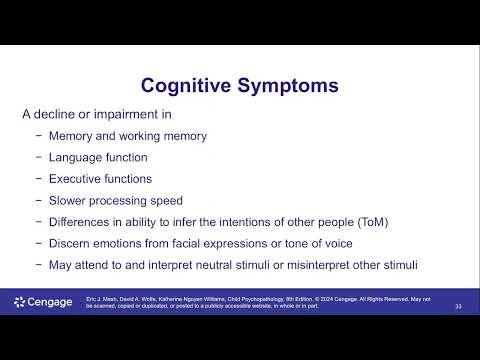
- Cognitive Challenges: Sometimes organizing thoughts can feel like trying to untangle a big ball of yarn.
- Social Withdrawal: It might get hard to connect with people. You could feel distant or even paranoid about social situations.
Now, imagine sitting in a coffee shop, enjoying your latte while your mind races through various worries. That’s a glimpse into daily life; it can be utterly exhausting! When someone is “high functioning,” they often learn strategies to cope with these symptoms without letting them disrupt their entire life.
The impact on daily life is real and significant. You may find yourself feeling overwhelmed by everyday tasks—like going grocery shopping or even getting out of bed some days. That’s common; handling the noise in your head while juggling responsibilities is tough!
People living with this condition may also face stigma from folks who don’t understand what they’re going through. It’s frustrating when others make assumptions based on stereotypes rather than listening to personal experiences.
But let’s not forget resilience! Many individuals develop coping mechanisms through therapy or support groups—finding ways to communicate their feelings without fear of misunderstanding.
In essence, high functioning schizophrenia isn’t just about struggling; it’s about navigating life’s complexities while carrying an extra load. Every day presents its own set of challenges and victories—it can feel isolating at times but also shows incredible strength.
So if you know someone dealing with this or if you’re curious about the journey yourself, remember: understanding goes a long way in easing the burden for everyone involved!
Navigating Life with Schizophrenia: Strategies for Leading a Fulfilling and Normal Life
Navigating life with schizophrenia can be a real rollercoaster, right? It’s not just about the symptoms you might have heard of like hallucinations or delusions. It’s about figuring out how to handle daily life while managing these very real experiences. So, let’s talk through some strategies that can help those living with schizophrenia lead fulfilling lives.
Understanding Your Condition is the first step. A solid grasp of what schizophrenia is can make a big difference. It’s more than just a mental illness; it affects your thoughts, feelings, and behaviors in ways that can seem overwhelming sometimes. You know that feeling when you’re trying to explain your thoughts to someone and they just don’t get it? That’s part of what makes navigating this condition tricky.
Then there’s building a support system. Surrounding yourself with understanding friends and family is essential. They can help when things get tough and offer emotional support. You might want to establish open lines of communication with them about your experiences—what helps you feel grounded or what makes things harder.
Establishing routines also plays a significant role. Routines can offer stability in the midst of chaos. Having structured days can help reduce stress and anxiety levels, making everything seem less daunting. For instance, try setting specific times for meals, work, self-care, and relaxation.
Connecting with mental health professionals, like therapists or psychiatrists, is crucial too. They provide guidance tailored to your needs and help manage medications if you’re on them. Like having GPS for navigating life; they keep you on track when things start feeling out of control.
Coping strategies are another tool in your toolbox. These might include relaxation techniques like deep breathing exercises or mindfulness practices that keep you present in the moment instead of getting lost in overwhelming thoughts. Have you ever been doing something simple but found your mind wandering into darker territories? Mindfulness helps pull you back into reality.
And let’s not forget about setting achievable goals. Whether they’re personal or professional, small steps toward larger ambitions can be incredibly motivating. A simple goal like reading one chapter of a book or going for a short walk each day adds up over time! Celebrating those little wins reminds you that progress is possible despite challenges.
Finally, let yourself embrace creativity. Many people find art as an outlet for expression—be it painting, writing, or music—these activities allow emotions and thoughts to flow freely without judgment or restraint. It could be an amazing way to navigate tough feelings while also discovering more about yourself along the journey.
Living with schizophrenia means facing unique challenges every day—I totally get that it’s not easy! But by implementing these strategies and leaning on supportive people around you, it becomes possible to lead a fulfilling life filled with meaning and connection. While it’s important to take care of yourself physically and mentally, remember: you’re definitely not alone in this adventure!
Real-Life Stories of Paranoid Schizophrenia: Understanding the Experience and Impact
Paranoid schizophrenia is one of those things that many people hear about but few truly understand. It’s not just a label; it’s a complex mix of experiences, feelings, and thoughts that can feel overwhelming. Imagine living in a world where you can’t really trust anyone or anything around you. That’s a piece of the puzzle.
When we think of **paranoid schizophrenia**, we’re usually looking at symptoms like delusions and hallucinations. Delusions are strong beliefs in things that aren’t real—like thinking someone is out to get you or believing you’re being watched all the time. Hallucinations, on the other hand, might make you hear voices or see things others don’t. You might feel like you’re on a rollercoaster of fear and confusion, which is honestly really tough.
Here’s an example: Sarah was just your average college student who loved literature and hanging out with friends. But then she started feeling like her classmates were whispering about her behind her back. At first, it was annoying, but soon she was convinced they were plotting against her. This feeling consumed her daily life, making it tough to focus on school or even enjoy time with friends.
Living with paranoid schizophrenia doesn’t just affect how someone thinks; it changes how they relate to others too. Social isolation can become intense because pulling away from friends often feels safer than risking betrayal or rejection. So, instead of leaning on loved ones for support, individuals might find themselves alone in their struggles.
But there are also stories of resilience! Some people develop coping strategies over time—like journaling their thoughts to differentiate between what’s real and what’s not. Others find strength in support groups where sharing experiences offers both validation and community.
The **impact** of paranoid schizophrenia extends beyond the individual—it affects families too. They often go through confusion and heartache trying to understand what their loved one is experiencing. It’s not uncommon for family members to feel helpless when they see someone they care about grappling with these intense feelings of paranoia.
Understanding this condition also means recognizing that it isn’t someone choosing to feel this way; it’s part of a mental health issue that requires compassion and support rather than judgment or fear.
So yeah, living with paranoid schizophrenia can be incredibly challenging—but awareness can help chip away at the stigmas surrounding mental health issues! By sharing these stories and fostering open conversations about experience mental health challenges, we can create more understanding spaces for everyone involved.
Living with schizophrenia is like navigating a winding road that’s full of unexpected turns and bumps. You know, sometimes, it feels like you’re cruising along just fine, and other times the shadows creep in, making everything seem a bit off-kilter. It’s not just about the hallucinations or delusions; it’s a complex blend of thoughts, emotions, and social interactions that can change from one moment to the next.
Imagine this: you’re at a party. The music is pumping, and everyone seems to be having a blast. But then suddenly, you start hearing whispers that nobody else seems to hear. It’s like your own personal soundtrack has gone rogue, pulling your focus away from the laughter around you. It’s disorienting! You’d probably want to bolt out of there or seem super distracted. That’s just a slice of what living with schizophrenia can feel like.
And then there are the moments of clarity—those rare instances when everything clicks into place. It might be a conversation with a friend who really gets it or even just sitting quietly in nature and feeling connected to the world again. It’s in these times that hope shines through, reminding you that life isn’t all dark clouds.
But it’s not just about those highs and lows; it’s about the process of understanding yourself amidst all this chaos. People often think they “get” it because they’ve read about it or seen it on TV. But experiencing it firsthand? That’s where the real story lies. Folks living with schizophrenia might become experts in their own journey—learning what triggers them, finding coping mechanisms (like grounding techniques), or simply leaning on trusted friends for support when things get tough.
Plus, let’s chat about stigma for a second! A lot of people still hold on to misconceptions about mental illness—like it being something scary or shameful. But honestly? That adds yet another layer to an already complicated experience. Breaking free from those stereotypes takes time and understanding from both sides.
There are days when talking openly about these experiences can feel daunting—you might wonder how people will react or if they’ll even understand what you’re going through. But every conversation can help peel back layers of misunderstanding and build connections that matter.
Ultimately, living with schizophrenia is less about defining oneself by symptoms and more about embracing the journey—even if it’s bumpy at times! Everyone’s road looks different; some days may feel heavy while others may bring surprising lightness and joy.
So here’s to those navigating this winding path: keep seeking connection, understanding yourself deeply, and chasing those moments of light that give you strength on your journey!