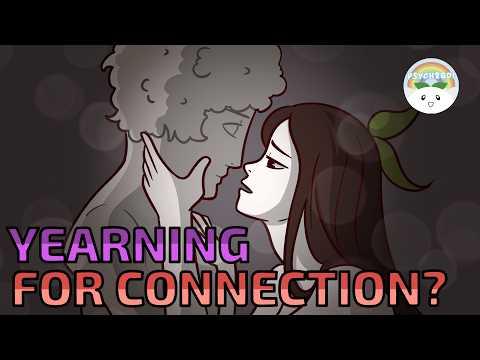
You know that feeling when you’re in a crowded room but still feel kind of alone? Yeah, that’s loneliness.
It’s wild how in this age of constant connection, so many of us still feel isolated. Like, seriously, what’s up with that?
Loneliness isn’t just something for the sad movie scenes. It can really mess with your head and heart.
Psychologists are digging deep into this silent struggle. They’re trying to figure out why it hits us so hard and how we can tackle it.
So, let’s chat about what loneliness really means in today’s world and why it matters more than ever.
Exploring the Loneliness Epidemic Among Gen Z: Causes, Impacts, and Solutions
The loneliness epidemic among Gen Z is, well, a heavy topic. Young people today are facing unique challenges that contribute to feelings of isolation. Dive in with me as we explore what’s going on.
So, what’s causing this wave of loneliness? For starters, the digital world is a double-edged sword. Social media platforms connect you to countless people across the globe but can also create a sense of disconnection from those who are physically around you. Imagine scrolling through your feed and seeing friends hanging out without you—even though it’s just a snapshot and not the whole story. It can make you feel left out or disconnected from real-life relationships.
Another factor is the pressure to perform. Gen Z often feels intense societal expectations regarding success and achievement. Balancing school, work, and social life can be overwhelming. This pressure might lead to anxiety and withdrawal from social situations, creating a cycle where the more stressed you get, the more isolated you become.
The impacts are serious. Loneliness doesn’t just feel bad—it can have real consequences on mental health. Studies show that chronic loneliness can lead to issues like depression and anxiety. It might start as just feeling blue when you’re alone but can escalate into something much more challenging over time.
Now let’s talk about some solutions! One way to tackle loneliness is by fostering real connections. This means prioritizing face-to-face interactions, even when it feels easier to text or DM someone instead. Think about it: a call or coffee date could make all the difference in how connected you feel.
Another solution involves community building. Joining clubs or organizations that align with your interests can help create bonds with like-minded individuals. Whether it’s art classes, book clubs, or volunteering—finding community spaces allows for shared experiences and meaningful conversations.
Finally, recognizing your feelings is key! Acknowledging loneliness is not a sign of weakness; it’s an opportunity for growth. You’re not alone in this struggle—more people than you realize are feeling similar disconnects.
So yeah, while Gen Z faces significant challenges regarding loneliness today, understanding these causes and adopting strategies for connection can make all the difference in navigating this silent struggle. You’re not just fighting this battle alone—it’s something many share together!
Exploring Freud’s Perspectives on Loneliness: Insights and Implications
Freud had some interesting views on loneliness that can still resonate with us today. He saw loneliness as something deep-rooted in our psyche. Basically, he believed that feelings of isolation often stem from unresolved conflicts within ourselves. When you think about it, that makes sense; life can throw a lot of emotional punches, and sometimes we end up feeling disconnected.
One key point he highlighted was the idea of the unconscious mind. Freud thought that much of our behavior is driven by hidden desires and fears. So when someone feels lonely, it could be a signal that they’re grappling with those unacknowledged parts of themselves. Like, maybe they’re not letting themselves connect because they fear rejection or intimacy. It’s kind of like putting up a wall without even realizing it!
Another intriguing aspect is Freud’s concept of defense mechanisms. These are the mental tricks we use to protect ourselves from anxiety. For example, if you’ve ever felt lonely but told yourself, «I prefer being alone,» that’s a form of rationalization. You’re trying to shield yourself from the pain of loneliness by convincing yourself that being alone is a choice. That self-talk might help in the moment, but it can also keep you stuck in isolation.
Freud also talked about the significance of childhood experiences. He believed that early relationships shape how we connect with others later in life. If you grew up feeling neglected or unloved, those feelings could resurface as loneliness in adulthood. It’s not just about having friends or family around; it’s about how secure and connected those early bonds made you feel.
And guess what? The implications are pretty profound! Understanding Freud’s ideas can help us realize why we feel alone at times and encourage us to examine our pasts and emotions more closely. It gives you an opportunity to really think about your relationships and how they impact your sense of belonging.
In modern psychology, loneliness is seen as more than just a personal issue; it’s become a public health concern too. Research has shown links between loneliness and various health problems—like depression and anxiety—making Freud’s insights even more relevant today.
So next time you’re feeling lonely or hear someone say they’re struggling with it, remember Freud’s perspectives: it’s often tied to deeper issues within ourselves and our histories. Acknowledging these feelings might just be the first step towards breaking down those walls we’ve built around us!
Exploring George Orwell’s Insights on Loneliness: A Literary Perspective
When it comes to the topic of loneliness, George Orwell’s insights might feel strikingly relevant, even today. You see, Orwell was more than just a writer; he was a keen observer of human nature and society. His works often reflected the struggles of individuals in oppressive systems, which can lead to profound feelings of isolation.
In his novel Nineteen Eighty-Four, Orwell portrays a world where personal connections are virtually impossible. The protagonist, Winston Smith, experiences deep loneliness as he grapples with surveillance and control. Imagine living in a place where you’re constantly watched, you know? It would make anyone feel isolated and disconnected from others.
Orwell captures this essence when he describes how the Party erases personal bonds. People are discouraged from forming relationships outside their assigned roles. This notion echoes modern psychology, which often highlights how social networks are essential for mental health. Without genuine connections, loneliness can fester and grow.
Another notable piece is Orwell’s essay The Road to Wigan Pier, where he discusses the living conditions of the working class in England. He emphasizes how economic hardship contributes to feelings of alienation and despair. Think about it: when you’re struggling to make ends meet, connecting with others feels like an uphill battle. You might feel like nobody understands your real struggles.
This idea that social circumstances influence loneliness is crucial today as well. In modern society, many people report feeling more alone despite being surrounded by technology and social media. That irony isn’t lost on us! Orwell’s observations remind us that true connection goes beyond mere presence—it’s about understanding and empathy.
You might also notice how characters in Orwell’s works often face internal battles alongside external pressures. The sense of being trapped within oneself can be incredibly isolating. Winston’s internal struggle reflects what many people experience: that yearning for connection yet feeling unable to reach out for fear of judgment or rejection.
The Silent Struggle of loneliness isn’t just an abstract concept; it’s something so many people deal with today. It can lead to mental health issues like depression or anxiety if left unchecked. Those feelings resonate deeply with Orwell’s themes: questioning authority while longing for authentic human interactions.
If we look closely at today’s world through this lens, there’s something powerful about acknowledging our own loneliness. Whether it’s through literature like Orwell’s or our daily experiences, recognizing these feelings might just be the first step toward finding meaningful connections again.
Ultimately, George Orwell didn’t just write about loneliness; he made us think critically about what leads to it—the societal structures that isolate us and our own internal struggles that keep us alone even in a crowd.
Loneliness, man, it’s one of those things that can creep up on you when you least expect it. You can be in a crowded room and still feel like the only person there. It’s kinda wild how that happens, right? It feels like this fog just settles in around you, and suddenly everyone else is off having their conversations while you’re stuck in your head.
Modern psychology has really started to pay attention to this silent struggle. They’re realizing that it’s not just about being physically alone but more about the emotional disconnect. So many people walk around feeling isolated even if they aren’t physically alone. Think about it: you could be chatting with friends or scrolling through social media and still feel this deep sense of loneliness. That disconnection is what can be pretty tough to deal with.
I remember a time when I got caught in that cycle myself. I was surrounded by friends at a party, yet I felt like I was on the outside looking in. Everyone else seemed to be having a blast while I just sat there, sipping my drink and nodding along, but my mind was elsewhere. That feeling lingered for days—like a little shadow following me around.
Psychologists have noticed that loneliness can have some serious effects on our mental health too, leading to anxiety and depression. It’s like this vicious circle: feeling lonely makes us withdraw even more, which then intensifies those feelings of isolation. That trap is no joke! The interesting thing is that many aspects contribute to feelings of loneliness—culture shifts, social media pressures, or just changing life circumstances.
What’s kinda comforting though is knowing you’re not alone in feeling lonely! Seriously! A lot of people go through it but don’t really talk about it. Opening up about those feelings might help bridge that gap we all sometimes feel between us and the world. When we share experiences, we create connections—real ones!
In exploring loneliness from a psychological perspective, it becomes clear that acknowledging this emotion doesn’t mean we’re weak or flawed; rather it’s an essential part of being human. Being real about these feelings helps us figure out how to cope better and maybe even reach out when we need help.
So next time you find yourself feeling lonely—even when you’re surrounded by people—remember: you’re definitely not alone in this struggle! It’s okay to voice those feelings; vulnerability can actually lead to deeper connections and understanding among us all!