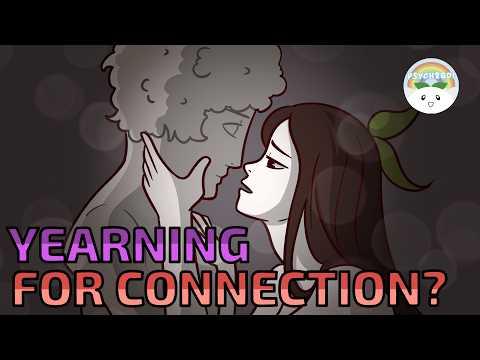
You know that feeling when you’re surrounded by people, but it still feels like no one gets you?
It hits harder than you’d think. Isolation isn’t just being alone; it’s a whole thing with layers.
Sometimes, it sneaks up on you, leaving you wondering why you feel so disconnected.
I mean, we all crave connection, right? But for lots of reasons—like stress or even past experiences—sometimes we just don’t feel it.
So, let’s chat about what this isolation thing is all about. We’ll dig into why it happens and how to wriggle out of that emotional fuzziness together. Sound good?
Understanding the Four Stages of Loneliness: A Comprehensive Guide
Understanding loneliness can feel like wandering through a foggy path, uncertain and a bit daunting. It doesn’t just pop up out of nowhere. There are stages to it, and getting to know each one can be pretty enlightening.
Stage 1: Feeling Alone
This is the initial stage where you start feeling like you’re on the outside looking in. You might be surrounded by people—at work, in class, or even at family gatherings—but still sense that emotional distance. Imagine sitting at a party where everyone’s laughing, but you’re just sipping your drink and wondering how you got there in the first place. That feeling of being disconnected is pretty common.
Stage 2: Recognizing Loneliness
Here’s where things get real. You start to acknowledge that this sense of isolation isn’t going away. It’s like realizing you’ve been wearing shoes that are too tight for way too long but didn’t want to admit it. Maybe you find yourself scrolling through social media, seeing others connecting and sharing their lives while you feel left out. This awareness can be tough because it makes the experience more obvious and harder to ignore.
Stage 3: Intensifying Feelings
At this point, those feelings of loneliness can intensify. It can feel heavy—like carrying around an invisible weight on your shoulders. You might notice mood swings or even a lack of interest in activities you once loved—think about how someone might stop going for their favorite walks or skip out on catching up with friends because they just don’t feel up to it anymore. This stage often leads to self-reflection; maybe you start questioning your relationships or even yourself.
Stage 4: Seeking Connection
Finally, we have the stage where you’re yearning for connection—like finding water after being parched for ages. This urge can drive some people to reach out again, even if it feels scary at first! Maybe you’ll text an old friend or join a class to meet new folks who share your interests. The desire for connection becomes stronger than the fear of rejection or vulnerability.
It’s so important to remember that loneliness is something many people deal with at various points in their lives—it’s more common than we often think! Acknowledging these stages isn’t about labeling yourself; it’s more like shining a light on what you’re experiencing so you can navigate it better.
Feeling lonely is tough but understanding its stages helps us realize we’re not alone in our feelings after all! It opens doors for deeper conversations with ourselves and those around us, which is really what human beings are all about—connecting with each other.
Effective Strategies to Overcome Feelings of Isolation: A Comprehensive Guide
Feeling isolated is something we all go through at different points in life. You know that sensation when you’re in a crowded room but still feel completely alone? Yeah, it’s pretty tough. But the good news is there are effective strategies you can use to overcome those feelings. Let’s break it down, shall we?
Connect with Others
This is like the first thing on your list. Reach out to friends, family, or even acquaintances. It doesn’t have to be a deep conversation; a simple text or call can work wonders. If you’re not sure where to start, try chatting with someone about your day or sharing a funny meme. Seriously, it’s amazing how little moments of connection can brighten your mood.
Engage in Activities
You might find that getting involved in hobbies helps alleviate some of that isolation. Whether it’s joining a book club, taking up painting, or even gardening—anything that gets you engaging with others and doing something you love is perfect! Remember when you picked up biking during that summer? The excitement and those new friends made all the difference, huh?
Volunteer Your Time
Helping others not only makes a difference in their lives but also gives you that warm fuzzy feeling inside. Find local charities or community organizations where you can pitch in. It’s an opportunity to meet people who share similar values and interests while knowing you’re contributing positively.
Practice Self-Compassion
Sometimes we need to be kinder to ourselves when feeling lonely. Does beating yourself up for feeling this way make it better? Nope! Instead, treat yourself like you’d treat a friend going through a rough patch. Talk it out with yourself as if you’re comforting someone else—it sounds silly but it works!
Create Routines
Having structure in your day can provide comfort and a sense of stability. Try setting up daily habits: wake up at the same time each day, eat meals regularly, or schedule exercise into your week. Remember when making morning coffee was part of your routine? It felt good! Patterns help reduce uncertainty and create predictability.
Limit Social Media Use
Scrolling endlessly through social media feeds often leads to comparison and even more feelings of isolation. Instead of connecting with people authentically, we end up feeling worse about ourselves by watching curated snippets of other lives—yikes! If necessary, set limits on how much time you spend online.
Find Professional Help
It’s perfectly okay if things feel heavy sometimes; talking to a therapist or counselor can be really beneficial too! They provide tools and strategies tailored specifically for what you’re facing.
So yeah, navigating feelings of isolation isn’t easy—but implementing these strategies little by little can make a huge difference over time! Remember: reaching out for help is always okay; no one has to do this alone!
Understanding Isolation: A Psychological Perspective on Emotional Well-Being
Isolation can hit hard, right? Seriously, it’s one of those feelings that creeps up on us when we least expect it. Maybe it’s after a breakup, a big move, or even just after a long work week where you haven’t seen anyone. The thing is, understanding **isolation** from a psychological angle can shed some light on how it affects our emotional well-being and overall mental health.
When people talk about isolation, they often mix it up with *loneliness*. But they aren’t quite the same. **Loneliness** is that internal feeling of being alone even when you’re surrounded by others. Meanwhile, isolation is more about being physically cut off from social interactions. You can feel lonely in a crowd or feel isolated in your own space. Crazy how that works, huh?
Now let’s break down the **effects of isolation** on your emotions and mental state:
- Increased Anxiety: Being isolated can ramp up feelings of worry and nervousness. You start thinking too much because there’s not much distraction around.
- Depressive Feelings: When you’re cut off from social contact for too long, it’s common to feel down or even hopeless.
- Cognitive Decline: Yep! Isolation can actually affect how you think. Your brain loves social interaction—it keeps things sharp!
- Physical Health Risks: It might sound wild, but being isolated can lead to health problems like heart disease or weakened immune systems.
If you’ve ever experienced that gnawing feeling of being disconnected from everyone else, you know how intense it can get.
Let’s say you’ve been living alone during the pandemic and suddenly realize you haven’t spoken to anyone in days—your mind starts to race! You might replay past conversations over and over or get stuck spiraling into negative thoughts. So what gives?
The lack of human connection reduces those little boosts of joy we get from interactions—the smiles, laughter, or even just having someone listen to us. These exchanges release chemicals in your brain like oxytocin and serotonin—those feel-good hormones that help lift your spirits.
But hey, it’s not all doom and gloom! There are ways to navigate through feelings of isolation.
- Reach Out: Just texting a friend or joining an online group can make a difference.
- Create Routines: Keeping yourself busy with hobbies or setting daily goals gives a sense of structure.
- Meditation and Mindfulness: Engaging in mindfulness exercises can ground you when everything feels overwhelming.
- Pursue New Interests: Trying something new—like painting or learning an instrument—can spark joy and connect you with others who share similar interests.
Imagine trying out a new class online! You’d meet people who like the same stuff as you do. That connection could open doors to friendships—or at least pleasant chats!
The bottom line is that while isolation may come knocking at some point in life (and sometimes stays too long), addressing those feelings head-on and finding ways to connect again makes all the difference. After all, as social beings, we thrive on connection!
Feeling isolated can hit hard, you know? It’s like being in a crowded room but still feeling all alone. You might think, “How can this happen?” Well, loneliness isn’t just about being physically by yourself. It’s more about how connected we feel to others.
Think back to a time when you felt disconnected. Maybe you were surrounded by friends at a party, but your mind was elsewhere—feeling like an outsider looking in. While some folks thrive in social settings, others might find the experience overwhelming. That’s where feelings of isolation creep in.
Psychologically speaking, this isolation can show up in different ways. It could be that nagging sense of disconnection or even an intense sadness that lingers. The brain absorbs these feelings and responds with everything from anxiety to depression. When you feel left out, it can start messing with your self-esteem and overall mental wellness.
But it’s essential to realize that it’s completely human to feel this way. Everyone goes through phases of emotional ups and downs; it doesn’t mean there’s something wrong with you! Engaging with people—even if it’s online—can sometimes give that spark back. Reaching out is key, be it through a quick text or joining a group that shares your interests.
You know what else? Embracing solitude can also be empowering! Sometimes, stepping away from the hustle and bustle allows for reflection and self-discovery. But balance is crucial here. Too much time alone can lead to those heavy feelings creeping back in.
It’s all about navigating the tricky waters of connection and disconnection. Remember, you’re not alone in feeling isolated at times. Many people are out there grappling with similar emotions. Just keep reaching out; there’s always hope for connection waiting around the corner!