You know, depression can sneak up on you when you least expect it. One minute you’re fine, and the next, everything feels heavy. It’s like carrying a backpack full of bricks—nobody really sees it, but you feel it.
Sometimes people think it’s just being sad or having a rough day. But there’s way more to it than that. You might notice shifts in how you feel or act. Even little things can be telling.
Maybe you’ve stopped enjoying your fave shows or lost interest in hanging out with friends. Or perhaps mornings feel like climbing a mountain. It can be tricky to spot these signs in yourself or others.
But recognizing those clues is super important. It’s not about diagnosing or judging—just understanding what might be lurking beneath the surface. So let’s chat about the everyday signs of depression and how they might show up in life!
Understanding Depression Tests: A Comprehensive Guide to Assessment and Diagnosis
Understanding depression tests can seem a bit daunting at first. But really, they’re just tools designed to help identify and diagnose depression. Think of them like road signs guiding you through the sometimes confusing highway of mental health. So, let’s break it down.
What Are Depression Tests?
These are specific questionnaires or assessments that professionals use to determine if someone is experiencing depression and to what extent. They ask about your feelings, thoughts, and behaviors over the past few weeks or months.
Common Types of Tests
There’s a variety of tests out there. Here are a few widely used ones:
- The Beck Depression Inventory (BDI): This one has 21 items that ask how you’ve been feeling recently.
- The Patient Health Questionnaire-9 (PHQ-9): Just 9 questions that focus on your mood and activities during the last two weeks.
- The Hamilton Rating Scale for Depression (HAM-D): Usually conducted by a clinician, this one’s more in-depth and often used in research settings.
How Do They Work?
When you sit down to take one of these tests, it’s about answering honestly. The questions might range from “How often have you felt sad?” to “Have you lost interest in activities you once enjoyed?” Your answers help create a picture of where you’re at mentally.
Scoring and Interpretation
After completing the test, your responses get scored based on predefined criteria. Higher scores typically suggest more significant symptoms of depression. For instance, if you scored high on the PHQ-9, it might indicate moderate to severe depression.
Recognizing Signs in Everyday Life
Before jumping into testing territory, it’s also really important to be aware of the everyday signs of depression in yourself or those around you:
- Persistent sadness or low mood
- A noticeable decrease in energy levels
- Losing interest in things that used to bring joy
- Difficulties with sleep—either sleeping too much or too little
- A change in appetite or weight
Imagine you’ve got a friend who used to love painting but now barely picks up a brush anymore because they’re feeling low all the time. This could be a sign worth paying attention to.
The Importance of Professional Help
If someone scores high on these tests—or even if they’re struggling with signs but haven’t tested—it’s crucial they reach out for professional support. These assessments can guide treatment options like therapy or medication when necessary.
In short, while depression tests are helpful tools for recognizing struggles with mental health, they’re just one small part of understanding what’s going on inside us emotionally. If things feel heavy, don’t hesitate; find someone who can help navigate through it all uniquely!
Identifying the Signs of Depression in Men: Understanding Symptoms and Seeking Help
Recognizing the signs of depression in men can be tricky, mostly because it often looks different than what you might expect. Society usually puts this idea that guys should be tough and keep their feelings to themselves. So, symptoms can sometimes go unnoticed. Let’s break down what to look out for.
- Changes in mood: You might notice irritability or a general sense of sadness more often than not. For example, a guy who used to laugh easily may suddenly find everything frustrating.
- Loss of interest: If your friend used to be obsessed with playing basketball but now just watches TV all day, that’s a major red flag. Losing interest in hobbies and activities is common.
- Fatigue: Feeling permanently tired or having low energy isn’t just about late nights or busy days. If a guy is constantly drained, it could signal deeper issues.
- Cognitive changes: Struggling to focus? Forgetting things often? Depression can mess with your thinking processes too. It might feel like running through mud just to get through daily tasks.
- Physical symptoms: Believe it or not, depression can show up as headaches or stomachaches without any clear physical reason. They’re real and often tied back to emotional distress.
- Avoidance behavior: If someone starts pulling away from social situations or close relationships, that’s another sign. It’s sad when a once-social person withdraws due to feeling low.
Let me share a quick story here—it was a friend of mine named Jake. He loved going out every weekend with his buddies for hikes and barbecues, right? Then suddenly he started canceling plans left and right, saying he was “too busy” or “just tired.” What really happened was he fell into a dark hole of depression but didn’t want to admit it at first.
You have to remember that these signs don’t have to appear all at once; they can sneak up gradually too! And sometimes people even hide their feelings behind humor or anger—making them even harder to spot.
So, seeking help isn’t just important; it’s essential! If you recognize these symptoms either in yourself or someone you care about, encourage reaching out for support from professionals like therapists or counselors. Talking about feelings shouldn’t feel like admitting weakness; it’s really about finding strength and getting back on track.
Addressing mental health shouldn’t come with stigma—everyone deserves support when life gets overwhelming! Remember: recognizing those signs is the first step towards healing and making a change for the better!
Exploring the Four Key Contributors to Depression: Insights and Implications
Depression is a heavy topic, and it can feel like a dark cloud hanging over you. You know what I mean, right? It’s not always easy to talk about, but understanding what contributes to it can really help. So, let’s break down the four key contributors to depression and how they show up in everyday life.
1. Biological Factors
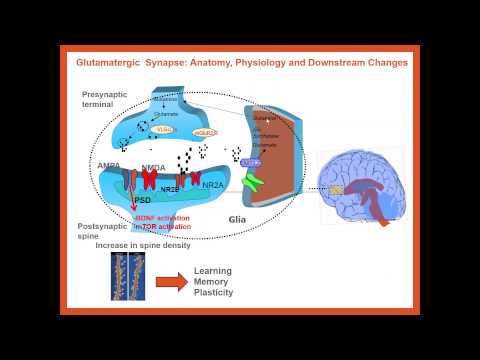
Your brain chemistry can play a huge role in how you feel. Think about it this way: if your brain doesn’t produce enough of certain chemicals—like serotonin or dopamine—it might start affecting your mood. Some people might have a family history of depression which makes them more likely to experience it themselves. Just the other day, I was chatting with someone who mentioned that their grandmother struggled with depression too, so they often wonder if it runs in the family.
2. Psychological Factors
Your thoughts and beliefs can heavily influence how you feel. If you’ve got a habit of negative thinking or low self-esteem, that’s like pouring fuel on the fire of depression. Imagine waking up each day thinking you’re not good enough—that kind of mindset can wear anyone down! A friend shared that after she went through a tough breakup, she kept replaying all these negative thoughts in her head—saying things like «I’m unlovable»—and that got her stuck in a spiral.
3. Environmental Factors
We can’t ignore our surroundings. Stressful life events—like losing a job or going through a divorce—can trigger depressive episodes too. It’s all about how you’re dealing with what life throws your way! A colleague once mentioned how moving to a new city felt incredibly lonely for him, which led him to feel pretty down for months. Isolation can be tough!
4. Social Support (or Lack Thereof)
Who you surround yourself with matters more than you know! Having a solid support system of friends and family can make all the difference when times get rough. But if you’re feeling isolated or disconnected from others? That’s when things can get tricky! I remember someone opening up about their experience after losing touch with friends during college; they didn’t realize until later how much that contributed to their feelings of sadness.
Recognizing these contributors is crucial not just for those experiencing depression but also for everyone around them. You don’t have to have all the answers; just being aware is already a big step toward understanding what’s going on beneath the surface.
So yeah, if you notice any signs of depression in yourself or someone close to you—or even if you just see something off—it’s worth paying attention! Reaching out for support or simply talking things over can be really helpful in navigating this complex emotional landscape together.
When it comes to recognizing the signs of depression, it’s kinda tricky. You might think you know what it looks like—sadness, fatigue, not wanting to get outta bed. But, honestly, it can show up in so many other ways too. It sneaks in like an unwanted guest at a party.
I remember this friend I had back in college. She was always bubbly and full of energy. But slowly, I noticed she stopped hanging out with us as much. At first, I figured she was just busy or had new hobbies. Who hasn’t gone through that phase? But then, the laughter faded, and she started missing classes. I remember one day we ran into each other on campus; her eyes looked so heavy with exhaustion—like all the joy had been drained away from her.
That’s when it hit me: depression isn’t always about crying or feeling hopeless—it can also look like withdrawal and apathy. If you catch yourself or someone you know drifting away from things that used to bring joy—like hanging out with friends or hobbies—it’s time to pay attention.
Also, changes in sleep patterns can be a biggie. You might find your buddy who used to be up all night gaming suddenly knocking out by 8 PM—or worse yet, tossing and turning all night and sleeping during the day instead. And let’s not forget about appetite changes! Some folks eat everything in sight while others just lose interest entirely.
And here’s another thing: sometimes people put on a brave face even when they’re struggling inside. You know how you ask someone how they are, and they reply with “I’m fine,” but their eyes tell a different story? Yeah… that can be a sign too.
Life gets heavy sometimes, and if you notice these signs—not just in others but in yourself—don’t shrug them off as just “a phase.” Seriously! It’s important to reach out or check-in with trusted folks around you; sometimes you don’t even realize how far along you’ve slipped until someone points it out.
In everyday life, being aware of these signs is more than just looking for sadness; it’s about noticing overall changes because mental health is tricky like that—you never really know what’s going on beneath the surface unless you’re willing to dig a little deeper. So keep your eyes open and trust your instincts; they might nudge you toward something important!