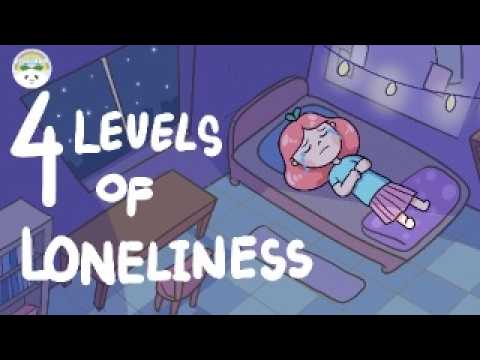
You know that feeling when you’re surrounded by people, yet you still feel kind of… alone? That’s chronic loneliness for you. It’s like this heavy weight that sits on your chest, and trust me, it can really mess with your head.
But what’s going on in our minds when we feel this way? Why does it hit some people harder than others? It’s not just about being alone; it goes deeper.
Let’s chat about the hidden layers of chronic loneliness and how it can affect everything from our mood to our health. You might find yourself relating to some of this more than you’d expect. So, grab a snack, and let’s unpack this together!
Understanding Chronic Loneliness: Psychological Insights and Its Impact on the Brain
Chronic loneliness is a big deal, seriously. It’s not just feeling a bit alone sometimes—it can sink in and hang around like an unwelcome guest. This emotional state affects not only how you feel but also how your brain works. So let’s dig into what chronic loneliness really means, why it happens, and what it does to your mind.
First off, what is chronic loneliness? Well, it’s that persistent feeling of being isolated or disconnected from others, even when you’re surrounded by people. Imagine being at a crowded party where everyone seems to be having fun, but you’re standing there feeling like a ghost. That’s chronic loneliness in action.
Now, let’s talk about why it hits some people harder than others. Sometimes it stems from life changes—maybe you moved to a new city or went through a breakup. You might feel left out when friends are busy with their lives. However, this can also be linked to deeper issues like mental health conditions or trauma. If you’ve ever felt like no one really “gets” you or if past experiences make trust hard, that might lead you down the path of loneliness.
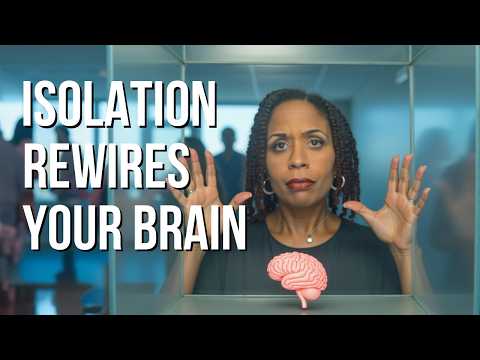
You know what’s wild? Chronic loneliness can actually change the way your brain functions. Research shows that it can affect parts of the brain responsible for processing emotions and social interactions. It’s like flipping a switch on social skills; once that switch is off, getting back in the groove becomes tough.
When you’re lonely for an extended period, it can also lead to serious health problems. We’re talking an increased risk for anxiety and depression as well as physical issues like heart disease or weakened immune response. It’s surprising how much our mental state influences our physical well-being!
Here are a few key points about its impact:
- Increased stress: Chronic loneliness triggers stress hormones like cortisol.
- Cognitive decline: Loneliness has been linked to memory issues and decreased cognitive function.
- Social anxiety: Feeling lonely might make social situations feel even more daunting.
Let’s pause for a second—think about someone who went through something similar to this feeling of isolation. Picture someone who was super social but then lost touch with friends after moving away or changing jobs. Over time, they may start avoiding gatherings because they feel out of place. The longer this goes on, the harder it gets to reach out again! Their brain gets rewired towards avoidance instead of connection.
But there is hope! Understanding chronic loneliness means we can work on ways to combat its effects too. Building connections takes time—and sometimes feels awkward—but even small steps matter! Join clubs based on hobbies or volunteer somewhere; these activities open doors to new friendships.
Your mental health matters, so remember: seeking support from friends or professionals isn’t showing weakness—it’s actually really brave! Surrounding yourself with understanding folks plays a huge role in overcoming feelings of loneliness.
So yeah, chronic loneliness isn’t just an emotional state; it’s got real consequences on your mind and body too! The more we get into this topic and talk about it openly, the better equipped we’ll be to handle those heavy feelings together.
Understanding the Impact of Loneliness on Young Adults: Psychological and Social Implications
Loneliness is a pretty big deal, especially for young adults. You might think it’s just feeling alone, but it goes deeper. It can really mess with your mental and social well-being. Let’s break this down a bit.
Psychological Effects: First off, loneliness can lead to some serious mental health issues. It’s not just about feeling sad or bored; it can spiral into anxiety, depression, and even stress-related problems. When you’re isolated, your brain starts firing off signals that something’s wrong. You might find yourself feeling hopeless or completely overwhelmed.
Take Sarah, for example. She moved to a new city for college and thought she’d make friends easily. But after weeks of being alone, she started to feel down all the time. She didn’t realize how much her loneliness was affecting her mood until she couldn’t shake that heavy fog of sadness.
- Increased Anxiety: Being lonely can make you more anxious about social situations. You start overthinking everything—like what people think of you or if you’ll fit in.
- Lower Self-esteem: If you’re constantly alone, you might start doubting your worth or question why no one wants to hang out with you.
- Cognitive Decline: Yup! Research shows that prolonged loneliness affects memory and decision-making skills. Your brain isn’t as sharp when you’re lonely.
Social Implications: Now let’s chat about how this affects your social life. When someone feels lonely, they often withdraw even more from social activities. It’s like this weird cycle; the more isolated they feel, the less likely they are to reach out to others.
- Deteriorating Relationships: Loneliness can create a rift between friends and family members because when you’re not around much, people start to forget about you—unintentionally, of course!
- Poor Communication Skills: When you’re not interacting regularly with others, those skills can suffer too! It’s hard to talk to someone when you’ve been in your own bubble for ages.
- Lack of Support Systems: In tough times, if you’re already feeling isolated, it makes it really hard to turn to someone for help or advice.
The thing is, loneliness isn’t just about being physically alone; it’s also about emotional disconnection from others. Young adults crave connection—they want buddies who get them and share their interests—but sometimes that need isn’t met.
If we look at the bigger picture: Loneliness can also impact overall health! It’s associated with higher risks for heart disease and other chronic illnesses because stress levels go up when you’re isolated.
This stuff is real—it matters! Feeling lonely? You’re not alone in that feeling! Reaching out (even if it’s scary) could be a first step toward breaking that cycle of isolation and making meaningful connections again!
You see? Loneliness impacts way more than just our social lives; it messes with our minds and health as well. That means tackling it is key—not just for ourselves but for everyone around us!
Exploring the Psychological Impact of Loneliness: Insights and Implications
Loneliness can feel like a heavy cloak that wraps around you, making everything seem duller and harder. It’s not just about being physically alone; it’s that nagging feeling that nobody truly gets what you’re going through. You know what I mean? It might seem trivial, but the psychological impact of loneliness is real and far-reaching.
Chronic loneliness isn’t just a temporary mood; it can seep into your life like a persistent shadow. When someone feels lonely for an extended period, it can trigger all sorts of emotional responses. You might find yourself feeling anxious, sad, or even angry more often than not. That constant sense of isolation can skew how you view the world and yourself.
There are a few key things to consider when we talk about the effects of chronic loneliness:
- Mental Health Decline: Studies show that loneliness is strongly linked with increased risks of anxiety disorders and depression. Think about it: when you’re feeling isolated, those negative thoughts have more room to take root.
- Cognitive Impairment: Loneliness can actually affect your brain function. Research suggests it may lead to issues with memory and problem-solving skills over time, which is kind of wild when you think about it.
- Physical Health Issues: Believe it or not, loneliness has been linked to various physical health problems like heart disease and weakened immune response. When you’re stressed out emotionally, your body feels the burn too.
- Social Withdrawal: Ironically, feeling lonely can push people further into their shells. The less you connect with others, the harder it becomes to reach out again.
So how does this play out in everyday life? Imagine someone who used to be super social but suddenly finds themselves isolated due to work changes or moving away from friends. At first, they might enjoy some alone time—catching up on shows or reading books they’ve missed out on—but as weeks turn into months without real connection, they start missing those chats over coffee or grabbing lunch with pals.
The implications here are huge! For one thing, understanding the psychological impact of loneliness can lead us to create better support systems in our communities. Think about ways we could foster connections among people—like local clubs or community events where folks could meet and chat.
Also, awareness is key! Sometimes just recognizing your feelings of loneliness opens doors for change—like reaching out to an old friend or joining a new group activity you’ve been curious about.
You see how complicated this all is? Loneliness isn’t just “feeling left out.” It’s layered and affects our minds and bodies in profound ways. By exploring these impacts together—by talking openly—we might just help lift that heavy cloak for someone else too.
So, let’s talk about chronic loneliness. You know, that feeling where you’re surrounded by people but still can’t shake off this heavy sense of isolation? It’s like sitting in a crowded café, sipping on your coffee, and feeling completely invisible. I remember my friend once shared how he went to a party full of familiar faces but just felt…empty. He smiled and chatted, but deep down he felt like no one really saw him. That’s loneliness for you—it can creep in even when you’re physically present.
Chronic loneliness isn’t just about being alone; it can totally mess with your mind and body. Studies show that it can lead to issues like anxiety and depression. Your brain starts to react differently when it feels isolated for long periods. You might notice changes in your mood or find it harder to concentrate on tasks. It’s kind of alarming when you think about it, right?
On top of that, there’s this whole cycle that happens: the more lonely you feel, the harder it becomes to connect with others. You might start avoiding social situations out of fear or shame—like if you don’t go out, then you won’t have to face that uncomfortable feeling again. But then, not going out means even more loneliness! Talk about a catch-22.
And let’s not forget the physical toll! Chronic loneliness has been linked with all sorts of health issues: high blood pressure, heart disease…you name it! It turns out our mental state is super connected to our physical well-being. Stress hormones increase when we feel lonely; they just flood our systems and create a perfect storm for health problems down the line.
So what do we do? Well, breaking out of that cycle demands some effort—like reaching out, joining groups or clubs (even if it’s daunting), and trying to reconnect with old friends or family members. It feels scary at first, but every small step counts toward lessening that heavy weight of loneliness.
The thing is—loneliness can be a tough mountain to climb. But recognizing it is the first step toward change. Even if you feel alone right now, there are people who care and want to be there for you; sometimes it just takes opening up or taking a leap into new social waters! Life’s too short to stay stuck in that isolated bubble when connection is waiting outside the door.