You know how sometimes your mind just feels all jumbled? Like a messy room where you can’t find anything? Yeah, that can be overwhelming.
Well, there’s a cool technique called imagery meditation. Picture this: you’re on a quiet beach, the sun warming your skin, waves gently lapping at your feet. Pretty nice mental escape, huh?
Imagery meditation is all about using your imagination to chill out and find some inner peace. It’s simple yet powerful!
So why not explore how it can help you clear that mental clutter and feel a bit more relaxed? Let’s jump into this together!
Exploring the Effectiveness of Imagery Meditation: Does It Really Work?
Imagery meditation has become quite popular lately, and many people are curious about whether it actually works. The essence of this practice is using your mind’s eye to create mental images that can help you relax and reflect. Now, let’s break down what it is and how effective it really is.
What Is Imagery Meditation?
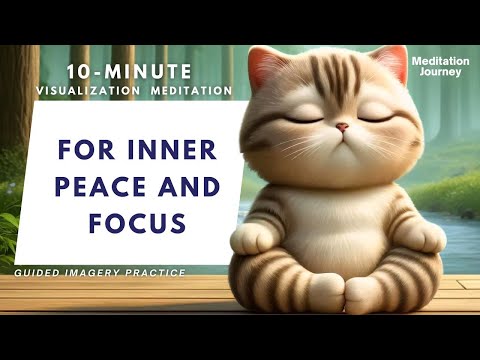
Basically, it’s about visualizing scenes, experiences, or even feelings that promote a sense of calm and tranquility. You can picture a serene beach, a peaceful forest, or even a happy memory with loved ones. It’s like daydreaming but with a purpose!
How Does It Work?
The idea is to tap into the power of your imagination. When you visualize something comforting or uplifting, your brain starts responding as if you’re actually experiencing it. This can lead to lower stress levels, improved mood, and even physical relaxation. You know how sometimes just thinking about your favorite pie can make your mouth water? Well, imagery meditation works similarly.
The Science Behind It
Research shows that imagery meditation can activate certain brain areas linked to emotion and bodily sensations. Studies have indicated decreases in anxiety and increases in overall well-being among those who practice regularly. This isn’t just fluff; scientists have documented these changes!
Benefits
So what can you expect from regular practice? Here are some key points:
- Reduced Stress: Many folks report feeling less anxious after engaging in imagery meditation.
- Enhanced Focus: Visualizing desired outcomes can help sharpen concentration.
- Better Emotional Regulation: By practicing visualization techniques, you can gain better control over your emotions during tough times.
Imagine being stuck in traffic—frustrating, right? But if you take a few moments to visualize being somewhere peaceful while breathing deeply, suddenly the world feels a little lighter.
Anecdotes from Real Life
I once spoke with a friend who started practicing imagery meditation during her stressful workdays. She mentioned picturing herself lying on a warm beach while feeling the gentle waves lapping at her feet. After doing this for just five minutes each day during lunch breaks, she noticed her work anxiety dramatically decreased! Just goes to show how powerful our minds can be when used intentionally.
A Few Considerations
While imagery meditation has its perks, it’s not a one-size-fits-all solution. Some might find it challenging to visualize clearly or might feel overwhelmed by emotions that surface during the process. If that happens, don’t sweat it! It’s okay; every mind works differently.
In summary, imagery meditation seems pretty effective for many people seeking inner peace and stress relief. By using the power of imagination combined with focused attention on calming visuals or memories, you could find yourself navigating life’s ups and downs with more ease than before! Isn’t that something worth trying?
Exploring the Impact of Meditation on Blood Pressure: Evidence and Insights
So, let’s chat about meditation and how it might just help with blood pressure. It’s a big topic, right? Well, it turns out that research has been digging into this for a while now.
First off, meditation is basically a way to calm your mind. When we talk about imagery meditation, it’s like using your imagination to picture peaceful places or scenarios. This kind of mental escape can be super relaxing! And here’s the thing: relaxation plays a key role in lowering blood pressure.
Studies show that when you meditate regularly, you might notice some pretty cool changes in your body. For example:
- Reduces stress: Stress is a huge factor in high blood pressure. When you meditate, you help your body reduce those stress hormones.
- Lowers heart rate: Meditation can slow down your heart rate which generally leads to lower blood pressure.
- Improves mood: Feeling happier and less anxious can also contribute to healthier blood pressure levels.
I remember hearing from a friend who started meditating after feeling overwhelmed at work. She said she felt lighter after each session—like all the tension just floated away. Over time, she noticed her doctor was impressed with her recent blood pressure readings!
There are some specific kinds of meditation linked to better outcomes for blood pressure too. Mindfulness meditation focuses on staying present and aware, while guided imagery leads you through calming scenes in your mind. Both have shown positive effects.
Now let’s not forget that everyone is different! What works wonders for one person might not be the magic fix for another, you know? But many people have found meditation as a helpful tool alongside other healthy habits.
What’s really fantastic is that meditating isn’t just about sitting cross-legged on a mountain top (unless that’s your jam!). You can do it anywhere—whether you’re taking five minutes at lunch or winding down before bed.
In conclusion, if you’re considering adding some form of mediation into your daily routine, it could be worth exploring. Not only could it lead to some chill vibes in your life but also possibly benefit something as important as your blood pressure. It’s kind of like giving yourself permission to take that mental vacation every day!
“Understanding Imagery Meditation: Techniques, Benefits, and Applications”
Imagery meditation is a practice that uses mental images to promote relaxation, focus, and emotional well-being. It’s really about creating vivid pictures in your mind to help guide your thoughts and feelings. You know how sometimes you can just get lost in a good book or movie? Well, imagery meditation works on a similar principle.
First off, let’s break down some techniques you might find helpful. One popular method is **guided imagery**, where you listen to someone or something guiding you through a scenario. Imagine being led through a peaceful forest or sitting by a calming beach—it’s like taking your mind on a little vacation!
Another technique is **visualization**, where you picture specific outcomes or goals. For instance, if you’re nervous about a presentation, visualize yourself speaking confidently and the audience enjoying what you’re saying. This can boost your confidence and reduce anxiety.
Then there’s **body scan** imagery, which involves mentally scanning your body for tension. You basically picture each part of your body and imagine any stress melting away like ice cream on a hot day—nice image, right?
Now let’s talk about the benefits of this whole practice. For one thing, it can really lower stress levels. When you’re focusing on positive images instead of stressful ones, your brain gets that much-needed break! Plus, it may help improve your concentration and clarity of thought. After all, when was the last time you tried to concentrate while worrying about everything under the sun?
Here are some key points related to benefits:
- Stress Reduction: Engaging in imagery meditation reduces cortisol levels—yeah, that pesky stress hormone.
- Enhanced Creativity: By allowing your mind to wander through images, you’re opening up pathways for new ideas.
- Better Emotional Regulation: Imagining positive scenarios helps manage emotions effectively.
In terms of applications, imagery meditation can be used practically everywhere! Athletes use it for performance enhancement by visualizing their success before competitions. In therapy settings, it can help clients process trauma or grief by gently guiding them through memories in a safe space.
And guess what? It’s not just for people who are into deep relaxation practices; anyone can tap into this! Whether you’re struggling with anxiety before an interview or just wanting to chill after a long day at work, imagery meditation could be your go-to tool.
Have you ever felt overwhelmed at the end of the day? Maybe you’ve thought about how nice it would feel to escape somewhere peaceful for just five minutes? That’s where these techniques shine—they give you that little mental getaway anytime you need it.
Basically, imagery meditation is like having an internal compass leading you toward calmness and clarity during chaotic times. So if you’ve never tried it before or think it’s not for you—maybe give it another shot! Just remember: it’s all about creating those beautiful images inside your head!
So, you know that feeling when your mind is just racing, like a hamster on a wheel, and you can’t seem to catch a break? Well, imagery meditation might just be the thing to help you slow down a bit. It’s this neat technique where you get to visualize peaceful scenes or experiences to calm your mind and find some inner tranquility.
Imagine lying on a warm beach, smelling the salty air, and hearing the gentle waves lap against the shore. Or maybe picture yourself walking through a serene forest with sunlight filtering through the leaves. These images can transport you away from stress and anxiety. It’s like taking a mini-vacation without ever leaving your room!
I remember once feeling completely overwhelmed with life stuff. You know, work pressures piling up and personal drama bubbling over. A friend suggested giving imagery meditation a shot. At first, I was skeptical—how could imagining things really help? But I figured I had nothing to lose. So, I plopped down in my favorite chair, closed my eyes, and tried to picture that beach scene.
It was surprisingly powerful! Each time I visualized those waves rolling in, it felt like each one washed away my worries. Just breathing deeply and focusing on those images brought my heart rate down and made everything feel more manageable.
The science behind this isn’t too complex either. When we visualize calming images, our brains can trick us into feeling relaxed—almost like we’re actually there! It engages parts of our brain associated with relaxation rather than stress.
So here’s the thing: if you find yourself caught up in daily chaos or struggling to maintain some peace of mind, giving imagery meditation a go might just be worth it! It’s not about emptying your mind entirely—it’s more about finding that space where you can create mental snapshots that soothe you. Give it a shot; who knows where your imagination might take you?