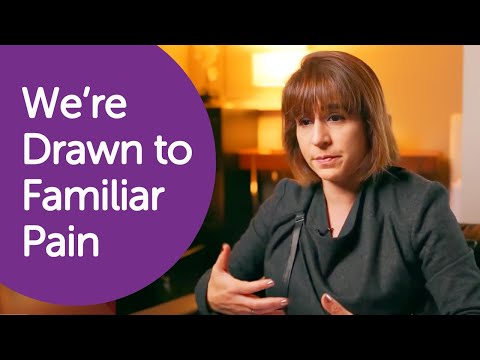
Have you ever felt stuck in a relationship loop? You know, like you’re going around in circles and not getting anywhere? It’s frustrating!
Well, that’s where Imago Therapy comes in. It’s a cool approach that helps couples break free from those patterns and actually connect. Seriously, it’s all about understanding each other better.
Imagine being able to talk openly without yelling or shutting down. Pretty sweet, huh?
In this little chat, we’re gonna explore some neat techniques from Imago Therapy. These aren’t just theories; they can really change how you relate to each other. Let’s dig into it!
Critiques and Controversies Surrounding Imago Therapy: An In-Depth Analysis
Imago Therapy is all about relationships, specifically how we connect with our partners. There’s a lot of chatter surrounding it, and not all of it is sunshine and rainbows. Let’s take a closer look at some common critiques and controversies.
Understanding Imago Therapy
First off, what even is Imago Therapy? It was developed by Harville Hendrix and Helen LaKelly Hunt in the 1980s. The goal is to help couples understand their emotional triggers and how past experiences shape their relationships. Sounds good so far, right?
The Focus on Childhood Experiences
One major critique revolves around the heavy focus on childhood experiences. Some skeptics argue that linking adult relationship issues primarily to childhood can be overly simplistic. It’s like saying every time you fight about the dishes, it’s because your parents didn’t teach you to share toys as a kid! Not everyone buys into that logic.
Lack of Empirical Evidence
Another point of contention is the lack of solid scientific backing for Imago Therapy. Critics often point out that while there’s plenty of anecdotal evidence from couples who’ve tried it, rigorous studies validating its effectiveness are less common. So basically, it’s challenging to measure success through traditional research methods.
Cultural Context
Culture plays a huge role in relationships too. Some argue that Imago Therapy doesn’t consider different cultural backgrounds enough. What works for one couple may not resonate with another from a different culture or upbringing. Imagine two people from completely distinct backgrounds trying to navigate this process; it’s not always going to fit neatly into one box!
The Role of the Therapist
Have you noticed how much emphasis is placed on the role of a therapist in Imago Therapy? It assumes that therapists can guide couples effectively through their emotional landscapes using specific techniques. But some critics suggest this puts too much pressure on therapists themselves, who may not feel adequately trained or equipped for such delicate situations.
Time Commitment
Another issue? The time commitment involved! Couples often need several sessions to see any real change, which can be daunting for busy people juggling work, kids, and life in general. You might wonder if investing all that time will actually lead anywhere good.
The Complexity of Emotions
Emotions are messy and complicated, right? Critics argue that no single therapy method can encapsulate all human feelings and interactions perfectly—each individual has unique experiences! So reducing everything down to specific patterns might overlook important nuances.
In summary, while Imago Therapy offers some valuable insights into relationship dynamics, it’s essential to approach it with a critical eye.
It’s crucial for anyone considering this approach to weigh these critiques carefully against what they hope to achieve in their relationships. After all, every couple’s journey is unique!
Exploring Techniques in Imago Relationship Therapy: Key Methods Explained
Imago Relationship Therapy is like a road map for couples to navigate the often tricky terrain of their relationships. The whole idea is based on the belief that many of our relationship issues stem from unresolved childhood experiences. You know, the stuff we carry into adulthood? Imago therapy helps us understand those patterns better, so let’s break down some key methods.
Active Listening is one of the core techniques. Basically, it’s all about being present when your partner speaks. Imagine you’re having a conversation, and instead of just thinking about what you’re gonna say next, you’re really tuning in to their words. You repeat back what you’ve heard to show understanding. It might feel a bit awkward at first—like you’re in a play—but this method encourages empathy and connection.
Another important method is called Mirroring. In this technique, one partner shares feelings or thoughts while the other listens and then reflects back what they’ve heard. It’s kind of like holding up a mirror; you capture not just the words but also the emotions behind them. For example, if your partner says they felt ignored during an event, mirroring would involve saying something like, “It sounds like you felt really alone.” This helps deepen emotional understanding.
Then there’s Validation, which is all about acknowledging each other’s feelings—even if you don’t fully agree with them. It’s telling your partner that their feelings are real and valid in their world. So if they say they’re upset because they didn’t feel supported during a tough time at work, validating would mean something like, «I can see why that’s upsetting.» It doesn’t solve the issue but builds emotional safety where both partners can express themselves freely.
Another technique that’s pretty cool is Empathy Building. This involves imagining yourself in your partner’s shoes—literally! You might want to ask questions that help evoke empathy: “How would I feel if I were experiencing this?” This practice helps bridge gaps in understanding and encourages compassion in moments of conflict.
Don’t forget Dialoguing, which is more structured than regular conversation. In dialoguing, there’s typically a set turn-taking where each person shares without interruption while the other listens attentively. It creates space for each person to express thoughts and feelings without fear of being cut off or dismissed—super important for resolving misunderstandings!
Finally, let’s talk about Role Reversal. In this exercise, couples switch places and speak as if they were each other. If you’re voicing your partner’s perspective (even just for fun), it forces you to see things from their angle—a game changer for breaking down barriers.
To wrap things up, Imago Relationship Therapy uses techniques like Active Listening, Mirroring, Validation, Empathy Building, Dialoguing, and Role Reversal to heal relationships by fostering better communication and emotional safety between partners. These methods encourage deeper connections by helping couples understand not just each other’s words but also their underlying feelings—seriously powerful stuff!
Transforming Relationships: Imago Therapy Techniques Worksheet for Healing Connections
Imago Therapy is a really interesting approach to healing relationships. It’s all about understanding how your past experiences shape your connections with others, especially in romantic relationships. The idea is that, often, we unintentionally pick partners who reflect our childhood experiences. Let’s break this down a bit.
Key Techniques of Imago Therapy
- Dialogue Process: This involves a structured conversation between partners. You take turns talking and listening without interruptions or judgments. It’s like having a safe space to reveal your true feelings.
- Mirroring: One person shares their thoughts and feelings, while the other repeats back what they’ve heard. It might feel a bit awkward at first, but it ensures that everyone feels understood.
- Validation: After mirroring, the listener acknowledges the emotions shared. You basically say something like “I can see why you feel that way.” This step helps create trust.
- Empathy: Finally, show empathy by expressing how their experience would affect you if the roles were reversed. It builds deeper emotional connections.
So let’s say you and your partner get into constant arguments about chores at home. Through Imago Therapy’s Dialogue Process, you might discover that one of you feels neglected because they grew up in a household where chores were always done without appreciation. By understanding this connection, instead of just arguing over who does what, you can work together more compassionately.
The Role of Worksheets
Worksheets in Imago Therapy can be super helpful for tracking your thoughts and feelings throughout this journey. They often guide you through different activities to help identify needs and expectations in your relationship.
- Journaling Prompts: These can ask about significant childhood memories or how those memories affect interactions today.
- Coping Strategies: Lists ways to handle conflict healthily or provide reminders for positive reinforcement during discussions.
Imagine sitting down with one of these worksheets before an important conversation with your partner. You write down what makes you feel loved versus what triggers hurt feelings. This preparation can totally change how you communicate!
Anecdote Time!
A friend once shared her experience with Imago therapy after struggling with her partner over small misunderstandings every day. They decided to give it a shot after hitting rock bottom during one long fight over laundry! Using the techniques made them reflect on their childhoods and realize how those early experiences influenced their expectations from each other.
With time and practice using these techniques—especially the Mirroring—they found themselves not just fighting less but also laughing more together! They turned chaos into connection which is pretty empowering stuff if you ask me!
In summary, Imago Therapy provides tools that allow for deeper understanding within relationships, creating space for healing and connection through simple yet effective communication techniques. Give it a try if you’re looking to transform those tricky dynamics into something more meaningful!
You know, relationships can be tricky. It’s like you’re on this never-ending rollercoaster ride with ups and downs, twists and turns. One minute, you’re over the moon, and the next, well… not so much. That’s where Imago Therapy comes in with some pretty cool techniques to help heal those relationship wounds.
Imago Therapy is all about understanding your partner on a deeper level. So here’s the thing: it encourages you to look at your past experiences—especially those from childhood—and see how they shape how you interact with your partner today. It’s like piecing together a jigsaw puzzle of your emotional life! Imagine a couple sitting across from each other, diving into their feelings while also recognizing that their differences don’t have to tear them apart.
Think about it: we often carry emotional baggage without even realizing it. You might have had a tough experience as a kid that makes you sensitive or defensive today. With Imago techniques, couples learn to communicate openly and safely about these feelings, which can really shift the dynamic of their relationship.
I remember a friend who went through this process with her boyfriend after they hit a rough patch. They were arguing constantly—over little things that spiraled into huge blowouts! They decided to give Imago Therapy a shot, and wow, what a change! They started sharing their childhood stories during sessions and realized they were reacting from old wounds rather than what was actually happening in their relationship now. It was eye-opening for them!
What’s cool is that Imago encourages active listening too. Like when one partner shares their thoughts or feelings, the other has to really listen and reflect back what they heard before jumping in with their own thoughts. It sounds simple but let me tell you—it can be so hard sometimes! Yet it creates space for empathy.
In the end, healing relationships isn’t about fixing everything overnight; it’s more like nurturing growth over time. By using tools from Imago Therapy, couples get to transform their connection into something healthier and more supportive by understanding each other better.
So if you ever find yourself stuck in patterns that aren’t serving you or your partner anymore, maybe exploring some Imago techniques could be a step forward? Just think of it as an opportunity to reconnect on those deeper levels that might have been lost along the way!