You know how sometimes life just feels heavy? Like, everything’s piling up, and you wish you could escape to another world?
Well, there’s this thing called immersion therapy. It sounds all fancy and stuff, but really, it’s about diving deep into experiences that help you heal.
Imagine stepping into a totally new reality for a bit. It could be virtual or even through intense focus on something you love. It’s like hitting the reset button on your brain!
And guess what? This isn’t just for fun. People are using it to tackle tough stuff—like anxiety or trauma. Pretty cool, right?
So let’s chat about how this can be a game changer for your mental health!
Exploring the Controversy Surrounding EMDR: Key Issues and Perspectives
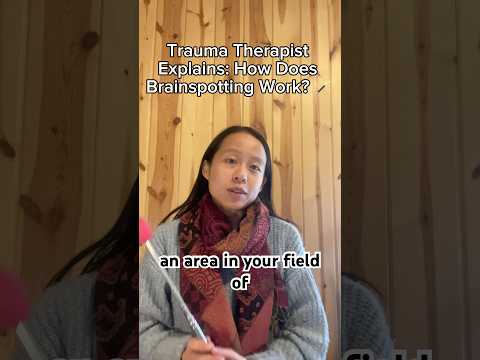
EMDR, or Eye Movement Desensitization and Reprocessing, has stirred a lot of conversation in the mental health community. This therapy is primarily used for trauma and PTSD, and it involves guiding people through recalling distressing experiences while engaging in bilateral stimulation, which often includes moving the eyes back and forth. Sounds intriguing, right? However, like any treatment, it’s not without its controversies.
One major issue with EMDR is how it’s thought to work. Traditional therapies usually explain what happens during treatment with clear scientific reasoning—like uncovering feelings or changing thought patterns. But EMDR kind of throws a curveball by mixing trauma processing with these eye movements or other forms of stimulation. Some experts argue that the eye movements could just be a distraction that allows people to talk about their trauma more freely. Can you see why some folks are skeptical?
Another point of contention is the evidence supporting EMDR’s effectiveness. While some studies show promising results—people reporting significant reductions in PTSD symptoms after just a few sessions—others suggest that maybe those results aren’t as conclusive as they seem. Critics often highlight that more rigorous research needs to happen before we can fully trust EMDR as a go-to treatment method.
Then there’s the question of who actually benefits from EMDR. What happens is not everyone responds to this form of therapy. Some individuals find traditional talk therapy more helpful and feel uncomfortable with the rapid pace of EMDR sessions, which might dive into sensitive topics quickly.
Also, what about training and certification? There are no standardized requirements for therapists practicing EMDR, which leads to varying levels of skill among practitioners. Imagine going to someone who’s had only a weekend workshop versus someone who’s deeply trained and practiced in this method—big difference! This inconsistency can make clients feel unsure about how effective their sessions will be.
Despite these concerns, many people have claimed profound healing from EMDR techniques. For instance, I once met someone who described their experience with this therapy as life-changing after struggling with flashbacks for years—a powerful testament to its impact when it works well.
Lastly, let’s touch on immersion therapy within this context. Some folks find that combining elements from different therapies can create even deeper healing experiences than sticking strictly to one method like EMDR alone. The idea here is that drawing from various practices might cater better to an individual’s unique needs rather than trying to fit everyone into one single approach.
So yeah, while EMDR has its supporters and some solid success stories out there, it’s essential to consider these key issues surrounding its use—it really helps you understand both sides of the conversation!
Understanding the Success Rate of Immersion Therapy: Key Insights and Evidence
Immersion therapy is a pretty cool technique used in psychology, mostly for treating anxiety disorders and phobias. The idea is to expose folks to the things that scare them in a controlled setting. This helps people face their fears, feel more comfortable over time, and eventually learn that they can handle the anxiety. You know how sometimes just thinking about a fear can make your heart race? Well, immersion therapy aims to change that.
How It Works
The process varies depending on what’s being treated. Let’s say you have a fear of heights (which is so common). During an immersion session, you might start off just looking at pictures of tall buildings. Then, progress to standing on a low balcony, and finally get up high in a safe environment like a rooftop or observation deck. It’s all about taking gradual steps.
The Success Rates
Research shows that immersion therapy can be really effective! A lot of studies report success rates between 70-90% for certain phobias after completing therapy. But hang on— it’s not one-size-fits-all. Some people respond better than others based on factors like personality, support systems, and the nature of their fears.
- Personalization Matters: Each person has different experiences and emotional responses, so tailoring the therapy to individual needs is key.
- Comorbid Conditions: If someone has multiple mental health issues (like anxiety plus depression), it could impact how well they do with immersion therapy.
- Adequate Support: Having friends or family involved can boost success rates significantly.
The Evidence
Many studies back this up! For instance, research published in the Journal of Anxiety Disorders found that individuals with specific phobias who underwent immersion treatment showed substantial reductions in their fear levels compared to those who didn’t. Furthermore, some forms of exposure therapy this way have been found to provide longer-lasting effects than other traditional approaches.
An Emotional Anecdote
Imagine Sarah. She couldn’t stand being near dogs ever since she was bitten as a child. After trying various methods without success, she decided to give immersion therapy a shot. At first, it was tough—just looking at dog photos made her break into sweat! But over weeks of gradual exposure—from videos to actually petting puppies—the change was remarkable. By the end of her sessions, Sarah was volunteering at an animal shelter! That transformation shows not just success but also empowerment.
So yeah, the success rate of immersion therapy seems really promising if done correctly! But remember: it’s essential for anyone considering this route to check with professionals who specialize in these techniques first—because while it works for many, it’s crucial to find what fits best for you personally!
Understanding Exposure Therapy: Techniques, Benefits, and Legal Considerations
Understanding Exposure Therapy is an essential part of treating anxiety disorders, phobias, and PTSD. So, what exactly is it? Basically, it’s a technique where you face your fears in a controlled environment. Think of it as finding the light switch in a dark room—you know there’s nothing there to hurt you, but sometimes you just have to prove it to yourself.
The main goal is to help you gradually become less sensitive to whatever triggers your anxiety. It’s like slowly dipping your toes into water instead of jumping into the deep end. The more you face what you fear, the less scary it becomes over time.
Techniques Used in Exposure Therapy can vary quite a bit:
- Graded Exposure: Here, you tackle your fears step by step. For example, if you’re scared of spiders, you might start by looking at pictures before moving on to watching videos and eventually holding a small spider.
- Imaginal Exposure: This involves visualizing the feared situation rather than facing it head-on. Picture this: if someone’s afraid of flying, they might close their eyes and imagine being on an airplane.
- Virtual Reality Exposure: Pretty cool technology allows folks to experience their fears through VR headsets without any real-world danger. Imagine walking through a simulation of crowded spaces if you’re dealing with agoraphobia.
Now let’s talk about Benefits. There are a bunch!
- Anxiety Reduction: Exposure therapy helps lower anxiety symptoms over time as you learn that facing your fears isn’t as bad as imagined.
- Coping Skills: You develop strategies for managing stress and anxiety better when you’re confronted with uncomfortable situations.
- Increased Confidence: Successfully navigating exposure tasks can boost your self-esteem and give you that “I got this!” feeling when facing challenges in life.
But wait—there’s more! You should also consider some Legal Considerations.
When engaging in exposure therapy, consent is key! You need to be fully informed about the process before diving in. That means understanding potential risks involved and what techniques will be used. Plus, it’s crucial that the therapist follows ethical guidelines around patient safety.
Informed consent isn’t just a form; it’s about making sure you’re comfortable throughout this journey. If something doesn’t feel right or pushes too much too fast, speak up!
So there you have it—exposure therapy isn’t just about discomfort; it involves growth and learning too! It may feel daunting at first—you know? But taking small steps can lead to huge changes in how you respond to fear and anxiety later on. Facing those fears really does make them lose their power over time!
So, immersion therapy. Ever heard of it? It’s one of those buzzworthy terms that pops up in conversations about mental health. At its core, it’s about putting yourself into a specific environment to confront fears or process emotions. Picture this: you’re afraid of heights, right? With immersion therapy, you’d gradually get exposed to heights in a controlled way. It’s like taking baby steps—little by little, until you can look down from the top of a mountain without feeling your stomach drop.
I remember this one time when my friend Sarah decided to tackle her fear of swimming. She’d almost drowned as a kid and had avoided water ever since. One summer, she signed up for immersion therapy at a local pool. At first, she just sat on the edge and dipped her toes in, totally freaked out. But over weeks, she went from sitting on the edge to floating around with a noodle. By the end of it, she was diving under the water! I was honestly blown away by her progress.
Now, think about how this approach connects to psychological healing. It’s not just about facing fears; it’s also about creating new narratives around our experiences. Immersion can shift our perspectives so we can look at things differently—kind of like putting on a new pair of glasses that help us see life without all that blurry negativity we sometimes carry around.
But here’s where it gets interesting: immersion therapy isn’t limited to just phobias or trauma; it can be used for all sorts of mental health struggles too! Imagine someone dealing with anxiety in social situations—they might benefit from gradual exposure to group settings or even VR experiences designed for social interaction.
Of course, tackling these issues isn’t always easy-peasy! It could get uncomfortable and messy. You know that saying “feelings are messy”? Well, they seriously are! But sometimes you gotta sit with those feelings for a bit to really work through them.
So yeah, immersion therapy is like a bridge—connecting where you are now with where you want to be emotionally and mentally. It’s not magic; it’s hard work and courage wrapped up together but worth it when you see transformations happening in yourself or others. Just remember: healing isn’t linear—it often takes twists and turns before getting somewhere meaningful!