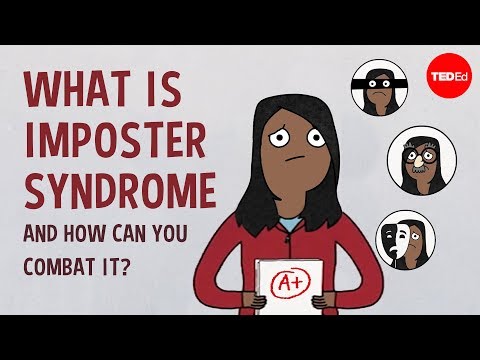
So, you know that nagging feeling? The one that whispers you’re just faking it? Yeah, that’s self-doubt creeping in.
You’re not alone, trust me. It’s called imposter syndrome, and it can sneak up on anyone. Even the most successful folks feel it sometimes.
Imagine this: You land a big promotion and instead of celebrating, you think everyone’s gonna find out you don’t really deserve it. Crazy, right? But so real!
Let’s unpack this together. We’ll dig into where it comes from and how to kick its butt! Ready to tackle that inner critic? Let’s do this!
Mastering Self-Confidence: Strategies to Conquer Self-Doubt and Imposter Syndrome
Self-confidence is one of those things that can feel like a rollercoaster ride. One minute you’re feeling great, and the next, self-doubt sneaks in like an uninvited guest at a party. A lot of us know that nagging feeling called **imposter syndrome**—you know, when you’re convinced that you don’t deserve your success or that someday people will find out you’re a fraud. Trust me, it’s more common than you might think!
So, what can you do about it? Here are some strategies to help master self-confidence and tackle self-doubt head-on.
Recognize Your Feelings
First off, simply acknowledging your feelings is a huge step. When self-doubt kicks in, take a moment and ask yourself why you’re feeling this way. Like, did you get feedback from someone that threw you off? Or maybe you’re comparing yourself to others on social media? Just noticing those triggers can be really eye-opening.
Challenge Negative Thoughts
Once you’ve got a handle on what’s causing your doubts, it’s time to challenge those pesky thoughts. Try asking yourself if they’re realistic. For instance, if you think “I’m not good enough for this job,” flip it: “What evidence do I have that proves I am good enough?” You might be surprised by the answers.
Set Realistic Goals
Setting achievable goals is key! Break down what you want to accomplish into smaller steps. This way, each tiny success builds up your confidence instead of overwhelming you with the big picture all at once. Celebrating mini-wins feels amazing! It’s like giving yourself a high-five every time.
Seek Feedback Wisely
Don’t forget about feedback! Getting input from trusted friends or colleagues can offer new perspectives and reinforce your strengths. But be careful—sometimes feedback can feel harsh and trigger doubts again. So choose who you ask wisely! Think of someone who lifts you up instead of tearing you down.
Visualize Success
Here’s where your imagination comes in handy: visualize yourself succeeding! Picture how it’ll feel when you’ve achieved what you’re aiming for. It’s not just daydreaming; this mental practice prepares your mind for real-life success and helps ease anxiety.
Embrace Mistakes
Mistakes are part of growing! Instead of seeing failure as a catastrophe, view it as an opportunity to learn something new. Everyone makes mistakes—it’s totally normal! Remember that famous story about Thomas Edison? He failed hundreds of times before inventing the lightbulb but kept going anyway!
Create an Affirmation List
Affirmations can help reshape how we see ourselves. Try making a list of positive statements about who you are and what you’ve accomplished—something like “I am capable” or “I bring value.” Read them out loud daily to reinforce those beliefs in your mind.
Connect With Others
Connecting with people who share similar experiences can also make a world of difference. Whether it’s joining support groups or simply talking with friends who understand what you’re going through; having that community helps remind us we’re not alone in this struggle!
In short, mastering self-confidence isn’t an overnight fix—it takes practice and patience! And remember: everyone has doubts sometimes; even the most confident people deal with them too. So keep pushing forward and remind yourself how far you’ve come—you’ve got this!
Understanding Imposter Syndrome: Overcoming Self-Doubt and Building Confidence
Imposter syndrome is that sneaky little feeling where you think, “I don’t belong here” or “I’m just faking it.” It’s pretty common, and let me tell you—it can really mess with your head. You might feel like you’ve fooled everyone around you into thinking you’re competent while deep down, you’re just waiting for someone to expose you as a fraud. And that feeling? Yeah, it can be exhausting.
Basically, imposter syndrome occurs when your self-doubt overshadows your achievements. You could have a mountain of qualifications or accolades, but instead of celebrating them, you focus on what could go wrong or how you don’t measure up to others. It’s like being at a party and thinking everyone is having a great time except for you because you’re hyper-aware of every little flaw.
The thing is, this often happens to high achievers. So imagine someone who’s ace at their job—getting promotions and recognition—but still feels like they’re playing dress-up in an adult’s role. I remember when my friend landed her dream job; she was ecstatic but also terrified. She kept saying she was “winging it”. Can you relate?
So, let’s break down some key aspects of this phenomenon:
- Self-Doubt: This is the heart of imposter syndrome. You question your skills and accomplishments even when there’s proof that you’re capable.
- Attribution Bias: People with imposter syndrome often chalk up their success to luck or help from others rather than acknowledging their hard work.
- Sneaky Comparison: Looking at others’ achievements can make yours feel less important. Social media definitely doesn’t help with this one!
- The Cycle of Fear: Fear of failure can lead to avoidance; this may cause missed opportunities which only fuels the cycle of self-doubt.
You know what else? Imposter syndrome doesn’t discriminate based on age or experience level—it can hit anyone! Whether you’re in school, starting your career, or well-established in your field, it’s all the same game.
If there’s some good news here, it’s that overcoming this feeling is possible. Here are a few thoughts on building confidence:
- Acknowledge Your Feelings: Accepting that these feelings exist is the first step. It doesn’t make them true; just recognize them for what they are: feelings.
- Talk About It: Open up to friends or colleagues about your doubts. Trust me—it helps! You might find they feel the same way.
- Celebrate Your Wins: Write down what you achieve—big or small—and revisit that list whenever self-doubt creeps back in.
- Practice Self-Compassion: Be kind to yourself! Treat yourself how you’d treat a friend facing similar struggles—don’t be harsh on yourself!
You see? Overcoming imposter syndrome doesn’t happen overnight; it’s more like peeling an onion—layer by layer—and sometimes you’ll find tears along the way! But once you start recognizing your worth and feeling more comfortable in your skin? Oh man, that’s freeing!
The take-home message here is: experiencing imposter syndrome doesn’t mean you’re not capable; it just means you’re human and navigating through self-doubt like so many others out there. Keep pushing through those feelings—you got this!
Effective Coping Strategies for Overcoming Imposter Syndrome
Imposter syndrome, you know, that feeling like you’re just faking it and everyone’s gonna find out? Yeah, it’s more common than you might think. Many folks experience self-doubt and struggle to accept their achievements. But fear not! There are some effective coping strategies to help you face this feeling head-on.
Acknowledge Your Feelings. Seriously, the first step is recognizing that these feelings of inadequacy are real. Instead of pushing them away, just sit with them for a bit. You might say to yourself, “Okay, I’m feeling like a fraud right now.” That awareness can be really powerful.
Talk About It. Don’t bottle it up! Share your thoughts with trusted friends or colleagues. You’d be amazed at how many people feel the same way. Just last week, my friend Jake opened up about his feelings of being an imposter in his new job. Turns out, we all felt a bit lost when we started! It helped him feel less alone.
Keep a Success Journal. Write down your accomplishments and positive feedback you receive. It can be eye-opening to see your successes laid out in front of you. Whenever those nagging doubts creep in, take a look at that journal and remind yourself that hey, you’re actually doing great!
Set Realistic Goals. Sometimes we put unrealistic expectations on ourselves which only feeds into the imposter syndrome. Break tasks into smaller steps that are achievable. Celebrate those little wins! Like when I finally tackled my never-ending “to-do” list by breaking it down into bite-sized pieces—it felt way less overwhelming.
Challenge Negative Thoughts. When self-doubt pops up, question it! Instead of accepting those thoughts as facts, ask yourself if they’re based on reality or just your imagination running wild. Remember Mrs. Thompson from high school? She thought she was terrible at math until someone pointed out how well she did on every test! That’s the kind of clarity we need sometimes.
Embrace Imperfection. Nobody’s perfect! Seriously! Everyone makes mistakes and has flaws—accepting this can really lighten the pressure you put on yourself. Think about famous people who have faced rejection or failure before finding success; their stories often have lots of bumps along the way!
Seek Professional Support. If feelings of impostorism become overwhelming or interfere with your everyday life, consider talking to a professional who gets it rather than trying to go it alone.
You know what? Taming imposter syndrome takes time and effort. Give yourself grace along the way because you’re not alone in feeling like this sometimes! With these strategies in your corner, you’ll start seeing yourself as the capable person everyone else does.
Self-doubt can be such a sneaky little gremlin, right? One minute, you’re feeling confident about that presentation or project, and the next, you’re hit with this wave of “Who am I to think I can do this?” It’s that nagging voice that questions our abilities and accomplishments. This is where imposter syndrome sneaks in.
So, let’s break it down a bit. Imposter syndrome is when you feel like a fraud despite evidence of your success. You might think everyone around you believes you’re capable, while deep down, you’re convinced any moment now, someone will figure out you don’t really belong there. Like, remember when I totally bombed that first job interview? I was super qualified on paper but felt like a pretender the whole time. That horrible feeling could’ve stopped me right there if I let it.
What’s wild is that even the most successful folks deal with this stuff! We’re talking entrepreneurs, actors—you name it. They look at their achievements and still think they just got lucky or tricked everyone into believing they’re great. This sneaky mindset doesn’t discriminate; you can find it in all sorts of people.
It tends to thrive on comparisons too. If you’ve ever scrolled through social media and thought everyone else has their life sorted out while yours feels like chaos, you’re not alone! It’s so easy to get sucked into that spiral of thinking everyone else has their act together while you’re over here feeling like an imposter.
And here’s the kicker: this doesn’t just affect how we see ourselves; it can mess with our mental health as well! Anxiety levels can shoot up as we feel pressured to prove ourselves over and over again. Not cool, right?
But what can we do about it? Acknowledging self-doubt is huge! Just saying “Okay, I’m feeling this way” already puts some distance between you and those pesky thoughts. You realize they don’t define who you are or what you’re capable of achieving.
Talking about these feelings helps too—like just sharing them with friends or colleagues who understand what you’re going through can lighten the load a bit. Running into someone who feels the same way makes all those feelings feel a little less lonely.
All in all, confronting self-doubt and unpacking imposter syndrome isn’t something we tackle overnight; it’s more like peeling layers off an onion—sometimes intense but ultimately rewarding when we realize we’ve been doing better than we give ourselves credit for! So let’s keep reminding each other: it’s okay to doubt sometimes; what matters is how we bounce back from it!