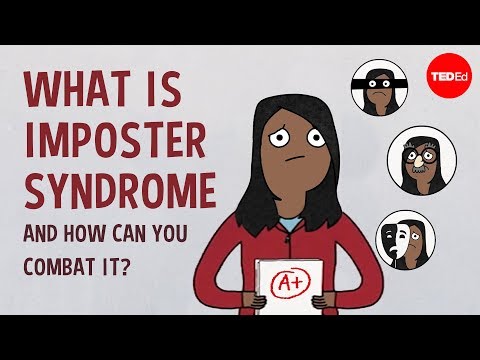
You know that feeling when you’re just waiting for someone to figure out you have no idea what you’re doing? Like, any minute now, someone’s gonna point and go, “Aha! You’re a fraud!”
Yeah, that’s the imposter syndrome creeping in. But here’s the kicker: if you’ve got ADHD, those feelings can hit harder and deeper. Seriously.
It’s like battling a ghost that whispers all those nasty doubts in your ear. And it can totally mess with how you see yourself and even how you handle everyday stuff.
So let’s chew on this combo of ADHD and imposter feelings for a bit. It’s a wild ride, but understanding it might just lighten the load!
Understanding Imposter Syndrome in Individuals with ADHD: Causes, Effects, and Strategies for Overcoming Challenges
Imposter Syndrome is a sneaky little monster that can creep into anyone’s life, but it tends to have a special place for those with ADHD. So, what exactly is it? Well, it’s more than just feeling unqualified; it’s this nagging belief that you’re a fraud, despite your achievements. For someone juggling ADHD, this feeling can hit even harder.
Causes of Imposter Syndrome in Individuals with ADHD often stem from various factors. One major culprit is the constant comparison to others. You know how when you’re in school or at work, and it seems like everyone else just gets it? That can trigger feelings of inadequacy. Also, ADHD can make things like organization or focus way tougher, leading you to believe that if you struggle with tasks others handle easily, there must be something wrong with you.
Now let’s get into the effects. Living with Imposter Syndrome while managing ADHD can be exhausting and damaging. It often leads to increased anxiety and depression. You might find yourself second-guessing every decision or feeling like success was just pure luck instead of hard work or talent. Over time, this mindset can take a toll on self-esteem and even relationships since you might isolate yourself to avoid being “found out.”
But hey! Don’t lose hope—there are strategies for addressing these challenges! Here are some helpful approaches:
- Acknowledge your feelings: Recognizing that what you’re feeling is real but not necessarily true is super important. Just admitting «I feel like a fraud» is the first step.
- Seek support: Talk about your feelings with friends or join support groups where others get it. Sharing stories really helps in realizing you are not alone.
- Reframe your thoughts: When those negative thoughts pop up, try flipping them around! Instead of thinking «I’m not good enough,» tell yourself «I might struggle sometimes, but I also bring unique strengths to the table.»
- Focus on accomplishments: Keep a success journal where you write down things you’ve achieved—big or small. This helps remind you of your capabilities when self-doubt creeps in.
- Embrace imperfection: Remember, no one is perfect! Making mistakes or having challenges doesn’t define you; it’s part of being human.
The journey may feel tough sometimes, but figuring out how to manage these feelings will lead to better mental health and more happiness overall. Just know that dealing with Imposter Syndrome while juggling ADHD doesn’t have to define who you are!
Understanding Imposter Syndrome: Unpacking the Mental Health Challenges and Implications
Imposter Syndrome is something many people deal with, even if they don’t know it by name. Ever felt like you’re just pretending to be good at what you do? Like you’re one step away from being «found out» as a fraud? Yeah, that’s pretty much the vibe of imposter syndrome. It often sneaks up on you, especially if you’re someone who’s got ADHD or other mental health challenges.
Let’s break it down a bit. When you have imposter feelings, it can really mess with your head and self-perception. You might think that your achievements are just lucky breaks or that people are overestimating your abilities. And honestly, it can feel exhausting to keep that façade up, right?
So how does this relate to ADHD? Well, individuals with ADHD often struggle with self-esteem and may face challenges in school or work that make them doubt their skills even more. Juggling distractions, impulsivity, and organization issues can compound feelings of inadequacy, making the imposter syndrome even more pronounced.
Here are a few key points to keep in mind:
Let’s say you nail a presentation at work. You might brush off compliments by thinking everyone was just being nice or didn’t really see how nervous you were inside. This diminishes your moment and can lead to withdrawal from future opportunities—like speaking up in meetings or taking on new projects.
Now imagine this: You’re sitting in class or a meeting with friends and hear someone mention their accomplishments. Instead of celebrating with them, your brain goes into overdrive focusing on how much smarter they look compared to you. “They must be doing something I’m not,” is where the spiral starts.
Another aspect worth noting is the anxiety. The constant fear of being exposed or not living up to expectations can lead to heightened stress levels. This is where coping strategies come into play. Some folks find relief through therapy or support groups where they realize they aren’t alone in feeling this way.
Also, don’t underestimate the power of open conversations! Talking about these feelings—whether it’s with friends or support networks—can lighten the load and help put things into perspective.
To wrap things up: Understanding imposter syndrome and its challenges isn’t just about knowing it exists; it’s about recognizing its impact on self-worth and mental health as well. If you’re navigating ADHD alongside these feelings, remember that there’s no shame in seeking support and finding ways to navigate this tricky landscape together!
Understanding ADHD Imposter Syndrome: Insights from Reddit Communities
So, let’s talk about ADHD and this thing called imposter syndrome. You know, that nagging feeling where you think you’re not as competent as people believe you are? Well, for folks with ADHD, this feeling can hit really hard. Reddit communities are full of stories from people sharing their experiences, and it’s eye-opening.
ADHD and Imposter Syndrome often go hand-in-hand. With ADHD, you might struggle with focus or organizing tasks, and when things don’t go smoothly, it’s easy to start doubting yourself. Seriously though, imagine putting in a ton of effort on a project only to feel like it wasn’t good enough. It’s disheartening!
People in these Reddit threads often describe a pattern—after achieving something amazing (like finishing school or landing a job), the happiness fades quickly. Instead of celebrating their wins, they think things like:
- “I just got lucky.”
- “They’ll find out I’m not that great.”
- “I’ve fooled everyone into thinking I’m smart.”
This is where the combination of ADHD and imposter syndrome creates a messy cycle. You achieve something huge but downplay it because your brain tells you it’s just luck or coincidence. It’s like running a marathon and then shrugging it off as no big deal!
A lot of these Reddit users discuss how anxiety plays a role too. The pressure to constantly perform can be overwhelming when you have ADHD symptoms already making daily life challenging. It’s like trying to juggle too many balls at once—eventually, something is gonna drop.
An example that stands out is someone mentioning their struggles during group projects at work or school. They felt they couldn’t contribute effectively because they were overwhelmed by distractions while others seemed to breeze through tasks without breaking a sweat. The fear of being “found out” becomes paralyzing.
Coping strategies shared in these communities include leaning on support systems. Friends or family who understand ADHD can help remind someone of all their accomplishments when self-doubt creeps in. Plus, talking openly about feelings helps so much! Sharing those doubts makes them feel less heavy.
A lot of people also mention the importance of personal growth mindset—accepting that it’s okay to not be perfect and learning from mistakes rather than seeing them as proof of incompetence.
Community support, especially through platforms like Reddit can provide validation that what you’re feeling isn’t unique to you alone; there are countless others sailing in the same boat! This sense of belonging can ease some anxiety around those imposter feelings.
The takeaway here is understanding that navigating ADHD while grappling with imposter syndrome is tough but not impossible! Embracing your journey means acknowledging both your struggles and your victories—and letting yourself breathe for all the effort you put in along the way! So yeah, next time you’re doubting yourself? Remember: you’re not alone.
So, let’s chat about imposter feelings, especially in the context of ADHD. You know, it’s interesting how this whole thing doesn’t always get the spotlight it deserves. Many people with ADHD deal with these nagging thoughts that they’re just pretending to be competent or successful. I mean, does that resonate with you?
Picture this: you’re at a gathering, maybe a party or even just hanging out with friends. Everyone seems to have their lives together—careers on track, friendships flourishing—and there you are, feeling like a total fraud. It’s tough because you might have accomplishments and strengths that others see clearly, while in your mind, you’ve somehow tricked everyone into thinking you’re more than you actually are.
ADHD can amplify these feelings. Your brain might be racing in a million directions at once while you’re trying to focus on what’s directly in front of you—like making conversation or finishing tasks. The constant struggle to keep up with expectations can make it feel like you don’t belong anywhere. You may find yourself thinking things like “If only they knew how disorganized I really am” or “I’m just waiting for someone to call me out.”
It reminds me of my friend Julie. She’s super smart and has this amazing job that many people would kill for. But she often feels like she’s faking it; she worries that people will see through her confidence and realize she’s just winging it most of the time. And here’s the kicker—she’s totally not alone! Many people share this experience but don’t bring it up.
Imposter feelings are tricky because they feed on self-doubt and perfectionism, which can be pretty overwhelming when combined with ADHD symptoms like forgetfulness or distractibility. When your brain already feels like it’s juggling too many balls, any hint of insecurity can send everything crashing down.
Acknowledging these feelings is a step toward managing them better—like realizing you’re not the only one dealing with them can be freeing! Many times, talking about these struggles within safe spaces helps normalize those feelings instead of letting them silently build up inside.
So if you ever feel like an imposter in your own life—especially if ADHD is part of your story—just know it’s okay to feel that way sometimes. You’re not alone in this; many others feel similarly, even if they seem put together on the outside!