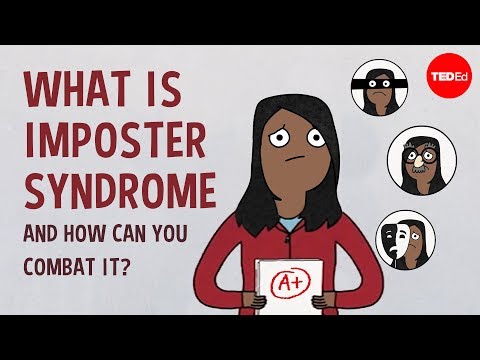
So, let’s talk about that nagging feeling you sometimes get, like you’re just pretending to know what you’re doing. Ever felt that? It’s called imposter syndrome.
You know, it’s wild. You could be totally crushing it at work or school, and yet that little voice in your head still whispers, “You don’t belong here.”
It’s not just you—lots of folks experience this! Seriously, it can hit anyone, even the ones who seem super confident.
And the crazy part? It doesn’t matter how successful you are; that feeling can still creep in. So, why does this happen? Let’s figure it out together!
Exploring Imposter Syndrome: Insights and Analysis in Psychological Contexts (PDF Guide)
Imposter Syndrome is one of those things that sounds super complex but really, it’s about feeling like a fraud. You know that feeling when you’re sitting in a meeting, and you can’t shake the thought that everyone around you is way more capable than you? Yeah, that’s it. It’s when high-achieving folks doubt their skills and fear being exposed as a “fake.”
What’s going on in your head? Well, when someone experiences Imposter Syndrome, they’re often wrestling with not only self-doubt but also pressure to succeed. So basically, if you’re nailing your job or schoolwork but still feel like it was just luck or help from others—that’s classic Imposter Syndrome.
From a psychological perspective, experts point out that this phenomenon isn’t just about individual psychology. It can also involve societal influences. For instance, we often compare ourselves to superstars on social media. The thing is, these comparisons can make it easy to feel inadequate, even though most people are just showcasing their best moments.
Let’s dig into some common traits of Imposter Syndrome:
- Believing your success comes from luck instead of ability.
- Feeling like a fraud despite evidence of your accomplishments.
- Overworking yourself to prevent others from finding out you’re «not good enough.»
Here’s an example: Imagine this friend who always teaches the latest trends at work but constantly worries they’re going to be called out for not knowing everything there is about the field. They might even think they only got the job because they were in the right place at the right time.
Now let’s talk about who tends to experience this syndrome the most. Studies show that it touches many people across various professions and backgrounds—students, professionals, creatives—you name it. However, women and minorities often report higher levels of Imposter Syndrome due to societal stereotypes and pressures.
You might be wondering if there’s any silver lining here. Well, while it’s tough emotionally, facing these feelings can lead to growth. When people confront their self-doubts head-on? They often develop resilience and become more self-aware in their journeys.
So how do we tackle this issue? Here are some strategies:
- Acknowledge your feelings without judgment.
- Share your experiences with trusted friends or mentors.
- Focus on celebrating small wins instead of only big achievements.
In essence, realizing that you’re not alone in these feelings can feel like a breath of fresh air. A lot of folks share these thoughts; it’s not confined to just one group or type of person!
At its core, Imposter Syndrome reminds us that we’re all human—flawed but capable—and it’s perfectly okay to seek support when those nagging doubts creep in. Life isn’t always about perfection; sometimes it’s about embracing our messy journeys!
Exploring the Meaning Behind ‘Imposter Syndrome’ Lyrics: A Deep Dive into Self-Doubt and Identity
Sure, let’s take a closer look at that. Imposter syndrome is such an interesting topic! It’s that nagging feeling of being a fraud or not really deserving your success. You know, like you’ve tricked everyone into thinking you’re more capable than you actually are. And this can hit anyone, regardless of how accomplished they are.
What is Imposter Syndrome?
Basically, it’s when you’re convinced that you don’t belong in your role or that you’re not as smart as people think. Even if you’ve worked hard and achieved great things, the voice in your head can still say, “You got lucky.” It’s like carrying around this invisible weight.
Now, let’s connect it to those lyrics you’re curious about. When artists write about imposter syndrome, they’re often tapping into deep feelings of self-doubt. The lyrics might echo frustrations about not living up to expectations or the fear of being exposed as a fraud. When they sing about these struggles, it resonates with a lot of people because we all have moments where we feel out of place.
Key Themes in Imposter Syndrome Lyrics:
- Doubt: This is the heart of imposter syndrome. Lyrics often express fear and uncertainty about one’s abilities.
- Identity: Many songwriters explore how their self-image clashes with their perceived flaws. They might describe feeling like an outsider among peers.
- Success and Fear: Success can be a double-edged sword. The more successful someone becomes, the heavier the fear of being “found out” can feel.
- Isolation: Feeling alone in these thoughts is common. Songs often highlight the loneliness that comes with feeling like a fake.
Take a moment to think back on times when you felt undeserving of praise or worried someone would see through your facade. Maybe you landed an awesome job and thought, “What am I even doing here?” That feeling isn’t just yours; it’s shared by so many.
Now let’s talk feelings—those lyrics can really tug at your heartstrings! Artists capture what it feels like to walk around with this hidden doubt while putting on a brave face for the world. It’s like they’re inviting listeners to share in their vulnerability.
The Emotional Rollercoaster:
The emotional journey they create through song can be cathartic. When listeners hear these lyrics, it’s not just music; it’s an affirmation that they’re not alone in their insecurity.
If you’ve ever felt this way—or if you’re grappling with self-doubt—remember it’s okay! Recognizing imposter feelings as part of being human is important. Those artists? They’re laying their souls bare so we all feel seen and understood.
In wrapping up this exploration—think about how powerful words can be in expressing complex emotions like those tied to imposter syndrome. It’s wild how sharing these experiences through music connects us all in such profound ways! This shared vulnerability doesn’t eliminate those feelings but gives them a voice and helps create community around them.
So next time you jam out to those songs about imposter syndrome, remember: those lyrics might just echo what many others have felt too!
Understanding the Causes of Imposter Syndrome: Unpacking the Psychological Factors Behind Self-Doubt
Imposter syndrome is one of those things that can really mess with your head. It’s that nagging feeling you get when you think, “I’m not really qualified for this” or “They’re going to find out I’m a fraud.” It doesn’t just show up in high-pressure jobs; it can sneak into any situation where you feel like you’re being evaluated, like school or social settings. Let’s dive into what causes this feeling, shall we?
First off, the roots of imposter syndrome often lie in how we were raised. If your parents had super high expectations or if they only praised achievements without recognizing efforts, it sets the stage for self-doubt later on. Imagine growing up always hearing “You can do better!” How could anyone feel at ease when they think they must constantly hit the mark?
Then there’s the issue of perfectionism. A lot of people who struggle with imposter syndrome set impossibly high standards for themselves. And believe it or not, perfectionists often see their success as a result of luck rather than skill. This makes them question their abilities even more. They think, “I only got this because it was an easy task,” missing out on acknowledging their hard work.
Also important is the cultural factor. Some cultures emphasize collectivism and shy away from individual achievements, which can amplify feelings of inadequacy when someone shines too bright in comparison to others. Picture a group project where everyone contributes equally; if one person gets singled out for praise, that spotlight can feel like a heavy burden.
Social media plays its own role too! With unrealistic portrayals of success online and constant comparisons to others, it’s easy to feel like everyone except you has it all figured out. Scrolling through perfectly curated lives? Yeah, that doesn’t help when you’re battling self-doubt.
Lastly, let’s not forget about triggers in your environment. Maybe you’ve landed a new job and suddenly feel overwhelmed by new responsibilities or are surrounded by colleagues who seem way more confident than you do. These experiences can make imposter feelings flare up fast.
So there you have it—impotser syndrome isn’t just one thing; it’s kind of a mix of childhood experiences, personality traits like perfectionism, cultural backgrounds, and our crazy digital world today. Just remember: you’re definitely not alone in feeling this way!
Imposter syndrome, wow, what a fascinating yet frustrating thing. It’s that nagging feeling you get when you think you’re not good enough, even when, on paper, you seem totally qualified. You know the drill—you’re sitting there at work or school, and in the back of your mind, there’s this voice telling you that any moment now, people are gonna figure out you’re just winging it.
I remember once chatting with a friend who had just landed her dream job. Instead of celebrating, she spent hours worrying that she’d mess everything up and they’d realize they made a mistake hiring her. Her accomplishments? They seemed like mere luck to her. I could see she was brilliant and deserved every bit of that success! But the doubt? It kept creeping in.
So why does this happen? Imposter syndrome often hits high achievers the hardest. It’s like we feel we need to maintain an image of perfection while battling those internal doubts. Psychologically speaking, it often roots itself in childhood experiences or societal expectations—maybe being compared to siblings growing up or facing constant pressure to excel can really set the stage for these feelings later in life.
There’s also this crazy notion that success should come easy; if it doesn’t, well then clearly something is wrong with us. That’s so unfair! Even really accomplished people can feel like frauds sometimes; it’s just part of being human.
And get this—research shows that impostor feelings don’t exactly fade away as we achieve more; instead, they can intensify as our responsibilities grow. So if you’re thinking about those big moments ahead and feeling the weight of expectations on your shoulders? You’re not alone.
The whole thing’s pretty tiring! Kind of feels like running a marathon but never reaching the finish line because self-doubt keeps dragging you back into that pit. The key takeaway here is recognizing these feelings for what they are: normal but totally unhelpful beliefs about ourselves.
Next time those voices start chattering away in your head telling you you’re not cut out for something amazing—you can remind yourself it’s all part of the game we call life. And hey? Just knowing other people feel this way too might take some pressure off your shoulders!