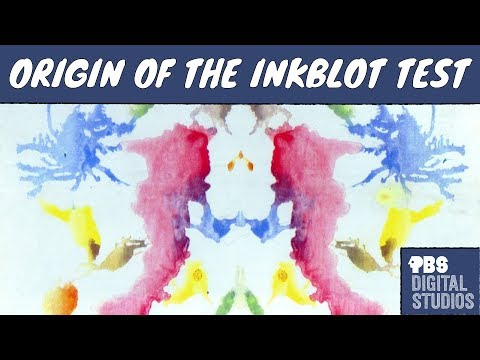
Okay, so let’s talk about ink blot tests. You know, those weird pictures that look like someone just spilled ink all over a page?
Yeah, those. But they’re not just random splatters. They actually reveal a ton about what’s going on in your mind!
Seriously! People have been using them to peek into our thoughts and feelings for ages.
It’s kind of wild when you think about it—how something so simple can open up a whole world of self-discovery.
You might even find out things you never knew about yourself. Sound interesting? Let’s dive into it!
Understanding the Ink Blot Test: Purpose and Insights into Psychological Assessment
The Ink Blot Test, or the Rorschach test, is pretty fascinating, if you think about it. It’s all about revealing hidden thoughts and feelings through your reactions to a series of inkblots. So how does this whole thing work?
Purpose of the Ink Blot Test
The main goal here is to understand your personality and emotional functioning. When you look at the inkblots and describe what you see, it’s like peeking into your mind. The idea is that people will project their inner thoughts onto these ambiguous images. So, instead of just answering standard questions, you’re expressing yourself creatively!
What the Test Looks Like
You’ve got ten cards, each with a unique inkblot design. Some look like vague shapes or animals; others are more abstract. You’ll be asked to say what each one looks like to you. Simple enough, right? But it’s not about whether you’re “right” or “wrong.” It’s about what your interpretations reveal.
How Insights Are Gained
The responses are analyzed based on multiple factors:
These aspects give psychologists clues about how you think and feel.
Anecdote Time!
Here’s a little story: A friend of mine took this test when he was going through a tough breakup. He saw a heart in one inkblot and then quickly changed it to a broken piece of glass. The psychologist noted that shift as significant—it showed his struggle with love and loss.
The Controversy
Now, the Rorschach test isn’t without its critics. Some argue it’s subjective and not scientifically rigorous enough to determine anything concrete. Others point out that anyone could just make up answers based on what’s trendy or popular in culture today. Still, many professionals find value in these insights when used alongside other assessments.
In short, while it might seem a bit quirky to stare at some blobs of ink for insights into your psyche, there’s more than meets the eye! It’s all about getting a glimpse into how your brain works behind those closed doors—where things get really interesting!
The Relevance of the Rorschach Test in Modern Psychiatry: Current Usage and Insights
The Rorschach test, you know, that classic inkblot test? It’s been around for ages, and even today, it still sparks conversations in the field of psychiatry. You might wonder why something so old-school is still floating around in modern therapy sessions. Well, let’s break it down.
First off, the Rorschach test is all about getting a peek into your inner thoughts and feelings. When you look at those inkblots, your brain tries to make sense of them in a unique way. This means that your responses can reveal a lot about how you see the world and how you perceive yourself—like a window into your mind.
But here’s the kicker: there isn’t one right answer to these inkblots! Your interpretation tells more about you than it does about the ink itself. That’s what makes this test super intriguing.
Now, even though some folks argue that it’s not very scientific, many therapists still find value in using it alongside other assessments. It provides a way to understand deeper emotional issues or personality traits that might not come out in regular conversation.
In modern psychiatry, here’s how they often use Rorschach tests:
- Personality Assessment: It’s used to gauge personality characteristics and emotional functioning. For instance, if someone sees aggressive shapes in the inkblots, it might spark a discussion about their feelings on conflict.
- Treatment Planning: The results can help therapists tailor treatment plans based on insights gained from the test.
- Research Tool: Some researchers use it to study human perception and thought processes—kind of like watching what happens inside your head when faced with ambiguous stimuli.
You know how some people have vivid imaginations? Well, their interpretations of inkblots might highlight creative thinking or an adventurous mindset. On the flip side, someone who sees mainly dark shapes might be dealing with anxiety or depression.
Still, skepticism surrounds the Rorschach test because it’s subjective—different therapists might interpret the same answers differently. That said, when used correctly with a trained professional who understands its limitations and strengths really well—it becomes an insightful tool!
So yeah! The relevance of the Rorschach test today lies in its ability to prompt conversation and self-reflection. While times change and new methods emerge—this inkblot classic isn’t going anywhere just yet!
Understanding the Ink Paper Test: Its Role and Significance in Psychological Assessment
The Ink Paper Test, often associated with the broader category of inkblot tests, like the famous Rorschach test, is a fascinating tool in the realm of psychological assessment. You know, it’s not just about what you see in those blots; it’s about uncovering some pretty deep stuff happening in your mind.
First off, let’s break down what it actually is. The Ink Paper Test consists of a series of inkblots that are designed to elicit responses from you. This isn’t just a game; each blot can reveal your perceptions, feelings, and even conflicts going on inside you. It’s like looking into a mirror reflecting your inner thoughts.
How it works—you’re shown one or more inkblots and asked to describe what you see. You might think, «Oh, that looks like a butterfly,» but really, it’s about how you interpret it and why that matters. Your responses are analyzed for patterns and themes to gain insight into your personality or emotional state.
Role in Psychological Assessment—the test plays an important role in understanding someone’s psyche. It can help psychologists gauge things like anxiety levels or interpersonal relationships. Imagine you’re feeling anxious about something but can’t put your finger on it. This test could help reveal that hidden anxiety through your interpretations.
Now let’s get into the significance. Many believe these tests tap into unconscious processes—like those things floating around in your mind that you’re not fully aware of. For example, if someone consistently sees aggressive imagery in the blots, it might indicate unresolved anger issues or conflicts they’re dealing with.
Here’s an anecdote to illustrate this: A friend of mine took an inkblot test during therapy and was shocked at how much he revealed without even realizing it! He described shapes he thought were innocent but ended up discussing feelings he had buried deep down about his childhood experiences.
So yeah, while some people scoff at the idea of interpreting art as psychological insight, there’s real science behind this approach. It’s all about understanding human behavior better—your thoughts aren’t just random; they have meaning!
In conclusion—or rather to wrap this up—the Ink Paper Test stands out as a unique lens through which psychologists analyze human emotions and behaviors. It encourages exploration beyond surface-level thinking and shines light on what’s really going on underneath all those layers we sometimes hide from ourselves.
So, ink blot tests, huh? They’re kind of like those little puzzles you doodle on when you’re bored but with a serious twist. You look at an ink blot and what do you see? A butterfly? A monster? Maybe just a smeared mess? The cool part about these tests is that they’re not really about the blots themselves; they’re about how your mind interprets them.
I remember the first time I tried one of these out. My friend had one of those Rorschach cards—just this random splash of ink that looked like it had been made by a toddler on a sugar high. I stared at it for what felt like forever, trying to make sense of it. I think I said something ridiculous like “a bat wearing a top hat.” My friend burst out laughing, but then he got all serious and started analyzing my answer.
That’s the thing! Each person sees something different based on their experiences, emotions, and even their mental state at that moment. Basically, it’s like holding up a mirror to your soul (or your subconscious, anyway). Psychologists use these tests to get hints about what’s going on inside your head. You might reveal fears or desires you didn’t even know you had.
But here’s where it gets tricky: some people totally can’t stand this kind of thing. They feel exposed or vulnerable when talking about their interpretations; who wouldn’t? It’s kinda wild how something as simple as an ink spot can make us feel so uneasy or introspective.
In a nutshell, while these tests may sound wacky or outdated to some folks today, they offer unexpected insights into our inner thoughts. They might even help in figuring out patterns in how we think or feel—a little sneak peek behind the curtain of our minds! So next time you catch yourself staring at an ink blot, remember: it could be revealing more than just randomness; it might just be showing you a glimpse of yourself.