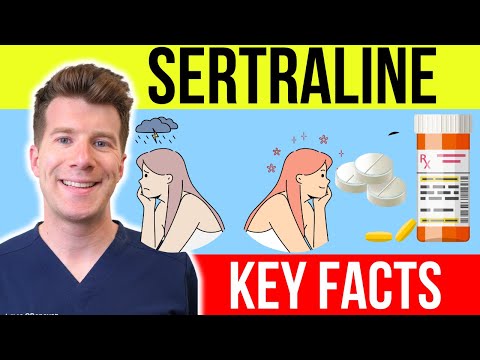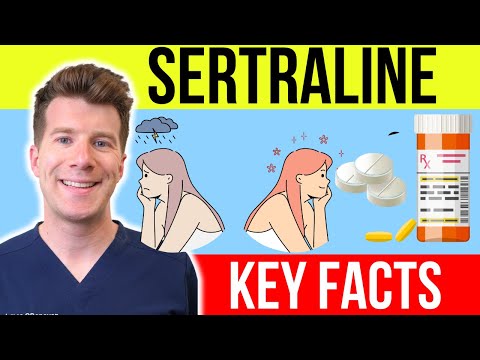
Alright, so let’s chat about sertraline for a second. You know, that little pill some folks take to help with anxiety and sleep issues?
It’s kinda wild how it can help people feel less anxious and get some decent shut-eye. Like, have you ever tossed and turned at night, just waiting for sleep to show up?
Yeah, I’ve been there too. And the thing is, when anxiety creeps in, it can be really tough to settle down. That’s where sertraline comes into play.
Now, don’t get me wrong—it’s not magic or anything. But for a lot of people, it can make a real difference in how they manage those pesky feelings of worry and sleepless nights. So let’s dig into how exactly this works!
Exploring the Efficacy of Sertraline in Treating Insomnia Symptoms
Sertraline is an antidepressant that belongs to a class of medications called SSRIs, or selective serotonin reuptake inhibitors. It’s mainly used to treat depression and anxiety disorders, but it also has some interesting effects on sleep, particularly for those struggling with insomnia.
First off, let’s talk about how sertraline works. It increases the levels of serotonin in your brain. Serotonin is a neurotransmitter that helps regulate mood, emotions, and sleep. By boosting serotonin, sertraline can help reduce anxiety and improve overall mood, which can sometimes lead to better sleep patterns.
Now, you’re probably wondering how effective it really is for treating insomnia symptoms. Well, research shows that while sertraline isn’t specifically designed as a sleep aid, many people experience improvements in their sleep when taking it. This happens because reducing anxiety can help quiet those racing thoughts at night that keep you tossing and turning.
It’s important to note that not everyone will respond the same way to sertraline. Some folks might find their insomnia improves significantly as their anxiety begins to lift while others might not notice much change at all—kind of like trying on shoes; some fit perfectly while others just don’t work.
- Ease of Anxiety: For people whose insomnia stems from anxiety, since this med reduces that anxious feeling, they may find falling asleep easier.
- Adjustment Period: Sometimes it takes a little time for sertraline to kick in—up to a few weeks—before you start feeling those positive effects.
- Side Effects: Like any medication, there are potential side effects. Some users report initial difficulty sleeping or even vivid dreams during the adjustment phase.
So what’s the deal with combining sertraline and insomnia? Interestingly enough! Some studies suggest that people taking SSRIs like sertraline often report fewer sleep disturbances over time compared to those who don’t take them—makes sense if you’re dealing with stressors during the day.
A personal story could illustrate this well: think about a friend who was stressed out about work all day long and couldn’t shut off her brain at night. After starting sertraline for her anxiety and depression, she found herself drifting off faster as her mind quieted down—a nice surprise amid all the chaos!
But you gotta keep in mind that everyone’s brain is different; what works wonders for one person might not do much for another person struggling with similar issues. This variability is super common when dealing with mental health meds.
In summary: while sertraline isn’t primarily intended for treating insomnia directly, its ability to alleviate symptoms of anxiety can lead to better sleep for many folks. If you’re considering this medication or have questions about its effects on your sleep patterns—well—talking things over with a healthcare professional makes sense so you can figure out what’s best for you!
Understanding the Duration of Insomnia Caused by Sertraline: What You Need to Know
Insomnia can be a real pain, right? You’re laying in bed, staring at the ceiling, wishing for sleep to just come and take you away. Now, if you’re taking sertraline, a common antidepressant often used for anxiety disorders, you might be wondering how it all ties together with your sleep troubles. Let’s break this down.
When you first start taking sertraline, some people notice that their sleep gets disrupted. This isn’t super uncommon because the medication can affect your brain’s chemistry as it works to lift your mood. It’s kind of like shaking things up in there. You might find it harder to fall asleep or even stay asleep at times.
Here’s the thing: the duration of insomnia caused by sertraline can vary. Some people might experience this issue for just a few days or weeks after starting the medication, while for others, it could stretch out longer. Why? Well, everyone’s body is different. Your unique chemistry plays a huge role in how quickly you adjust to new meds.
What often happens is that insomnia tends to improve as your system begins to adapt to sertraline. But if it drags on longer than expected—like weeks—it could be worth having a chat with your doctor. Sometimes they might suggest a different approach or tweak your dosage.
Here are a few key points about insomnia and sertraline:
- Initial Side Effects: Many people experience temporary insomnia when they first take sertraline.
- Adaptation Period: Your body usually takes time to adjust, which often leads to improved sleep over time.
- Consultation: If insomnia persists beyond a month or starts affecting your daily life significantly, reach out for professional advice.
Now imagine this: you start taking sertraline after dealing with anxiety for years. At first, you’re hopeful but then bam! You’re tossing and turning instead of catching those Z’s. It can feel discouraging! But remember that this initial phase doesn’t last forever—and many find relief as their bodies get used to the medication.
In summary, understanding the duration of insomnia when on sertraline is complicated. It’s not just one-size-fits-all; it takes patience and sometimes more fatiguing nights before things settle down. If you’re worried about how long you’ve been struggling with sleep since starting sertraline, talking with someone who knows what they’re doing—like your healthcare provider—can lead you in the right direction.
So hang tight! Sleep will hopefully return soon enough as your treatment progresses!
Understanding Sertraline Side Effects: A Comprehensive Guide for Patients
Sertraline, you might have heard of it. It’s a type of antidepressant known as a selective serotonin reuptake inhibitor (SSRI). A lot of people take it for conditions like anxiety disorders and insomnia. But like any medication, it comes with its fair share of side effects. So, what are some things you should know about them?
When you start taking sertraline, your body goes through a bit of an adjustment period. It can be super common to feel some weird side effects as your system gets used to the new medication.
- Nausea: This might hit you pretty hard at first. Some folks feel queasy or even lose their appetite.
- Sleep Issues: Ironically, while sertraline is used to help with insomnia, some people may find it keeps them awake at night. You could experience trouble falling asleep or staying asleep.
- Drowsiness: On the flip side, others might feel drowsy during the day. It’s all about how your body reacts.
- Dry Mouth: Some experience a parched feeling in their mouths. Drinking more water helps with that!
- Sweating: Increased sweating can happen. You might just want to carry an extra shirt if you’re prone to that.
- Anxiety and Agitation: Strange but true—sometimes when starting sertraline, folks can feel more anxious or restless before they start to feel better.
It’s worth noting that not everyone experiences these side effects. Some people find that they’re pretty mild or even non-existent! But if you’re on sertraline and feeling odd, don’t just brush it off.
Let’s say you start noticing you’re a bit more anxious or have trouble sleeping after beginning the medication—it can be helpful to check in with your doctor about adjusting the dose or possibly switching meds.
And then there’s withdrawal. If you decide to stop taking sertraline for any reason, do NOT just quit cold turkey! You could face withdrawal symptoms like mood swings, irritability, and even flu-like symptoms.
Some folks might also experience **sexual side effects** like reduced libido or difficulties reaching orgasm. This can be frustrating but talking about these issues with your healthcare provider is vital because there are solutions!
In summary, understanding sertraline’s potential side effects is key if you’re considering this medication for insomnia or anxiety disorders. The adjustment phase might be bumpy at first but staying open with your doctor throughout this process is essential for finding what works best for you.
Remember: everyone’s journey with medication differs! What works for one person might not work for another—and that’s okay!
So, let’s chat about sertraline for a minute. It’s one of those medications that people often turn to when they’re feeling overwhelmed. You know, when anxiety is knocking at the door and insomnia decides to crash the party too. That’s a tough combo, right? You want to sleep but your mind won’t shut up.
Here’s the thing: sertraline is an SSRI, which means it’s a selective serotonin reuptake inhibitor. Sounds fancy, huh? Basically, it works by increasing levels of serotonin in the brain. Serotonin’s that feel-good chemical that can help lift your mood and sort of calm down all that racing thought action happening in your head.
A friend of mine once told me about her experience with it. She was dealing with severe anxiety that made her nights feel like an Olympic sport—she would toss and turn like a fish out of water. Sleep was like this elusive dream every night. And then she started on sertraline. It didn’t work wonders overnight, but slowly she noticed things shifting a bit. Her brain felt less chaotic and bed didn’t seem so scary anymore.
Now, let’s not sugarcoat everything here. Sertraline isn’t some magical cure-all potion; it takes time to find the right dosage and figure out if it really clicks for you or not. Plus, like with anything else, there are side effects—some people might feel nauseous or tired initially.
But here’s where it gets interesting: while it helps manage anxiety symptoms for many folks, insomnia can still linger sometimes even on sertraline if stress levels are through the roof or life is throwing curveballs at you left and right. It’s definitely not a one-size-fits-all solution.
What really stands out is how managing anxiety can naturally lead to better sleep patterns too—a positive feedback loop! When you tackle those anxious thoughts head-on with something like sertraline, your nights could start becoming less about anxiously counting sheep and more about actually getting some rest.
So yeah, if you’re navigating insomnia with anxiety sitting shotgun in the car, sertraline might be worth considering for some support on that road trip to feeling better—but always remember everyone’s journey is unique!