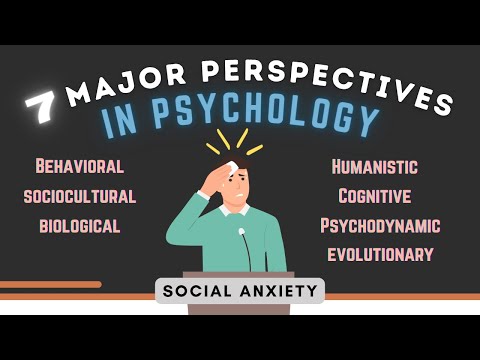
You know, psychology is one of those things that just gets you thinking. It’s all about how we tick. Why we do the stuff we do and feel how we feel.
I mean, have you ever caught yourself wondering why you reacted a certain way in a situation? Or why your friend is always anxious before big events?
There’s so much going on in our heads, right? And understanding it can seriously change the way you see yourself and those around you.
This whole journey through psychology isn’t just some dry textbook stuff. It’s alive and messy, like real life! You’ll find insights that could make you go “ah-ha!” or even nod along like “yep, I get that.”
So let’s explore this together!
Exploring the Psychological Foundations of Human Behavior: Key Insights and Implications
Alright, let’s jump into the psychological foundations of human behavior. It’s kind of a big deal to understand why we do the things we do, right? There are a bunch of theories and insights that help us figure it all out.
Biological Influences are one major piece of this puzzle. Basically, our brain structures and chemistry play a huge role in shaping how we react to stuff. For instance, the amygdala is key for processing emotions like fear and pleasure. If something triggers your amygdala, you might find yourself feeling anxious or excited without even thinking about it.
Cognitive Processes come next. This is all about how we think and interpret what’s going on around us. You know when you misinterpret someone’s tone in a text message? That’s cognitive processing at work! Our brains take in information from our environment, filter it through our past experiences, and then react based on that interpretation.
- Social Context: Humans are social creatures. The way we act is often influenced by those around us—our friends, family, culture, and society overall. For example, if you’re hanging out with friends who love hiking, you might find yourself joining them on weekend adventures even if you’re not super into it initially.
- Emotional Foundations: Emotions impact behavior quite heavily. Think about it: when you’re feeling happy or confident, you’re more likely to take risks or try new things! But when you’re down or anxious? You might pull back from social situations or avoid challenges.
- Developmental Psychology: Our experiences shape us right from childhood through old age. Think about your own childhood experiences—maybe your parents encouraged creativity or stressed the importance of academics. These lessons can follow you into adulthood and influence your decisions.
- Learning Theories: We learn by observing others too! Classic examples include Bandura’s Bobo doll experiment where kids imitated adults’ behavior towards the doll. This shows just how powerful modeling can be in shaping actions.
- Cultural Influences: Culture has a massive impact on behavior as well—what’s acceptable in one culture may be taboo in another! It shapes everything from communication styles to expressions of emotion.
A good example of all these layers intertwining is decision-making. When faced with a choice like whether to accept a job offer or not, biological instincts (like fear of change), cognitive assessments (weighing pros and cons), emotional states (excitement vs anxiety), social influences (what your friends think), and cultural values (work ethics) all come into play!
The implications here are huge! By understanding these foundations—like why we react to certain situations—we can improve everything from personal relationships to workplace dynamics. It’s like having cheat codes for life!
So there you have it! These psychological insights give us tools to navigate our world better and understand ourselves just a little bit more.
Understanding Behavior: The Role of Psychology in Insightful Analysis
Ever stop to think about why people do what they do? It’s pretty wild when you think about it. Psychology plays a massive role in helping us peel back the layers of human behavior. Understanding behavior means looking beyond just the surface—it’s like being a detective, piecing together clues to figure out what’s going on in someone’s head.
So, where does psychology fit into this? Well, psychology is the scientific study of the mind and behavior. It digs deep into various factors that influence how we act, feel, and think. This includes stuff like our upbringing, social context, and even biological makeup. All these things stir together to shape our behaviors. Let me break it down for you:
- Cognitive Processes: This is all about how we perceive information and make decisions. Ever had a moment where you just couldn’t decide what to eat? That indecision is your brain weighing choices based on previous experiences and preferences.
- Emotions: Your feelings can seriously drive your behavior. Think back to a time when you were really angry or super happy—didn’t that change what you did next? Seriously! Emotions can cloud judgment or foster creativity.
- Social Influences: People are social creatures. What others think or do can push us toward certain actions. Have you ever done something just because your friends were doing it? Yep, that’s social influence in action!
- Biological Factors: Our brains are wired a specific way that influences our reactions and habits too. For instance, if you’re tired or hungry, you’re way more likely to snap at someone than if you’ve just eaten and had enough sleep.
A quick story: my buddy Tom once told me about a time he lost his cool during a game of chess with his brother. He was so focused on winning that when he made a mistake, frustration took over, leading him to storm off instead of calmly discussing it like usual—totally not his style! That emotional reaction changed everything in that moment.
Psychoanalysis, another branch of psychology, floats around here too! It shines light on our unconscious motives—those hidden parts of our brain that influence decisions without us even realizing it. Ever felt drawn to a particular hobby or career without knowing exactly why? That could be those deeper motivations surfacing.
The best part? These insights aren’t just useful for figuring out others; they’re valuable for self-reflection too! Getting to know yourself better helps navigate life in ways that make sense for who you are.
All in all, understanding behavior through psychology isn’t just an academic exercise; it’s about grasping the whole package of being human—the quirks, the messiness, and the wonderful complexity of emotions and thoughts that drive us. So next time you wonder why someone acted a certain way—or even why you did—it might be fun to pull out those psychological lenses!
Exploring the 5 Core Foundations of Psychology: Key Concepts Explained
Psychology is basically like a big toolbox for understanding how people think, feel, and act. Although it feels like a complex web of ideas, there are some core foundations that lay the groundwork for everything else. Let’s break it down into five key concepts that give you insight into human behavior.
- Biopsychology: This is all about the brain and body. Think of it as the connection between our biological systems and our behaviors. For instance, every time you feel anxious before a presentation, your brain releases stress hormones that can make your heart race. It’s fascinating how our physical state can totally influence our emotions!
- Developmental Psychology: Here’s where we dive into how people change over their lifetimes. It looks at everything from childhood development to aging. Imagine seeing a toddler learning to walk—each little stumble is part of figuring out balance and coordination. This area can help explain why teenagers are often impulsive, driven by brain changes during adolescence.
- Cognitive Psychology: This one focuses on how we think! It examines processes like memory, decision-making, and problem-solving. Have you ever been stuck trying to remember where you left your keys? Your brain goes through all sorts of cognitive processes to retrieve that info! Basically, it’s about the mental activities behind the scenes.
- Social Psychology: This deals with how people behave in groups or interact with one another. It helps answer questions like why peer pressure works or why someone might conform to a group even if they disagree. You know those times when you do something just because everyone else is? That’s social influence in action!
- Abnormal Psychology: This field studies unusual patterns of thought or behavior—think mental disorders here. Understanding this can help in recognizing issues like anxiety or depression not as personal failures but as conditions needing support. For example, someone with social anxiety might struggle in crowds not because they want to but due to an overwhelming sense of fear.
Together, these foundations give us a well-rounded view of psychology as a field that explores human behavior from different angles—biological needs to social influences—creating a rich tapestry of insights into who we are and how we tick! So next time you’re puzzling over someone’s behavior—or even your own—you might just find clues hidden within these core foundations!
You know, when you start diving into psychology, it’s like peeling back layers of an onion. Every layer reveals something new about why we do what we do. I mean, have you ever wondered why we react the way we do to certain situations? It’s fascinating!
At its core, psychology is all about understanding human behavior. And let me tell you, we’re complex beings with a mix of thoughts, emotions, and experiences that shape our actions. Think back to a time when you felt really anxious before a big presentation or maybe super excited about a first date. Those feelings influence how you act—sometimes in ways you don’t even realize!
So there are these foundations in psychology that help us make sense of it all—like cognitive processes that explain how we think and problem-solve. Ever been stuck on a tricky puzzle? That moment when everything clicks is pure cognitive magic!
Then there’s behaviorism, which really looks at how our environment affects us. Take a moment and think about your own habits—maybe you always grab coffee every morning or check your phone when you’re bored. Those behaviors aren’t random; they’re often shaped by rewards or punishments we’ve learned along the way.
And emotions? Wow, they’re like the colorful paint on the canvas of our lives! They can motivate us to chase dreams but can also hold us back if we’re not careful. I remember this one time when my friend got super emotional after losing out on an opportunity. It took some time for her to bounce back because those feelings were pretty intense.
Also, let’s not forget social psychology, which dives deep into how our relationships with others shape who we are. Ever felt peer pressure? Or been influenced by what your friends think? It’s wild to see how much our surroundings steer our choices!
So yeah, as you explore these foundations of psychology, you’re not just learning theories; you’re uncovering insights into yourself and others. It’s like getting a backstage pass to the human experience—full of quirks and surprises! And honestly? That’s what makes it so intriguing!