So, let’s talk about Isabel Briggs Myers. You know, the woman who helped us figure out why we all act the way we do? Well, kinda!
She created this whole thing about personality types that’s super popular, like, everywhere. You take a quick test, and boom—you get a label that supposedly sums you up.
But there’s so much more to it than just letters and categories. It’s like peeling an onion; every layer gets you closer to understanding yourself and others.
Ever found yourself thinking—why on earth did they act that way? Or felt totally misunderstood? Yeah, me too! That’s where Myers really shines.
Let’s dive into how her work can help you make sense of all those quirky human behaviors we encounter daily. Sound good?
Understanding ‘Gifts Differing’ by Isabel Briggs Myers: A Comprehensive PDF Guide
Isabel Briggs Myers, along with her mother Katharine Cook Briggs, created a fascinating framework for understanding personality types. This framework is often referred to as the Myers-Briggs Type Indicator (MBTI). It’s based on the idea that people have different preferences in how they perceive the world and make decisions. You might know it from those fun quizzes you take online, but there’s a lot more depth to it.
The essence of Myers’ work is captured in her book «Gifts Differing,» where she explores how these personality differences shape our lives. One of the key ideas is that everyone has unique strengths and potential. Understanding those can help us appreciate ourselves and each other more fully.
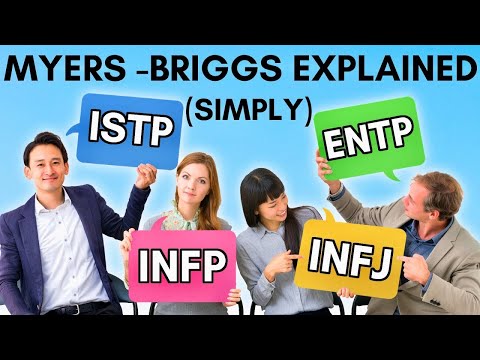
- Four Dichotomies: At the heart of this system are four pairs of opposites: Extraversion (E) vs. Introversion (I), Sensing (S) vs. Intuition (N), Thinking (T) vs. Feeling (F), and Judging (J) vs. Perceiving (P). Each person falls into one side of these pairs, leading to 16 unique personality types.
- Extraversion vs. Introversion: Extraverts enjoy being around others and feel energized by social interactions. In contrast, introverts recharge by spending time alone or with a close-knit group.
- Sensing vs. Intuition: Sensing types focus on present realities and concrete information while intuitive types look at the big picture and future possibilities.
- Thinking vs. Feeling: Thinking types prioritize logic and objectivity in decision-making; feeling types are more inclined to consider personal values and emotions.
- Judging vs. Perceiving: Judging individuals prefer structure and firm decisions, while perceiving types are more flexible, keeping their options open.
You can think of these dichotomies as lenses through which we view life experiences—like different pairs of glasses that affect what you see! For example, an INFP might approach conflict with sensitivity to feelings, while an ESTJ may tackle it straight on with practicality in mind.
The beauty of “Gifts Differing” lies in its encouragement to value diverse perspectives. Myers suggests that understanding your own type—and others’—can significantly improve communication in relationships or teamwork settings. Ever had a frustrating moment trying to explain your point during a group project? Yeah, it might just boil down to different personality preferences clashing!
This isn’t just academic mumbo jumbo; it has real-life applications too! By recognizing your tendencies, you can create strategies to leverage your strengths or address your weaknesses—like knowing when you need downtime if you’re an introvert after a long day of socializing.
The takeaway? «Gifts Differing» shows us that our differences aren’t flaws; they’re gifts! Learning about our personalities helps foster empathy toward ourselves and others. So when you read through this material or take one of those tests, remember: you’re not just ticking boxes—you’re opening doors to understanding how vibrant and varied human experience can be!
Exploring ‘Gifts Differing’: A Comprehensive Guide to Personality Types and Their Impact
Gifts Differing is a pretty cool book that dives into how different personality types shape our lives, relationships, and even our work. Authored by Isabel Briggs Myers and her mother Katharine Cook Briggs, it provides a look into the Myers-Briggs Type Indicator (MBTI). This tool categorizes people into 16 distinct personality types based on four pairs of opposing traits.
So, how does this work? Well, there are four key dimensions to consider:
- Extraversion (E) vs. Introversion (I): This dimension focuses on where you get your energy from. Extraverts thrive in social settings and love interacting with others, while introverts find recharge time in solitude or intimate gatherings.
- Sensing (S) vs. Intuition (N): Here’s where you see the difference in how people take in information. Sensors prefer concrete details and facts—they’re all about what’s real right now. Intuitives lean towards patterns, possibilities, and future-focused ideas.
- Thinking (T) vs. Feeling (F): This one reveals how you make decisions. Thinkers prioritize logic and objectivity when evaluating situations; feelers focus on emotions and the impact their decisions have on others.
- Judging (J) vs. Perceiving (P): This final dimension shows your approach to the outside world. Judgers prefer structure and planning, while perceivers like to remain open-ended and flexible.
Now imagine this: you’re in a group project at school or work. An Extravert might be rallying everyone for brainstorming sessions over coffee—really thriving off that team vibe—while an Introvert might suggest breaking off into smaller groups for a quieter discussion before rejoining to share ideas.
Understanding these personality types can really change your perspective! Maybe you’ve noticed that when you’re paired with someone who thinks differently than you do, things can get complicated—or totally awesome! If you’re a Sensing type working with an Intuitive, there might be some back-and-forth about details versus big picture ideas.
It’s not just about getting along though; it also shapes how we connect with each other emotionally or logically! For example, if you’re making plans with a friend who identifies as Feeling, they might prioritize the emotional impact of your outings over logistical details—like choosing a cozy café instead of just any coffee joint. On the flip side, someone who’s more Thinking-oriented might emphasize efficiency—picking the best location based purely on distance or cost.
When it comes to job roles or career paths? That’s where understanding these differences shines even brighter! A Judging-type person may excel as project managers because they like overseeing processes closely, while a more Perceiving-type person could thrive in creative roles where flexibility reigns supreme.
Ultimately, exploring “Gifts Differing” equips us with better communication skills too! You start seeing those differences as strengths rather than clashes. The book emphasizes that no type is better than another; we all bring something unique to the table.
Getting comfortable with personality types helps build empathy among individuals too—a crucial skill for any interpersonal interaction! Grasping that each person’s perspective is colored by their type creates room for understanding instead of frustration.
In short: “Gifts Differing” isn’t just about labeling people; it’s a roadmap for navigating relationships effectively across all areas of life! Whether at home or in your career path, recognizing different personalities lets us embrace diversity—making our connections richer and much more meaningful. So next time you’re stuck wondering why someone sees things so differently than you do? Think personality types—they might just hold the key to clarity!
Understanding the Myer Briggs Personality Test: Insights and Applications in Personal and Professional Development
The Myers-Briggs Type Indicator (MBTI) is a well-known personality test developed by Isabel Briggs Myers and her mother, Katharine Cook Briggs. They created this tool based on Carl Jung’s theories about psychological types. So, this whole thing revolves around the idea that people have different preferences in how they perceive the world and make decisions.
First off, let’s break down what the MBTI actually measures. It evaluates four core dichotomies:
- Extraversion (E) vs. Introversion (I): This is about where you draw your energy from. Extraverts tend to recharge by being around others, while introverts thrive in solitude.
- Sensing (S) vs. Intuition (N): This deals with how you take in information. Sensors focus on concrete facts and details; intuitives look at the bigger picture and patterns.
- Thinking (T) vs. Feeling (F): This reflects how you make decisions. Thinkers rely on logic and objective criteria, while feelers prioritize personal values and emotional considerations.
- Judging (J) vs. Perceiving (P): This shows how you approach structure in your life. Judgers prefer order and plans, while perceivers value flexibility and spontaneity.
Each person gets a combination of these preferences, resulting in 16 different personality types like INTJ or ESFP.
Now, why does this matter? Well, understanding your type can provide valuable insight into your behavior and choices. Imagine you’re always feeling drained after social events—this might hint at an introverted nature! It can shine a light on why some tasks energize you while others feel like a chore.
In personal development, knowing your type allows for some self-reflection. For example, if you’re a Thinker struggling with empathy in relationships, recognizing this can help you work on emotional intelligence skills. You know what I mean?
On the professional side of things, MBTI can be super useful for teams too! When everyone understands each other’s personalities, it sets the stage for better collaboration. Let’s say you’re working with someone who’s a Judger; they might be craving structure while you’re more laid back as a Perceiver—and that can cause friction if neither of you realizes it!
But here’s a little tip: don’t use MBTI as an excuse for behavior or to pigeonhole yourself into boxes! People are complex; this test merely offers one lens through which to view aspects of yourself or others.
People have found success with MBTI in various fields like coaching or counseling since it opens up conversations about individual differences and group dynamics. It helps create environments where everyone feels understood.
To sum it up: The Myers-Briggs Personality Test is an engaging way to explore personality preferences that can enhance both personal insight and professional interactions. Just remember to keep it light—it’s not about labeling people rigidly but about understanding the colorful spectrum of human behavior!
Isabel Briggs Myers was quite the character when it comes to personality types! You know, she really didn’t just stumble upon this stuff. She and her mom, Katharine Cook Briggs, were super passionate about understanding how people think and act. They pulled together ideas from Carl Jung’s theories and then created the Myers-Briggs Type Indicator (MBTI). So if you’ve ever taken one of those personality tests that say you’re an ENFP or an ISTJ, that’s all thanks to them.
It’s kind of wild when you think about it. Isabel believed that by knowing your personality type, you could better understand yourself and others. Like, if you’re an introvert, you might need more alone time to recharge after socializing. Or if you’re a feeler, making decisions might lean more toward emotions than logic. That little insight can be so eye-opening!
I remember taking the MBTI test a few years ago. I was all nervous because I had no idea what my result would be. When it came back as an INFP—some dreamy idealist type—I felt this strange mix of relief and validation. It was like someone understood that part of me that often felt out of place in a world full of “go-getters.” I mean, there’s a comfort in knowing there are others out there who might feel the same way.
But here’s where it gets tricky: while it’s super handy to have these labels and categories for ourselves and our friends, we can’t forget that people are complex! The MBTI gives us a lens to look through but not the whole picture. Sometimes we can get too caught up in these types—like saying someone can’t possibly change or grow outside their assigned category.
What Isabel did was pretty revolutionary for her time. She brought personal development into everyday conversations, helping people appreciate differences rather than seeing them as barriers. So whether you love the whole idea of personality types or find it limiting, there’s something undeniably special about how she opened doors to understanding ourselves better—and maybe even appreciating our quirks along the way!