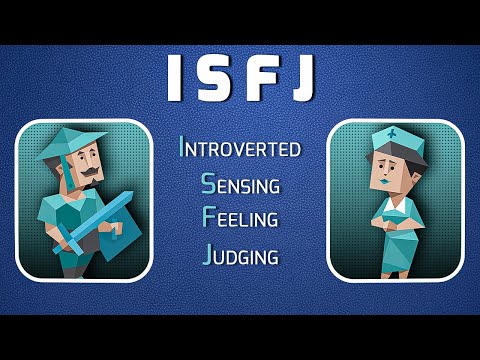
Okay, so let’s talk about ISFJs. You know, those people who seem to just get you? They’re kind of like the cozy blankets of personality types.
ISFJ stands for Introverted, Sensing, Feeling, and Judging. Sounds fancy, right? But really, they’re all about warmth and support. Always there with a listening ear or a homemade meal.
Ever had a friend who remembers your birthday without checking social media? Yeah, that’s classic ISFJ. They’re the ones making sure everyone feels included and cared for. It’s like they have a sixth sense when it comes to looking after others.
But there’s more than just being the sweethearts of the group. They have layers! Let’s peel them back and explore what makes these folks tick. Sound good?
Exploring Selena Gomez’s Personality Type: Insights and Analysis
When you think of Selena Gomez, you might picture a talented singer and actress, but have you ever considered her personality type? Well, she’s often associated with the ISFJ personality type, which stands for Introverted, Sensing, Feeling, and Judging. Let’s break that down and see what makes her tick!
The ISFJ personality is known for being caring and reliable. They’re often considered the “defenders” of people around them. They prioritize others’ needs and are led by their values. So when Selena speaks out about mental health or social issues, it’s pretty in line with this type.
- Introverted: Being introverted means she likely enjoys her quiet time. While on stage she shines brightly, off-stage she probably recharges by spending time alone or with a close circle of friends.
- Sensing: ISFJs tend to focus on the present and what’s real. Selena’s lyrics often reflect personal experiences rather than abstract concepts. You can see this in songs like «Lose You to Love Me,» where she’s really talking about real-life emotions.
- Feeling: ISFJs make decisions based on feelings rather than logic alone. This explains why Selena seems so emotionally honest in her music and public statements—she connects deeply with her audience.
- Judging: This aspect of her personality suggests she prefers structure and planning over spontaneity. Whether it’s scheduling a concert tour or organizing charitable events, Selena probably likes to have things set before diving in.
Anecdote time! Remember when she took a break from the spotlight? That was all about prioritizing mental health and taking care of herself—classic ISFJ behavior! It shows how much she values well-being not just for herself, but also as a message to her fans.
The thing is, these traits also mean that she takes criticism personally. Like many ISFJs, Selena likely feels deeply affected by negative comments or judgments from others because they resonate on an emotional level.
This blend of characteristics helps explain why Gomez has such a strong connection with her fans. She gives off this vibe of warmth and authenticity that many people are drawn to—probably because ISFJs genuinely care about others’ feelings.
At the end of the day, exploring Selena Gomez’s personality through the lens of the ISFJ type gives us some interesting insights into why she acts and reacts in certain ways. It’s like peeling back layers to understand not just the star we see but also the person behind it all!
Understanding the ISFJ Personality Type: Insights from the Big Five Model
The ISFJ personality type, known for being warm-hearted and conscientious, is one of the 16 types derived from the Myers-Briggs Type Indicator (MBTI). If you’re curious about how this personality stacks up against the Big Five model, let’s break it down together!
First off, let’s talk about the Big Five model, which consists of five broad dimensions of personality: openness, conscientiousness, extraversion, agreeableness, and neuroticism. Each of these plays a role in understanding the ISFJ.
For ISFJs:
- Conscientiousness: They score really high on this trait. ISFJs are often detail-oriented and reliable. You can count on them to follow through with commitments. For example, they might remember your birthday or help organize an event without you even asking.
- Agreeableness: Another strong trait for ISFJs! These folks are typically kind and compassionate. They prioritize harmony in their relationships and often go out of their way to make others feel comfortable. So if you have a problem or need a listening ear, they’ll likely be right there for you.
- Extraversion vs. Introversion: Being introverts, ISFJs derive energy from solitary activities or spending time with close friends rather than large groups. They might enjoy quiet nights at home over flashy parties. It’s not that they don’t like people; they just tend to prefer deeper connections over superficial interactions.
- Openness: This is where ISFJs may score lower compared to some other types. They generally prefer routine and familiarity over spontaneity and change. So if you suggest an impromptu road trip when they’re used to their Saturday routines? Well, don’t be surprised if they need some convincing!
- Neuroticism: ISFJs usually showcase moderate levels here. While they can feel anxious or stressed—especially when overwhelmed—they also have effective coping mechanisms thanks to their conscientiousness.
Now that we’ve covered the Big Five traits as related to ISFJs, let’s talk about how these traits translate into real life.
Imagine Sarah at work; she’s the one who always brings homemade cookies for everyone during break time — classic ISFJ behavior. Her coworkers rely on her because she pays attention to details and keeps everything organized.
But sometimes, Sarah struggles with change. Like when her company decided to implement a new system without much notice—it made her feel really anxious! Those high-stress moments can lead to some self-doubt for someone like her.
Despite any challenges she faces due to her personality traits, Sarah’s friends admire her loyalty and predictability; she has their backs no matter what.
In a nutshell, understanding the ISFJ personality type through the lens of the Big Five model provides valuable insights into what makes them tick! Their conscientious nature blends beautifully with agreeableness but can clash with higher demands for openness or extraversion in certain situations.
So next time you meet an ISFJ — whether it’s at work or in social settings — keep these traits in mind! You might find that this unique blend makes them really special companions who add a lot to your life!
Top Career Paths for ISFJ Personalities: Finding Your Ideal Job Match
So, you’re curious about career paths for ISFJ personalities? Nice! If you identify with the ISFJ type, you’re likely known for being caring, detail-oriented, and supportive. People like you usually thrive in environments where they can help others and create a sense of harmony.
Let’s break down some ideal job matches for ISFJs. Here are a few fields where your strengths can really shine:
- Healthcare: Many ISFJs find fulfillment in nursing or medical assistance. You get to provide emotional support while attending to patients’ needs. Think about it: the gratitude from your patients can be super rewarding!
- Education: Teaching or working as a counselor could be right up your alley. You love nurturing others and helping them grow, don’t you? Creating a positive learning environment is something ISFJs often excel at.
- Social Work: This is another area where many ISFJs feel at home. You’d be using your empathy to help individuals navigate challenges in their lives. It’s all about making a difference in people’s lives!
- Administrative Roles: If organization is your thing, consider careers in administration. You’re great at managing details and keeping things running smoothly—perfect qualities for an office setting!
- Non-Profit Organizations: Many ISFJs are drawn to mission-driven work. Being part of an organization that aligns with your values can provide a sense of purpose that’s pretty hard to beat.
You might connect with stories like that of Jenna, an ISFJ friend who became a school counselor. She spends her days helping students sort out their emotional struggles while creating a warm atmosphere in the counseling office. She finds it fulfilling when a student comes back later to share their success! That kind of impact is what being an ISFJ is all about—making meaningful connections and supporting others.
If you’re still exploring options, think about roles where collaboration is key! Team settings allow you to shine by bringing people together and ensuring smooth interactions. Remember that flexibility and adaptability are also important traits for finding the right fit.
The bottom line? Your compassionate nature makes you suited for careers centered around helping others and maintaining stability. So take some time to reflect on what excites you the most within these fields—you’ve got this!
So, let’s chat about the ISFJ personality type. You know, ISFJs are those people who seem to have a knack for making everyone feel cared for. It’s like they’ve got this invisible radar that picks up on others’ needs. I was at a friend’s birthday party the other week, and there was an ISFJ in the mix. While everyone else was busy mingling and being loud, they quietly went around making sure everyone had a drink or a snack. It was so subtle yet so heartwarming; it just shows how naturally they take on that caretaker role.
What sets ISFJs apart is their genuine warmth and loyalty. They’re often called “the defenders.” Seriously, if you have an ISFJ in your corner, you’ve got someone who’ll stick by you through thick and thin. They’re those folks who remember small details about your life—like your favorite dessert or when you have an important event coming up—and it warms your heart because it says, “Hey, I see you.”
But here’s the thing: while they go above and beyond for others, they sometimes forget to take care of themselves. It’s like they’re so focused on helping everyone else that their own needs kinda take a backseat. You know? Sometimes I wish I could just give them a little nudge and say, “Hey! Don’t forget about your own happiness too!”
ISFJs also tend to be super organized and practical. They like structure and routine because it makes them feel safe; it’s sort of their comfort zone, right? If you throw spontaneity at them out of nowhere… yeah, that might cause a bit of anxiety! Picture someone planning every detail of their weekend trip versus another person saying “Let’s just drive somewhere!” One’s gonna be chill while the other is running through a mental checklist!
And emotions? Well, although they’re deep-feeling people, they might keep some of that vulnerability tucked away. They process feelings internally rather than sharing openly all the time. This can lead to misunderstandings or even burnout if they don’t speak up about what’s weighing them down.
So yeah, navigating life as an ISFJ means balancing their caring nature with self-care and opening up when things get tough—because honestly? Their gentle hearts are like gold in this world! It reminds us all how important it is to cherish those connections while also making space for our own needs too.