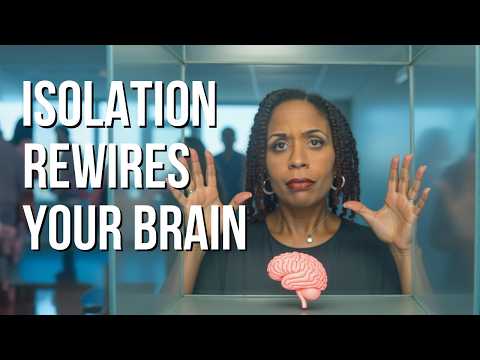
You know that feeling when you’re in a crowded room but still feel all alone? It’s kinda strange, right? Like, you’re surrounded by people, yet no one really sees you.
Isolation can hit harder than we think. Sometimes it creeps in without us even realizing it. Maybe you’re distancing yourself from friends or spending too much time binge-watching shows alone.
But what does that do to our heads? Well, the toll can be huge. Emotions get tangled and things start feeling heavy. It’s like carrying around a backpack full of rocks without even knowing why.
So let’s chat about isolation. What it feels like, why it happens, and the not-so-fun stuff it can do to our minds. Sound good?
Exploring the Effects of Social Isolation on Mental Health: Understanding the Risks and Solutions
So, let’s chat about social isolation and what it does to our brains and emotions. You know, it’s not just about feeling lonely; it can really impact our mental health in some serious ways. Like, when you’re kept away from friends or family for a long time, the effects can sneak up on you.
First off, let’s talk about the emotional side. Social isolation often leads to feelings of sadness or anxiety. It’s like being stuck in a bubble where your thoughts spiral out of control. You might find yourself overthinking situations or feeling like nobody understands you. That’s tough!
For example, imagine someone who just moved to a new city. They don’t know anyone yet and are spending their weekends alone Netflix-binging instead of going out. The initial excitement fades, but then they start feeling low because they miss human connection.
Now, physically speaking, isolation has its toll too. There’s research suggesting that lonely people sometimes experience higher stress levels which can lead to sleep problems or even heart issues. When your brain is hit with stress hormones constantly due to lack of support or connection, it messes with your health.
You may notice changes in your appetite as well—either eating too much comfort food or barely eating at all because everything feels like a chore. This rollercoaster affects not just the body but the mind too.
Let’s not forget cognitive effects! Isolation can make it harder to concentrate and remember things—like when you’re trying to watch a movie but your mind keeps wandering back to that awkward thing you said last week. Seriously annoying! The lack of social stimulation leads to cognitive decline over time if the situation doesn’t change.
It might sound discouraging, but here comes the good part—there are ways to combat this! You can take small steps toward re-establishing those connections:
- Reaching out: Just sending a text or making a call can help break through that barrier.
- Joining online groups: There are communities for nearly every interest out there!
- Getting involved locally: Volunteering is a great way to meet people while also giving back.
This personal touch can work wonders for your mental state. Even if it’s awkward at first—trust me—it gets easier with time. Plus, surrounding yourself with others often helps shift that mindset away from isolation.
The bottom line is this: social isolation isn’t just a minor inconvenience—it carries significant risks for mental health. But by recognizing these feelings and taking small steps toward connection, you can turn things around!
Understanding Isolation Psychology: Legal Implications and Insights
Isolation psychology is a pretty heavy topic, and it’s all about how being alone affects us mentally. When people think of isolation, they often picture someone being physically cut off from society. But it’s not just the lack of people around; it’s also about feeling emotionally disconnected. This can happen to anyone—sometimes you might even feel isolated in a crowded room, you know? It’s that feeling that nobody really gets you.
One of the biggest things to understand is the psychological toll that isolation can take. Studies show prolonged periods of isolation can lead to anxiety, depression, and even cognitive decline. Seriously! Your brain craves social interaction like your body craves food. It’s just part of being human. When you don’t get that connection over time, it can get really dark.
Now let’s talk about some legal implications. Isolation isn’t just a personal struggle; it can bleed into legal territory too. For example, in prisons where inmates are placed in solitary confinement, this practice raises serious human rights concerns. Long-term isolation can cause severe psychological distress, which has led many to argue that such practices are cruel and unusual punishment.
Think about mental health laws too! In many places, there are regulations concerning treatment for those with mental health issues who may isolate themselves due to their conditions. If someone poses a risk to themselves or others due to their isolated state, there might be legal actions taken to ensure their safety.
Also, let’s not forget virtual isolation! With everything going digital these days—social media and all—many have found themselves feeling more alone despite being “connected.” This creates a whole new layer of complexity when considering laws related to online harassment or bullying since these issues can exacerbate feelings of isolation in victims.
To wrap this up—the effects of isolation aren’t just individual experiences; they carry weight in our legal systems too. Recognizing the signs and implications are crucial for society as a whole because we all have a role in preventing someone from slipping through the cracks.
In short:
- Isolation affects mental health.
- Legal systems address effects.
- The digital age complicates connections.
It’s important to remember that we’re all in this together—trying our best to connect and understand one another amid life’s challenges.
Understanding the Legal Implications of Isolation: Rights, Consequences, and Case Studies
Isolation can hit hard, both mentally and legally. It’s one of those things that people often overlook until it’s too late. You got the psychological toll, right? But we also have to look at how this plays out in the law, which is pretty complex.
Understanding Rights During Isolation
When someone is isolated, whether it’s in a prison, a mental health facility, or even in situations like domestic abuse, their rights come into play. You’ve got to consider what protections are in place. For instance:
- The right to humane treatment: People in isolation should not face cruel or unusual punishment.
- The right to communicate: Individuals often have the right to contact friends and family unless there’s a legitimate reason for restriction.
- The right to legal counsel: Those isolated still have the right to speak with an attorney.
These rights can vary significantly based on where you are and what situation you’re dealing with. For example, prison isolation might differ greatly from someone being held for psychiatric reasons.
Consequences of Isolation
Now about the fallout—it can be pretty drastic! Isolated situations can lead to serious mental health issues like depression or anxiety. And from a legal standpoint? If someone suffers because of these conditions, there could be consequences for those who put them there.
- Lawsuits: Folks can take action against facilities if they believe rights were violated during isolation.
- Civil commitment reviews: In the case of mental health facilities, patients may petition courts if they feel unjustly confined.
There are real-life examples out there that illuminate these points too. Take Kalief Browder’s case—he spent three years in jail without trial, much of it in isolation. His story highlights how damaging isolation can be and led to discussions on reforming practices around confinement.
Case Studies Highlighting Legal Issues
Cases like Browder’s aren’t unique. Consider how different jurisdictions handle mental health crises differently; it creates something of a patchwork regarding rights and protections:
- The U.S.: Often criticized for how prisons use isolation as punishment.
- E.U.: Some countries have stricter guidelines on prolonged solitary confinement due to human rights concerns.
In many ways, understanding these legal implications boils down to knowing your rights while recognizing that not all systems protect those rights effectively.
So when we talk about the silent struggle of isolation—yeah—it’s personal and it’s psychological but don’t forget the legal side too. It’s critical for people facing such situations to understand their rights, know what consequences exist for abusing those rights, and look at cases that stand as teaching moments on this very important issue.
You know, isolation can feel like this heavy blanket just weighing you down. Like, you’re sitting in a room full of people, but somehow you still feel completely alone. I mean, we’ve all had those moments, right? Maybe it’s during a party where everyone seems to be having fun except you. Or maybe it’s just that feeling when you realize that no one really knows what’s going on inside your head.
I remember a time when I was in college. I had friends around me, but I often felt totally disconnected from them. It was as if I was the only one facing these swirling thoughts and anxieties that wouldn’t leave me alone. Sometimes I’d sit with my friends and smile along, but inside? Total chaos! That disconnect can be really hard to shake off.
The thing is, isolation isn’t just about being physically alone. It can also happen when you’re surrounded by people yet still feel like no one gets you. We all have our own ways of coping or hiding those feelings—scrolling through social media or binge-watching shows might seem fun at first but they can leave you even emptier afterward. The more we try to escape from our feelings, the deeper we sink into this well of solitude.
And let’s be real; the psychological toll is significant. You might start feeling anxious or even depressed over time because human beings are social creatures by nature—we thrive on connection! When we isolate ourselves too much, it can distort our view of reality and make us think we’re not worthy of love and companionship.
But here’s the kicker: talking about it helps! Sharing your feelings with someone trustworthy can lighten that emotional load a bit—even if it’s just venting about your day or expressing how lonely you feel sometimes. Connecting opens doors to understanding and healing.
So yeah, let’s not underestimate the power of reaching out—because while isolation feels heavy like an anchor pulling you down, connection can be that lifebuoy pulling you back up to shore! It’s okay to struggle; it’s part of being human. Just remember there are folks out there who get it and want to help lift that weight off your shoulders—even if it’s just for a moment.