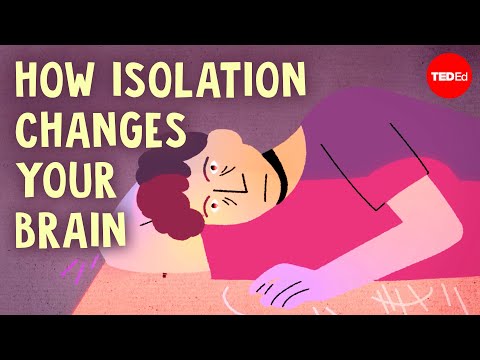
You know that feeling when you’re in a crowded room but still feel alone? Yeah, isolation and loneliness can really mess with your head.
Honestly, it’s wild how much those emotions can weigh you down. They sneak up on you and turn everything gray.
I mean, come on, we all crave connection. When it’s absent, it’s like walking around with a cloud over your head.
Let’s chat about how those feelings hit us hard—mentally and emotionally. You might be surprised at what they can do!
Exploring the Negative Effects of Social Isolation: Legal Implications and Consequences
Social isolation can hit you hard. Like, really hard. It’s not just about feeling lonely; it’s about what that loneliness does to your mind and body. There’s a lot to unpack, so let’s break it down.
First off, when you’re cut off from others, it messes with your mental health. You might think you can handle being alone for a bit, but prolonged isolation can lead to serious problems like depression and anxiety. And it’s not just about feeling sad or anxious; these emotions can spiral out of control.
Physical health issues are also a real concern. Studies show that isolated individuals tend to have higher risks of heart disease, obesity, and even early death. When you’re lonely, your body doesn’t function as well as it should. Stress hormones go up, which leads to inflammation—basically a recipe for disaster.
Now let’s touch on the legal implications of social isolation. It may seem unrelated at first glance, but hear me out. Isolation can affect people’s ability to interact with the legal system effectively. For instance, someone who feels isolated might not seek help during legal issues or disputes because they feel they have no support network. This could lead to unfair outcomes in court or during mediation since social connections often help get the right information across.
In some cases, people who are socially isolated may face neglect or abuse, especially among vulnerable populations like the elderly or those with disabilities. If there is no one around to notice changes in behavior or signs of trouble, victims might suffer longer than necessary.
Here are some key points:
- Mental Health Struggles: Anxiety and depression are common outcomes.
- Physical Risks: Heart disease and other illnesses increase with prolonged loneliness.
- Legal Navigation: Isolated individuals may struggle with legal systems.
- Vulnerability: Neglect or mistreatment often goes unnoticed.
So yeah, this all connects back to how we treat each other as a society. The more we understand the effects of social isolation—both psychologically and legally—the better equipped we’ll be to tackle these issues together.
It’s worth mentioning that even small interactions matter! Just saying hi to a neighbor or chatting with someone on the bus could make all the difference in breaking that cycle of isolation. Community is essential—not just for emotional support but also for keeping us engaged in life and its challenges.
To wrap things up: social isolation isn’t just an emotional issue; it has tangible effects on physical health and legal outcomes too! Recognizing these connections can help us take steps towards improving our environments and our mental wellness collectively.
Exploring the Impact of Social Isolation on Mental Health: A Comprehensive PDF Guide
Sure! Let’s break down the impact of social isolation on mental health. You know, it’s one of those topics that really hits home for a lot of people.
First off, **social isolation** isn’t just about being alone; it’s more about feeling disconnected from others. Think about **that moment when you’re in a crowded room but still feel totally alone**. It can be pretty heavy. And honestly, the **psychological toll** can be significant.
When you spend too much time isolated, your mind tends to wander into darker territories. You might find yourself thinking negative thoughts—like you’re not good enough or that nobody cares, right? It’s like a vicious cycle: isolation leads to negative thinking, which makes you want to isolate even more.
Here are some key effects of social isolation on mental health:
- Increased Anxiety: Spending too much time alone can boost feelings of anxiety. You worry about everything—will you ever see your friends again? Are they mad at you? It can feel overwhelming.
- Depression: The longer you’re isolated, the lower your mood can get. It’s like being in a fog that just won’t lift.
- Cognitive Decline: Believe it or not, a lack of social interaction can affect how well your brain works! People who are socially isolated may find it harder to concentrate or remember things.
- Low Self-Esteem: When you’re cut off from others, it’s easy to start doubting yourself and feeling worthless.
Let me share an example: I once knew someone who got laid off and spent months working from home without seeing anyone besides coworkers on video calls. At first, he thought he loved the solitude—no commuting and all that noise—but soon enough, he started feeling really down. He didn’t even realize how lonely he was until he found himself missing even small chit-chat with the barista at his local coffee shop.
So what happens when these feelings pile up? Sometimes people start to avoid social situations entirely because they’re afraid or anxious about how others might perceive them. This creates an unfortunate loop where isolation increases feelings of loneliness and worthlessness.
And here’s another thing: some folks might not even notice that they’re isolating themselves until it’s already done some damage. It’s kind of sneaky! They miss out on those little connections—like grabbing lunch with friends or just chatting with neighbors—which really do wonders for keeping spirits up.
Now let’s talk coping strategies because finding ways to break this cycle is crucial! Keeping in touch with someone—even through texts or calls—can really help you reconnect with the world around you; it’s like throwing small pebbles into murky water and watching them clear it up a bit.
Also, engaging in hobbies or interests online can offer some connection without needing to leave home! Whether it’s joining online meet-ups for gamers or book clubs—it feels good when you share something you love with others.
In summary, while social isolation can deeply impact mental health by increasing anxiety and depression levels among other issues, there are ways to cope and reconnect with others—even when life feels pretty tough. Just remember: taking small steps towards interaction can lead back into brighter days ahead!
Exploring the Impact of Social Isolation on Mental Health: Insights and Implications
Social isolation can hit hard, you know? It’s not just about being physically alone; it can really mess with your head. Imagine a time when you felt left out or cut off from others. It’s a tough spot to be in, and the effects can linger long after the isolation ends.
Loneliness is often the first thing that comes to mind in this context. You might think, «Is loneliness really that big of a deal?» Well, it totally is. Studies show that feeling lonely can lead to anxiety and depression. Your mind starts playing tricks on you, making you feel even more isolated! It’s like a vicious cycle where feeling lonely pushes you further into isolation.
Then there’s the physical aspect. Believe it or not, isolation isn’t just a mental game; it affects your body too. When you’re isolated, stress hormones like cortisol can spike up. This might sound familiar: increased heart rate, trouble sleeping, and even weight gain are all linked to long-term stress from feeling alone.
Mental health issues are another consequence of social isolation. The lack of regular interaction means fewer opportunities for support systems. It’s easy for thoughts to spiral when there’s no one around to talk things out with or share experiences—like those times when you were down and just needed a friend to listen.
A cool study noted that older adults who experienced severe loneliness had higher rates of cognitive decline compared to those who stayed socially engaged. This isn’t just about feelings; it’s about keeping that brain sharp! Isolation can cloud your thinking and make problem-solving tougher.
You might wonder what we can do about this situation—we’re social creatures by nature! Connecting with people has immense power over our wellbeing. Even small interactions like exchanging smiles with strangers or having brief chats with neighbors can help foster connections.
- Engagement in community activities: Getting involved in local clubs or volunteering can really broaden your social circle.
- Online connections: Social media isn’t everyone’s cup of tea, but finding communities online can help bridge some gaps when physical connections feel tough.
- Cognitive behavioral techniques: Learning how to challenge negative thoughts about yourself or others may improve your outlook—it’s all connected!
The implications of all this? Recognizing the toll of isolation is crucial for individuals and communities alike. We need to develop environments where people feel connected and valued because everyone deserves feelings of belonging.
Ultimately, dealing with social isolation means facing those emotional hurdles head-on while finding ways to reconnect with others. It’s important work but totally worth it for mental wellness!
You know, isolation and loneliness can really mess with your head. It’s like being in a room that feels small and closed off, even when the door is wide open. I remember a time when a friend of mine moved to a new city for work. She thought it would be exciting, but after weeks passed, she found herself feeling more alone than ever. No friends to hang out with, and she was stuck in her apartment most nights. At first, it seemed fine—catching up on shows and binge-eating snacks felt like a treat. But soon enough, that cozy blanket of solitude turned into a suffocating weight.
So here’s the thing: isolation isn’t just about being physically separated from others; it seeps into your mind too. Studies show that prolonged loneliness can lead to anxiety and depression—it’s like planting seeds of self-doubt that just grow wild without any care. The quiet moments turn into endless thoughts spiraling around in your brain, making you feel disconnected even from yourself.
When you think about it, humans are social creatures by nature. We thrive on connection—whether it’s shared laughter or just venting about our day over coffee. Being isolated can warp our sense of reality; you start assuming everyone else is busy living their best lives while you’re stuck feeling… well, invisible.
And let me tell you something: even if you’re surrounded by people but still feel lonely? That deep sense of disconnect can be even tougher to deal with than physical isolation. It’s like sitting at a crowded party but feeling more alone than ever.
Sometimes during those low moments, reaching out feels harder than climbing Everest! You might convince yourself no one wants to hear from you or worry that they’ll judge how you’re feeling. But honestly? Most people are in the same boat! Just thinking about how we all crave connection—even if we don’t always admit it—makes this whole experience less isolating.
It’s so important to recognize these feelings and talk about them instead of letting them fester inside us like bad leftovers in the fridge! If you find yourself drifting down that lonely path, maybe consider reaching out or finding ways to connect online or at least try something new that puts you around others—even if it’s just going for a walk in a busy park.
At the end of the day, we’re all just trying to find our crew and feel seen amidst this chaotic world. Remembering that may help lighten the load of isolation just a little bit more each day.