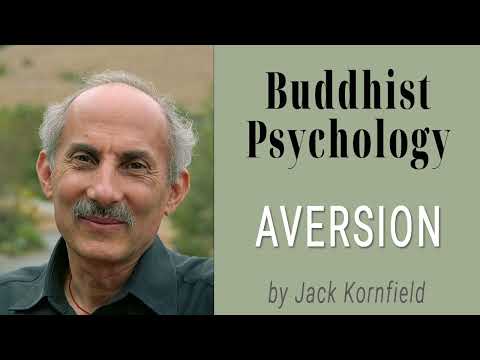
You know, sometimes life throws us a curveball. We’re just trying to figure things out, and it can be a little overwhelming. That’s where folks like Jack Kornfield come in. His teachings are like a breath of fresh air.
He talks about mindfulness and how to find peace in the chaos. Seriously, it’s like he gets it—you know? Life’s not always easy, but there’s wisdom in the struggle.
I remember this one time when I was feeling super stressed. I stumbled upon one of his talks, and man, it completely changed my perspective. It was all about being present, embracing our feelings without judgment. And let me tell you, it hit home.
So if you’re curious about what makes his insights special, we’ll explore that together! Buckle up; it’s gonna be an interesting ride through the psychology of being human with all its messiness and beauty!
Exploring Jack Kornfield’s Core Teachings: Insights into Mindfulness and Compassion
Jack Kornfield is a name that often pops up when people talk about mindfulness and compassion. He’s a bit of a rock star in the world of psychology, meditation, and spiritual practice. So, let’s break down some of his core teachings and see how they connect with the everyday stuff we face in life.
Mindfulness is probably one of the biggest themes Kornfield focuses on. It’s all about being present, you know? Like when you’re having a cup of coffee and instead of scrolling through your phone, you just enjoy that moment. Kornfield teaches us to really notice our thoughts and feelings without judgment. It’s not about getting rid of negative feelings; it’s more like acknowledging them and letting them be there. Kind of like that friend who shows up uninvited but you decide to be nice to them anyway.
Another important piece he talks about is compassion. This isn’t just about feeling sorry for someone else; it’s deeper than that. Kornfield wants us to cultivate an understanding and kindness toward ourselves first. Imagine messing up at work—like forgetting an important meeting—and instead of beating yourself up over it, you just think, “Hey, everyone makes mistakes.” That shift can change how we interact with others too! When we’re kinder to ourselves, it becomes easier to extend that grace to others.
Kornfield also emphasizes the concept of interconnectedness. We’re all part of this big web called humanity. This idea reminds us that your struggles are often mirrored by someone else out there. When you recognize this connection, it can soften those edges around resentment or anger towards others. So, if someone cuts you off in traffic, instead of letting rage take over, maybe try thinking about what might be going on in their life.
Let’s not forget the importance of patience. Kornfield teaches that change takes time—like learning a new skill or even healing from past traumas. Think about planting a seed: You can’t rush it into growing overnight! You’ve got to water it (which could mean giving yourself grace) and wait for those results.
Last but not least is the idea of joy. Yeah, joy! Kornfield reminds us to find moments of happiness every day—little bursts that remind us life isn’t all heavy stuff. Maybe it’s enjoying a sunset or laughing with friends after a long week at work. Those joyful moments help balance out the hardship life throws at us.
So basically, Jack Kornfield’s teachings encourage us to live mindfully while cultivating compassion for ourselves and others. By recognizing our connectedness, practicing patience during tough times, and seeking joy amidst challenges, we can create more meaningful lives not only for ourselves but also for those around us. Seriously powerful stuff when you think about it!
Exploring Jack Kornfield’s Journey: Is He a Buddhist Monk?
Jack Kornfield is a pretty interesting guy in the realm of psychology and spirituality. You might have heard his name pop up often if you’re into mindfulness or Buddhist teachings. So, let’s break down who he is and if the label «Buddhist monk» really fits him.
First off, yes, Jack Kornfield has a background as a Buddhist monk. He spent several years in Asia, specifically in Thailand and India, studying under some well-known spiritual teachers. During this time, he dived deep into meditation practices and the core principles of Buddhism. But here’s where it gets a bit nuanced: while he was a monk for a significant period, he isn’t currently living as one.
Now, what makes his journey unique is how he blends Eastern philosophy with Western psychology. When Kornfield returned to the U.S., he didn’t just come back with robes and rituals; he brought this profound understanding of human nature. He’s known for making complex spiritual concepts accessible to folks who might not have any background in Buddhism.
And let’s chat about some key points in his teachings:
- Mindfulness: One of his major contributions is promoting mindfulness—a practice rooted in Buddhist meditation but super relevant to modern mental health.
- Healing: Kornfield emphasizes healing emotional wounds through awareness and compassion. He coined phrases like “the heart of compassion,” which resonate deeply with people facing psychological struggles.
- Cultivating wisdom: He teaches that wisdom isn’t just academic; it’s understanding our own experiences and learning from them.
Think about it: when you’re stressed or anxious, practicing mindfulness can really shift your perspective. Kornfield’s approach makes you pause and notice what’s happening internally without judgment.
In summary, Jack Kornfield’s journey as a former Buddhist monk shapes his teachings significantly but doesn’t confine him to that role alone. His background informs his insights into psychology but also opens doors to broader audiences who seek peace and understanding in today’s chaotic world.
So there you have it! A glimpse into Jack Kornfield’s life and work—he’s much more than just a title; he’s like a bridge connecting ancient wisdom with contemporary life challenges we all face today.
Insights on Awareness from Jack Kornfield: Understanding Mindfulness and Presence
Jack Kornfield is like a beacon for those looking to unpack the complexities of mindfulness and presence. His teachings dive deep into how awareness affects our daily lives. So, let’s break this down a bit.
Mindfulness is basically about being here and now. It’s not just zoning out or vegging in front of the TV. When you practice mindfulness, you’re actively paying attention to your thoughts, feelings, and surroundings without judgment. For example, when you’re sipping your morning coffee, really focus on its aroma and warmth instead of scrolling through your phone.
Kornfield emphasizes that awareness can help us see patterns in our emotions and reactions. Have you ever noticed how sometimes you snap at a friend over something minor? That might be your stress bubbling up from something else entirely! By increasing awareness, we start understanding these triggers better.
Another cool aspect he touches on is presence. Being present isn’t just about physical proximity either. It’s about emotionally tuning into a moment—like when you’re having a heart-to-heart with a friend. You know that feeling when time seems to stop? That’s presence at work.
There’s also this idea that practicing mindfulness can boost our emotional resilience. Life throws curveballs, right? But when you’re aware of your emotions as they arise—like sadness or anger—you can handle them better rather than getting swallowed by them. Think of it like catching a wave on a surfboard instead of being knocked down by it.
Kornfield also reminds us that self-compassion is part of this journey too. We often beat ourselves up over mistakes or imperfections—and let me tell you, that can really mess with our heads! He teaches that being kind to ourselves fosters more profound inner peace and acceptance.
Ultimately, Kornfield’s insights encourage us to slow down and notice the little things in life. Like taking an extra moment to really look at what makes us happy each day—a smile from someone or even the leaves rustling in the wind.
In essence, Jack Kornfield shows us that cultivating awareness isn’t some lofty goal; it’s accessible for everyone willing to pause and be present in their own lives!
Jack Kornfield is one of those names you hear a lot when people talk about mindfulness and meditation. You know, he’s got this way of breaking down complex psychological ideas into something you can really relate to. His teachings often revolve around acceptance, compassion, and the power of being present in your own life.
One thing that really strikes me is how he emphasizes the importance of connecting with our inner selves. It’s like he’s saying, “Hey, don’t be afraid to sit with your feelings.” I remember a time when I was pretty overwhelmed with all this stuff going on in my life. There was work drama, family issues—just the usual chaos. I tried to ignore it all, thinking if I just kept busy, it would go away. But Kornfield’s words popped into my head: “Your heart knows where to go.” So, I decided to take a step back and just breathe for a bit. It was hard at first! But seriously, facing those messy emotions instead of running from them made such a difference.
Another insight that resonates is his take on compassion—not just for others but also for ourselves. We’re often our own worst critics, right? We beat ourselves up for mistakes as if we have to be perfect all the time. He reminds us that it’s okay to be human and flawed. During that tough phase in my life, I realized how hard I was being on myself about not having everything figured out. Accepting that struggle gave me some freedom; like “Okay, it’s alright to not have all the answers.”
Kornfield also highlights the idea of interconnectedness—that we’re all part of this big human experience. Sometimes, when you’re feeling alone or separate from everyone else, remembering that we share similar struggles can bring some comfort. After chatting with friends about their own challenges—stuff they’d been hiding—I felt this collective sigh of relief: we’re all just trying our best here!
In essence, his teachings remind us that it’s not about achieving some zen state where everything is perfect but rather embracing whatever comes our way—joys and pains alike—with open arms and an open heart. So next time you’re caught up in life’s whirlwinds and feel like you can’t catch your breath? Maybe try sitting with those feelings instead of pushing them away—it could lead you somewhere surprising!