Alright, so let’s talk about kids and how their brains grow, you know? It’s kind of wild to think about how little humans figure things out. Like, one moment they can’t even tie their shoes, and then—boom!—they’re solving puzzles.
This whole journey of figuring out the world is what Jean Piaget was super interested in. Seriously, this guy spent years observing kids and breaking down how they learn. His ideas might sound a bit fancy, but at the core? They’re just plain relatable.
Ever watched a toddler try to make sense of why it rains? Or why their snack isn’t magically endless? That’s the essence of cognitive growth right there! Let’s unpack all that curiosity together. You with me?
Understanding Piaget’s Theory of Cognitive Development in Children
So, Jean Piaget was this Swiss psychologist who really dug into how kids think and learn. His theory is all about the stages children go through as they develop their cognitive abilities. It’s not just dry theory; it’s actually pretty eye-opening once you start looking at how kids interact with the world around them.
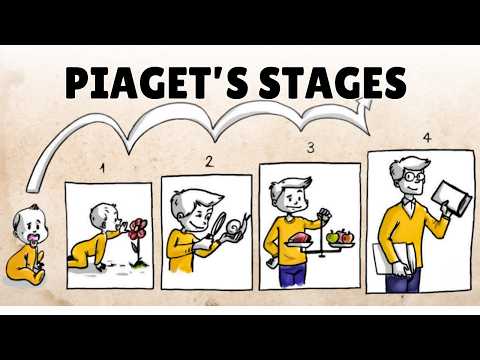
Piaget suggested that children progress through four main stages of cognitive development. Each stage has its own characteristics and ways of thinking. Let’s break those down:
- Sensorimotor Stage (0-2 years): This is where babies explore the world using their senses. Think about a baby grabbing a rattle or putting everything in their mouth. They’re learning through experience! At this stage, they also develop object permanence, which is realizing that things still exist even when they can’t see them anymore.
- Preoperational Stage (2-7 years): Here, kids start to use language and develop memory. But their thinking is still pretty egocentric—they view everything from their own perspective. For example, if you ask a young child about a tree, they might only tell you what it looks like from where they’re standing.
- Concrete Operational Stage (7-11 years): This stage is all about logical thinking! Kids can understand concrete ideas but may struggle with abstract concepts. So, if you ask them why ice melts, they can give you a great answer based on what they’ve seen but might not grasp more complex ideas like climate change yet.
- Formal Operational Stage (12 years and up): Now we’re talking abstract thought! Teens can think logically about hypothetical situations and use deductive reasoning—the whole kit and caboodle! It’s like all those math problems where you need to think ahead or analyze what could happen.
Piaget believed these stages are universal—every kid goes through them, though not necessarily at the same speed. Also, he thought that children actively construct their understanding by interacting with the world around them.
Let me tell you a quick story here: imagine little Timmy playing with blocks. At first, he just stacks them however he feels like—this would be that sensorimotor stage in action. As he grows, he starts to notice patterns in his stacking; maybe he realizes taller towers are more stable than shorter ones—that’s him moving into the concrete operational phase!
So basically, understanding Piaget’s theory helps us recognize how kids learn differently at various ages. It sheds light on why your five-year-old sees things so differently from your ten-year-old.
But keep in mind that while Piaget’s framework was groundbreaking back in the day, today’s psychologists often build on his work or challenge some parts of it as well because each child’s development can be influenced by so many different factors — culture, environment, and individual experiences all play huge roles too.
When we grasp these stages of cognitive development, it helps us not only understand our own growth but also aids in nurturing children’s learning paths effectively!
Understanding the Conclusion of Piaget’s Theory: Key Insights and Implications
Understanding Piaget’s theory is like taking a trip through the stages of a child’s mind. Jean Piaget, a Swiss psychologist, believed that children think differently than adults and that they grow through specific stages. So, what are the key insights and implications of his theory? Let’s break it down.
Stages of Cognitive Development
Piaget identified four main stages of cognitive development:
- Sensorimotor Stage (0-2 years): Kids learn through their senses and actions. They explore the world mostly by touching and tasting things.
- Preoperational Stage (2-7 years): During this stage, kids start using language and symbols but struggle with logic. It’s like they think everyone sees the world as they do.
- Concrete Operational Stage (7-11 years): Here, children begin to think logically about concrete events. They can understand concepts like conservation—knowing that pouring water from one container to another doesn’t change the amount.
- Formal Operational Stage (12 years and up): This is when abstract thinking kicks in. Teens can solve hypothetical problems and think about possibilities.
Each stage builds on the previous one, kind of like leveling up in a game. You don’t just skip ahead; you have to earn your way through understanding.
Key Insights
One major takeaway is that children are not just mini-adults—they actively construct their own understanding of the world. It’s fascinating how they figure things out! For example, imagine a toddler trying to fit blocks into a shape sorter. They might try every block first before realizing only specific shapes fit into certain holes. This hands-on exploration helps them develop problem-solving skills.
Another insight is that children go through these stages at their own pace. Some might zoom through while others take their time, which is totally normal! It shows how unique every child’s journey truly is.
Implications for Education
Understanding Piaget’s theory can really change how we approach teaching kids. If you know where they are in their cognitive development, you can tailor lessons to fit their thinking style better.
For instance, if you’re working with preschoolers who are still in the preoperational stage, using visuals and stories makes sense because they respond better to things they can see or imagine rather than complex verbal instructions.
You’d also want to make sure not to overwhelm them with abstract concepts too soon—like teaching algebra before they’ve mastered basic addition!
The Bigger Picture
The implications go beyond classrooms too! When parents grasp how their kids think at different ages, it can improve communication and relationships within the family structure. For example, knowing that toddlers often have trouble sharing because they don’t yet grasp others’ perspectives can help parents navigate tantrums with more empathy.
In essence, Piaget’s theory teaches us about patience and observation—watching how children interact with their surroundings tells us so much about where they’re at cognitively.
So there you have it! Understanding Piaget’s conclusions helps illuminate not just child psychology but also everyday interactions with our little ones as they grow up—from those clumsy sensorimotor moments to those intense debates about hypothetical situations in adolescence. It’s all part of an amazing journey!
Understanding Piaget’s Theory of Cognitive Development: A Comprehensive Guide for A-Level Psychology Students
Piaget’s Theory of Cognitive Development is a big deal in child psychology. It’s like trying to decode how kids think and learn at different ages. Basically, Piaget believed that kids are not just mini adults; they see the world differently. His theory breaks down into four stages, each with its own unique way of processing information.
1. Sensorimotor Stage (Birth to 2 years)
During this stage, infants learn through their senses and actions. They explore the world by touching things, looking at them, and putting them in their mouths! This is when they develop what’s called object permanence, which is the understanding that objects still exist even when they can’t be seen. Imagine a baby playing with a toy then someone hides it under a blanket. Until they realize it’s still there, they might think it’s gone forever!
2. Preoperational Stage (2 to 7 years)
At this point, children start using language and think symbolically, but their reasoning isn’t quite logical yet. They’re super imaginative! Ever seen a kid talking to their stuffed animal as if it’s real? Totally normal here! Their thinking is egocentric—meaning they struggle to see things from other people’s perspectives. For example, if you ask them what someone else might want for a birthday gift, they’ll probably just tell you what *they* want instead.
3. Concrete Operational Stage (7 to 11 years)
Now we’re getting into some serious learning! Kids begin to understand concrete concepts like time and space better. They can do basic math and understand the idea of conservation—like knowing that if you pour water from one glass into another shape of glass, the amount of water doesn’t change even if it looks different! They start thinking logically about concrete events but can still struggle with abstract ideas.
4. Formal Operational Stage (12 years and up)
Finally, in this last stage, kids can think abstractly and logically about hypothetical situations. This means they’re capable of more sophisticated thought processes like problem-solving and planning for the future. If you ask them about justice or freedom during this time, they’ll start forming opinions based on reasoning rather than just personal experience!
Piaget argued that these stages are universal; every child goes through them in the same order but not necessarily at the same age—it really depends on individual development.
Understanding Piaget’s theory helps us see why teaching methods should cater to these cognitive stages. For instance, younger children would benefit from hands-on activities while older ones can handle more discussions around complex topics.
His work changed how we look at learning processes in children forever! And even today, educators use his principles when designing curricula or assessing children’s cognitive abilities.
So next time you watch a kid play or struggle with homework? Just remember—they’re navigating through their own unique developmental journey based on these fascinating stages laid out by Piaget!
So, when you think about how kids learn and grow, you can’t overlook Piaget’s Theory of Cognitive Growth. It’s one of those concepts that really clicks when you start to see the world through a child’s eyes. Like, have you ever watched a little kid try to figure out how a toy works? It’s pretty wild! They’re not just playing; they’re experimenting, making sense of everything around them.
Piaget broke down cognitive development into stages. He said there are four main ones: the sensorimotor stage, preoperational stage, concrete operational stage, and formal operational stage. Each one represents a different way kids perceive and interact with the world. For instance, in the sensorimotor stage—happening from birth to about 2 years old—babies learn through their senses and movement. Imagine watching your niece grab at her toy for the first time; she’s not just reaching out but also discovering cause and effect.
Then there’s the preoperational stage (ages 2 to 7), where imagination runs wild. Kids start using symbols and language but can be a bit egocentric—they think everyone sees the world the way they do. Ever had a conversation with a four-year-old? They might tell you all about their imaginary friend as if you should totally understand their unique universe!
As kids grow into the concrete operational stage (from 7 to about 11), they start thinking more logically but still struggle with abstract concepts. If they’re given two equal balls of dough then squished one flat, they might believe it has less mass just because it looks different—a classic Piaget moment! Finally, in the formal operational stage (around 12 years and up), teenagers are thinking abstractly and critically. Suddenly they can plan for future events or discuss hypothetical scenarios like champs!
It’s kinda cool how Piaget’s theory emphasizes that children aren’t just mini adults—they experience growth in structured ways that reflect how they interpret reality at various ages. Remember when your kid brother tried to logic his way through something complicated? He was probably wrestling with those cognitive leaps!
Thinking about Piaget really makes you appreciate how amazing those little minds are as they develop. Each stage brings new abilities and ways of understanding the world around them, all while we sometimes forget what that’s like after growing up ourselves! It’s like unlocking levels in a video game; each new level brings fresh challenges but also greater understanding. So next time you’re around kids trying to navigate life’s complexities, realize they’re on this wild journey of self-discovery—and we have so much we can learn from them too!