You know how life sometimes just feels overwhelming? Like you’re racing against the clock, juggling a million things at once? Yeah, we’ve all been there.
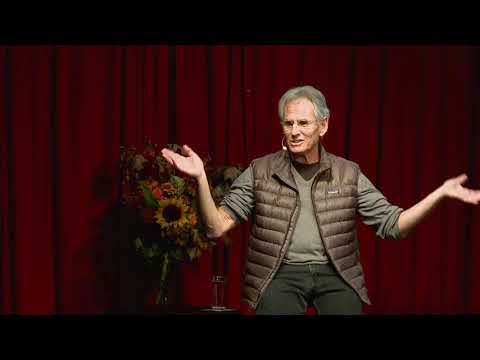
Well, that’s where Jon Kabat-Zinn comes in. He’s like this cool uncle of mindfulness who teaches us to slow down and actually pay attention. His approach isn’t about chanting or weird rituals. It’s super practical and rooted in everyday life.
Imagine being able to notice your thoughts without getting lost in them—like watching clouds drift by instead of chasing them. Sounds nice, right?
In this chat about mindful awareness, we’ll explore how Kabat-Zinn’s ideas can change your perspective on stress and make you feel more grounded. Stick around; it might just open a door to a calmer you!
Exploring Jon Kabat-Zinn’s Mindfulness Theory: Principles and Practices for Enhanced Well-Being
Jon Kabat-Zinn’s approach to mindfulness really shakes things up in the world of psychology. He’s the guy who brought mindfulness into mainstream medicine back in the late 1970s, and his work focuses on paying attention to the present moment without judgment. So, what does that even mean?
Mindfulness is essentially about being fully aware of what’s happening right here and right now. You know those moments when you zone out while doing something simple? Mindfulness teaches you to tune back in and notice your thoughts, feelings, and sensations. It’s like hitting pause on life for a bit.
Kabat-Zinn came up with an eight-week program called Mindfulness-Based Stress Reduction (MBSR). This program combines meditation and yoga, aiming to help people cope with stress, pain, and illness. Participants learn techniques that guide them toward greater awareness.
Here are some key principles of his approach:
- Non-judgment: The idea is to observe your thoughts without labeling them good or bad. Instead of freaking out over anxiety or sadness, you just notice it as part of your experience.
- Awareness: This means tuning into your body and mind. For example, next time you’re eating, try to really focus on the flavors and textures instead of scrolling through your phone.
- Acceptance: Accepting things as they are can feel tough but is crucial for reducing stress. It’s all about acknowledging where you are in life instead of fighting against it.
- Patience: Change doesn’t happen overnight. Being patient with yourself allows growth at its own pace.
You might be wondering how this actually plays out in real life. Think about a stressful day at work—emails piling up and deadlines creeping closer. Instead of spiraling into panic mode, Kabat-Zinn would suggest taking a few deep breaths first. Feel your feet on the ground, notice the temperature around you—just be present with everything going on inside and outside.
Another cool practice he introduced is the **body scan** meditation, which helps people connect with their physical sensations from head to toe. Lying down comfortably and focusing on each part of your body can seriously bring awareness to areas where tension hides out.
But here’s the thing: practicing mindfulness isn’t just about relaxation; it can change how we interact with others too! Think about how much more patient you’d be during a disagreement if you took a moment to breathe before responding.
Kabat-Zinn emphasizes that mindfulness is like a muscle—the more you use it, the stronger it gets! So even if it feels silly or hard at first, sticking with those practices can lead to significant benefits over time.
In essence, incorporating these principles into daily life can enhance well-being significantly by reducing stress levels and improving emotional regulation—like getting better at catching those feelings before they spiral outta control! It’s all about learning how to surf those waves instead of getting knocked off by them.
So next time you’re feeling overwhelmed by life’s demands or just stuck in thought loops, remember Kabat-Zinn’s teachings! They offer a way to step back from all that noise and truly appreciate each moment as it unfolds.
Exploring Jon Kabat-Zinn’s 7 Essential Attitudes of Mindfulness for Enhanced Well-Being
Mindfulness has gained a lot of traction, especially through the work of Jon Kabat-Zinn. He’s like the rock star of mindfulness in psychology! His approach focuses on how we can enhance our well-being by cultivating certain attitudes. Let’s explore **Kabat-Zinn’s 7 Essential Attitudes of Mindfulness**. They’re pretty relatable and can be life-changing when you stick with them.
1. Non-judging
This is all about observing your thoughts and feelings without labeling them as good or bad. Imagine you’re stuck in traffic and start to feel angry. Instead of saying, «I shouldn’t be feeling this way,» just notice the anger. Acknowledge it as part of your experience. It’s like letting a wave roll by instead of trying to fight it.
2. Patience
Patience isn’t always easy, right? But practicing patience means understanding that things unfold in their own time. Think about waiting for something you really want, like a promotion or a new relationship—embracing that wait instead of stressing over it can bring peace.
3. Beginner’s Mind
This attitude encourages you to approach situations with curiosity and openness, like a child seeing something for the first time. When you try a new recipe, for instance, instead of worrying about how it’ll turn out, just enjoy the process! You might discover something totally unexpected.
4. Trust
Kabat-Zinn emphasizes trusting yourself and your intuition. Sometimes we second-guess our decisions or feelings. Learning to trust yourself means recognizing that your experiences are valid, even if they seem confusing at times.
5. Non-striving
This one can throw us off because we often equate effort with achievement—like how we hustle at work or constantly set goals for ourselves. But non-striving is about being present without needing to achieve anything specific in that moment; let go of that «to-do» list in your head while enjoying your morning coffee!
6. Acceptance
Acceptance doesn’t mean resignation; it’s more about acknowledging what is happening without resistance. Let’s say you’re feeling anxious about an upcoming event; instead of fighting those nerves, try accepting them as part of the process—this helps ease their grip on you.
7. Letting Go
Finally, letting go is releasing attachments to outcomes or past experiences that weigh us down—kind of like decluttering your mind! For example, if you’ve had a disagreement with someone close to you, holding onto that anger only burdens you further; choose to let it dissolve instead.
All these attitudes are interconnected—they’re not standalone concepts but work together to create a fuller experience of mindfulness! When practiced regularly, they can seriously enhance your well-being by giving you tools to navigate life more smoothly and joyfully.
So next time you’re feeling stressed or overwhelmed? Try bringing one (or several) of these attitudes into play—it might just make all the difference!
Exploring Jon Kabat-Zinn’s 9 Essential Qualities of Mindfulness
Mindfulness has been all the rage for a while, but what exactly does it mean? Jon Kabat-Zinn, the guy who popularized mindfulness in the West, has this neat framework of 9 essential qualities that really digs into what mindfulness is all about. So let’s break these down.
1. Non-judging: This quality encourages you to observe your thoughts and feelings without labeling them as good or bad. Imagine you’re sitting in silence and your mind wanders to that awkward moment from last week. Instead of critiquing yourself for it, you just let it be. It’s like watching clouds drift by – no judgment, just observation.
2. Patience: Mindfulness isn’t a race; it’s more like a slow stroll through a beautiful park. Patience helps you accept that things unfold in their own time. Remember when you were waiting for something exciting, like getting a new game or book? The countdown felt endless, but eventually, you got there!
3. Beginners’ mind: This one’s all about seeing things as if for the first time. It’s like when you walked into a favorite café after many months and noticed little details you’d missed before. Reconnecting with that freshness can bring joy to everyday experiences.
4. Trust: Trust yourself and your feelings – they’re there for a reason! Picture this: you’re at an event feeling uneasy about chatting with new people instead of pushing through the discomfort; it’s totally okay to trust that feeling and take a step back if needed.
5. Non-striving: It’s not about achieving some grand goal every second; it’s more about being present right now without trying too hard to change anything. Think of those lazy Sundays where lying on the couch feels just perfect—no drive to accomplish much!
6. Acceptance: Accepting your thoughts and emotions as they come is crucial too! This doesn’t mean you have to love everything about them, but recognizing they exist can make a huge difference when you’re feeling overwhelmed.
7. Letting go: Sometimes we cling tightly to ideas or experiences—good or bad—but letting go can lighten the load on your shoulders! Like releasing that grudge against someone from years ago; once it’s gone, wow—it feels freeing!
8. Gratitude: Practicing gratitude means noticing what’s good around you—like enjoying the simple pleasure of coffee on a chilly morning or appreciating friends who make life better with their goofy antics.
9. Generosity: Last but not least is generosity towards yourself and others! Kindness can ripple outward in surprising ways—like complimenting someone can brighten their day and yours too!
Incorporating these qualities can transform how you experience life day by day—it brings clarity and depth to what often feels chaotic! It’s not just about sitting quietly; it’s about interacting with life mindfully and authentically—and honestly? That’s pretty powerful stuff!
Mindful awareness is one of those concepts that can really shift how you experience life, you know? Jon Kabat-Zinn, the dude who brought mindfulness into the mainstream in the West, really nailed it when he said that mindfulness is about paying attention on purpose, in the present moment, and without judgment. It sounds simple but trust me, it’s a whole world of practice and a bit of a game changer.
I remember a time when I was just overwhelmed with everything—work, relationships, you name it. I felt like I was caught in this whirlwind of thoughts and worries. A friend suggested trying mindfulness meditation. At first, I was skeptical. Like, how could sitting still actually help me deal with my racing mind? But after a few tries, I realized it wasn’t about stopping my thoughts altogether; it was more about becoming aware of them without letting them control me.
What happens is that when you start observing your thoughts and feelings without diving deep into them or judging them as good or bad, life gets a little clearer. You start to notice things–the sound of birds chirping outside or the taste of your morning coffee—in ways you might have missed before. It’s not all sunshine and rainbows though; sitting with your thoughts can be uncomfortable sometimes. But that’s part of being human, right?
Kabat-Zinn’s approach brings some science into this mix too. He talks about how stress can affect our health and well-being and shows how mindfulness can act like a buffer against stressors in life. Research backs this up! Studies found folks practicing mindfulness report lower levels of anxiety and depression. And who wouldn’t want some more peace in their lives?
But here’s the kicker: it requires practice—like any new skill dooes! It’s easy to get caught up in everything happening around us and forget to just breathe for a moment. His techniques encourage us to take breaks throughout the day to check in with ourselves. Just pausing for five seconds to focus on your breath can make a huge difference.
So yeah, incorporating mindful awareness into our daily routines might just help us navigate this chaotic world with a bit more grace. It’s all about being present—not lost in our thoughts or anxieties but right here, right now. There’s something pretty powerful about acknowledging where we are emotionally without trying to force things to be different immediately.
In short? Mindful awareness isn’t just another buzzword; it’s an invitation to show up for ourselves fully—even if it’s tough sometimes!