Hey, have you ever caught yourself thinking you’re not enough? Yeah, that pit in your stomach when you feel like everyone else has it figured out? We’ve all been there at some point.
Low self-esteem can creep in quietly and mess with how you see yourself. It’s that nagging voice telling you you’re not good enough, smart enough, or just plain worthy. Honestly, it sucks.
But here’s the thing: spotting those signs early can really help. You know what I mean? If you can recognize what’s going on in your head, then you can start to take back control.
So let’s break down those symptoms together. Because sometimes just naming what you’re feeling can be the first step toward feeling a bit better. Sound cool?
Identifying Symptoms of Low Self-Esteem in Adults: Key Signs and Insights
Identifying low self-esteem in adults can feel like searching for a needle in a haystack. It’s sneaky. Sometimes it creeps in without you even realizing it. So, how can you spot those symptoms? Let’s break it down.
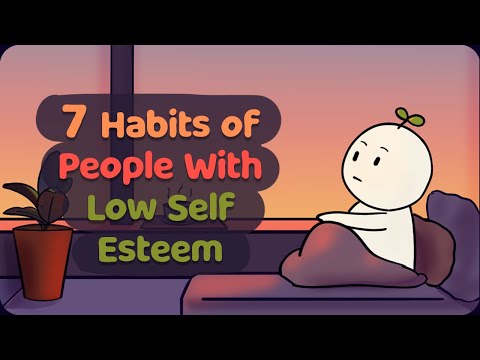
1. Negative Self-Talk
You know that voice inside your head that keeps telling you you’re not good enough? That’s often the first sign of low self-esteem. When you catch yourself saying things like, “I can’t do this,” or “I’m a failure,” well, that’s a red flag. It can really drag you down!
2. Comparison to Others
It’s so easy to fall into the trap of comparing yourself to others, right? If you find yourself constantly measuring your worth against your friends or famous personalities, that might indicate low self-esteem. You might think, “Why can’t I be as successful?” This kind of thinking can lead to feelings of inadequacy.
3. Difficulty Accepting Compliments
When someone gives you a compliment and all you can do is shrug it off or say, “Thanks, but…” it shows how deeply ingrained those negative feelings are. If praise makes you uncomfortable instead of happy, that’s another hint about your self-worth.
4. Avoidance of Challenges
Does the thought of trying something new make your stomach turn? People with low self-esteem often avoid challenges because they’re scared they won’t succeed. You might pass on opportunities for growth simply because you’re worried about failing.
5. Over-apologizing
If you’re constantly saying sorry—even when it’s unnecessary—it signals that you might not value your own presence or opinions much. «Oh, I’m sorry for being late,» even if it’s just a minute! That habit shows you’re hyper-aware of how others perceive you.
6. Seeking Approval from Others
Do you find yourself going out of your way to please others? If you’re always looking for validation from friends or colleagues before making decisions, that’s a classic sign of low self-esteem. It means you’re relying on others’ opinions to feel good about yourself.
7. Fear of Rejection
Sometimes, just the thought of rejection can paralyze someone with low self-esteem. You might avoid social situations or decline invitations because you’re worried about what others will think—like they’ll judge you harshly no matter what.
Recognizing these signs is an important step toward understanding and improving how you feel about yourself! It’s definitely not easy; emotions are complex and don’t always follow clear paths! But by becoming aware of these symptoms in ourselves—or our loved ones—we open the door to better mental well-being and healthier relationships!
It’s totally okay to ask for help if those feelings become overwhelming! Just know that many people struggle with similar issues; reaching out is often one brave step towards building back up that confidence and sense of worth!
Examining the Impact of Antidepressants on Low Self-Esteem: Benefits and Considerations
When you think about low self-esteem, what often comes to mind? It’s that feeling of not being good enough, right? Maybe it’s second-guessing yourself or feeling awkward in social situations. The truth is, it’s pretty common and can really affect how you see yourself and interact with the world around you.
Now, let’s talk about antidepressants. These medications can be a game-changer for many people struggling with depression and anxiety. But how do they fit into the picture when it comes to low self-esteem?
Benefits of Antidepressants
1. Improved Mood: One of the immediate benefits is an uplift in mood. If you’re feeling down all the time, it’s hard to believe you have any value. Once your mood improves, your outlook might change too.
2. Increased Motivation: Remember those days when getting out of bed felt like climbing a mountain? Antidepressants can help restore energy levels. With more motivation, people often find themselves engaging in activities they enjoy or used to enjoy.
3. Better Focus: With a clearer mind, it’s easier to work on personal goals or even just handle daily tasks without feeling overwhelmed.
4. Social Interactions: Feeling less anxious can open doors to reconnecting with friends or meeting new people. You might be amazed at how much better your interactions get when the weight of low self-esteem isn’t dragging you down.
But here’s where things get tricky.
Considerations
1. Sidenotes on Expectations: Antidepressants aren’t a magic fix! They usually take a bit of time before you notice changes—sometimes weeks! And while they help lift your mood, they don’t directly “fix” low self-esteem.
2. Potential Side Effects: There are some common side effects like weight gain or nausea which can sometimes make someone feel worse about themselves initially.
3. Coping Skills: Medications often work best alongside therapy! Learning coping methods is crucial because pills alone might not address underlying issues related to self-worth.
4. Tapering Off: If someone decides to stop taking antidepressants, there could be a rollercoaster effect on mood and feelings of self-worth during withdrawal phases.
5. Cultural Factors: Our surroundings play a big role too! The stigma around mental health still exists in many places, which may affect how someone feels about seeking help or using medication as part of their journey toward better self-esteem.
So basically, while antidepressants can positively impact someone struggling with low self-esteem by lifting mood and improving motivation, it’s important not to rely solely on them without considering other methods like therapy and lifestyle changes too!
Being aware of these facts can help anyone navigate their journey through low self-esteem more effectively. After all, every small step counts towards understanding yourself better and building that confidence over time!
Identifying the Physical Signs of Low Self-Esteem: A Comprehensive Guide
Identifying the Physical Signs of Low Self-Esteem can be pretty revealing. You know, sometimes people think self-esteem is just about how you feel inside, but it shows up in our body language, posture, and even our health. Let’s break this down a bit.
When someone has low self-esteem, their body might do some telling things without them even realizing it. Here are a few signs to look out for:
- Poor Posture: This one’s huge. If you notice yourself slouching or avoiding eye contact, that could be a clear indicator of how you feel about yourself. Like when I caught my friend leaning away from conversation during a group hangout; she seemed so uncomfortable in her own skin.
- Avoidance Behavior: Do you find yourself dodging social situations? Maybe you skip parties or gatherings because deep down, you’re worried about not fitting in. Trust me; I’ve been there! It’s like hiding away from life instead of embracing it.
- Constantly feeling on edge or having tight muscles is common when self-esteem is low. Remember that time I woke up with a stiff neck? It turned out I was stressed about something trivial—just overthinking everything.
- Repetitive Body Language: This can include fidgeting, biting nails, or playing with your hair when nervous. These actions often pop up when someone feels insecure or unsure of themselves.
- Mood Swings: A sudden change in mood can manifest physically too. You might notice changes in your energy levels or even a lack of motivation to engage in activities you usually enjoy.
Now, like I said before, those signs might seem subtle at first glance but they really paint a picture of your internal world—or someone else’s if you’re looking out for them.
It’s also interesting to note how low self-esteem can affect your physical health over time. People may neglect their well-being by skipping workouts or eating poorly as they don’t believe they deserve good care.
So if you catch yourself nodding along to these signs or seeing them in someone close to you—don’t panic! Just realize that these indicators are helpful snapshots of where we might need to work on ourselves.
Overall, acknowledging these signs can be the first step towards making some positive changes—whatever those might look like for each person. Empowerment starts with awareness!
Low self-esteem can really sneak up on you, and honestly, it affects way more people than you might think. It’s like that shadow that follows you around but isn’t always easy to spot until it’s too late. You might have a buddy who seems confident on the outside but is struggling inside, or maybe you’ve felt it yourself—either way, recognizing the signs is super important.
So, like, what does low self-esteem look like? Well, one common symptom is constant self-criticism. You know those days when you just can’t get out of your own head? Maybe you bomb a presentation at work and, instead of shaking it off, you’re replaying every little mistake in your mind. «Why did I say that? I’m such an idiot!» Sound familiar? That inner voice can be pretty brutal.
Then there’s this tendency to compare yourself to others. Ever scroll through social media and feel like everyone else has their life together while you’re just… there? It’s easy to forget that people usually only share their highlight reels. This comparison can leave you feeling inadequate and even more trapped in this cycle of negative thoughts.
Speaking of cycles, another sign might be feeling overly sensitive to criticism. Like, when someone gives constructive feedback and it feels like a gut punch instead of helpful advice? That’s your low self-esteem kicking in again. It’s tough because feedback is meant to help us grow, not make us feel worse about ourselves.
Now let me share a quick story. A friend of mine once told me about struggling with her weight after college—she was going through a breakup and felt pretty down about herself. Whenever her friends invited her out or tried to compliment her looks, she would shrug it off or make jokes at her own expense. She thought she was laughing it off but deep down she felt miserable every time they brought it up. It took some time for her to realize that she was hiding behind humor because facing those feelings head-on was just too hard.
And then there’s avoidance behavior—that’s when people might shy away from challenges or new experiences because they fear they’ll mess up or be judged. So instead of trying something new or going for that promotion at work, they play it safe just to avoid potential failure.
Ultimately, recognizing these symptoms isn’t about labeling someone as having low self-esteem; it’s more about understanding where they are coming from so we can support them—or ourselves—in healthy ways. Sometimes just knowing the signs helps bring awareness into our lives; it’s the first step toward making things better! And who doesn’t want that?